
Background on Key Players and Relevance
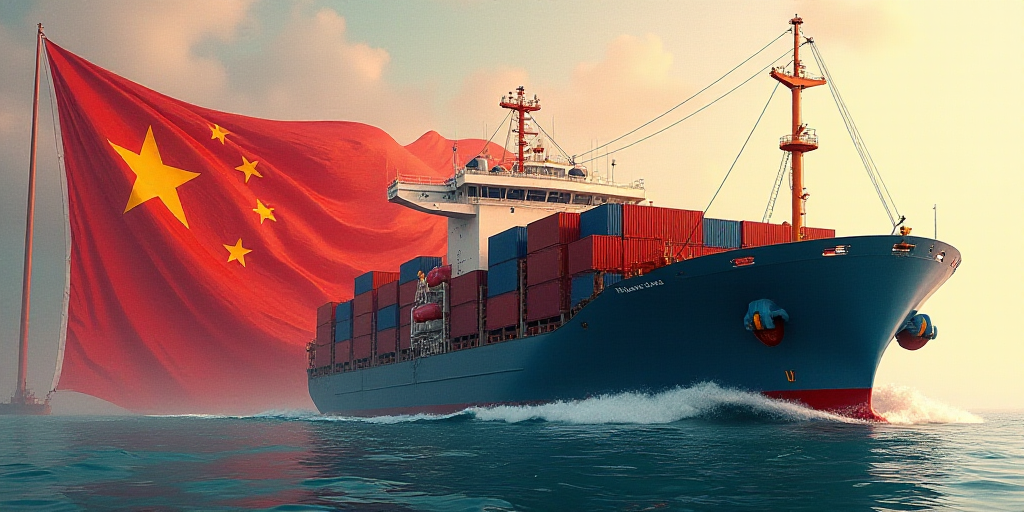
Small importers supplying major U.S. retailers like Walmart, Amazon, and Target are rushing to receive strollers and other items manufactured in China for the northern spring season. They are storing this merchandise in their own warehouses to avoid hefty tariff bills announced for the upcoming month.
These importers anticipated having to face 100% tariffs threatened by then-U.S. President Donald Trump against China, starting November 1st. However, the U.S.-China talks on the sidelines of the ASEAN Summit in Kuala Lumpur eliminated the prospect of these tariffs.
Actions Taken by Importers
- Increased Purchasing: Importers have ordered 20% to 25% more strollers than usual for their crucial spring 2026 season, according to Leslie Stiba, CEO of high-end stroller manufacturer Austlen Baby Co.
- Inventory Build-Up: Stiba has 50% more inventory than before Trump’s trade war began, despite new expenses halting hiring.
- Anticipatory Imports: Ahead of the tariff uncertainty, importers have been rushing to make shipments from China for months. This led to increased shipping costs and port activity.
Diverse Responses Among Importers
Some Chinese suppliers adopted a more relaxed approach, integrating tariff-related uncertainty into their business plans.
- Unconcerned Stance: A southern Chinese toy manufacturer, who wished to remain anonymous, stated, “Whether or not the tariffs increase significantly on November 1st, it doesn’t matter. People might be making some advance purchases assuming a three-month extension window, but there wasn’t enough time to expedite orders and meet the November 1st deadline even if you wanted to.”
Government Officials’ Statements
- U.S. Treasury Secretary Scott Bessen: He predicted on Sunday that the tariff truce with China would extend beyond the November 10th deadline.
- Chinese Export Manager Deng Jinling: Before the Sunday announcement, she told Reuters that her shipments continued normally and she wasn’t worried about new tariffs. “There’s no rush,” she said, noting that most merchandise had already been shipped.
Impact on Spring 2026 Merchandise
Typically, spring 2026 merchandise—ranging from warm-weather clothing to Easter basket items—arrives in the U.S. by year’s end, with maximum volumes just before the Chinese Lunar New Year during northern winter.
Noel Hacegaba, Operations Chief at the second-busiest U.S. port, Long Beach, said, “Until there’s a clear path forward or resolution (to the trade war), we can expect more advance purchases, which has translated into a tsunami of cargo so far this year.”
Mitigating Risks
Retailers are making more orders from domestic supplier warehouses instead of picking them directly from China, as executives from toy companies Hasbro and Mattel have reported. This strategy helps mitigate tariff risks and control inventory pacing on shelves as shoppers adjust budgets.
- Hey Buddy Hey Pal: This holiday toy manufacturer, which imports Easter egg decoration kits from China, has 50% of its spring products ready for shipment from a Dallas warehouse, said Curtis Gill, co-founder of the company.
- Balsam Hill: This artificial Christmas tree and seasonal decor supplier recently decided to proceed with spring orders for flower crowns they had been postponing, according to CEO Mac Harman.
Key Questions and Answers
- What are the reasons behind these rushed orders?: Small U.S. importers are advancing spring 2026 orders to avoid anticipated tariffs announced for the upcoming month.
- Who are the major retailers involved?: Major U.S. retailers like Walmart, Amazon, and Target are supplied by these small importers.
- How have Chinese suppliers responded?: Some Chinese suppliers adopted a more relaxed approach, integrating tariff-related uncertainty into their business plans.
- What is the typical timeline for spring merchandise arrival?: Spring 2026 merchandise usually arrives in the U.S. by year’s end, with maximum volumes just before the Chinese Lunar New Year.
- How are retailers mitigating tariff risks?: Retailers are making more orders from domestic supplier warehouses instead of picking them directly from China.




