
Background on Donald Trump and His Trade Policies
Donald Trump served as the 45th President of the United States from January 20, 2017, to January 20, 2021. Known for his business background and reality TV fame, Trump brought a unique approach to politics. One of his key focuses was renegotiating trade deals and adjusting tariffs to protect American industries and jobs. His administration often emphasized the importance of fair trade practices, aiming to address what they perceived as unfair trade imbalances with various countries.
Trump’s Initial Tariff Implementation
On April 2, 2018, Trump signed an executive order that significantly altered U.S. trade policy by imposing a minimum tariff of 10%. This move was justified as necessary to counter what the administration deemed an “unusual and extraordinary threat” to U.S. national security and economy due to the trade deficit. Additional tariffs were then applied based on country and product.
Impact of Tariffs on Inflation
The U.S. Treasury began collecting substantial monthly revenues from these tariffs; however, inflation also increased concurrently due to these customs duties. As a result, the cost of living became a significant concern for Americans, appearing prominently in public opinion polls.
Trump’s Recent Tariff Reduction
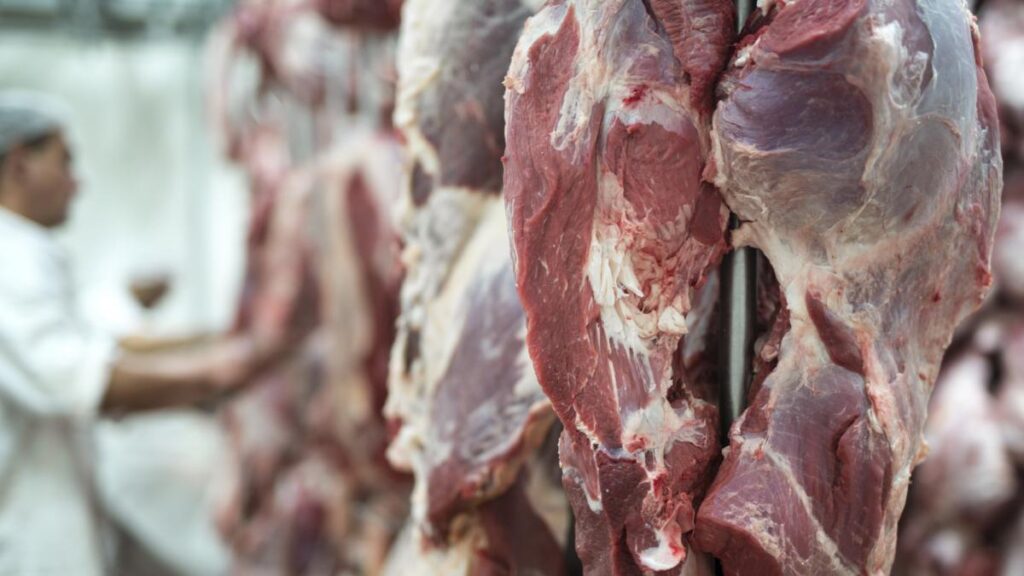
On September 5, Trump conducted a preliminary review and decided to reduce tariffs on certain agricultural imports, including beef, tomatoes, bananas, and coffee. This decision was driven by the current domestic demand for these products and the U.S.’s capacity to produce them internally.
Targeted Countries and Products
The U.S. announced tariff agreements with Argentina, Ecuador, El Salvador, and Guatemala—all significant producers of essential commodities like coffee, beef, and fruit. These countries are crucial suppliers of raw materials vital for the U.S. agricultural and food industries.
Key Questions and Answers
- Who is Donald Trump, and why is he relevant in this context? Donald Trump served as the U.S. President from 2017 to 2021. His administration focused on trade policy adjustments, including tariffs, to protect American industries and jobs.
- What prompted Trump to initially impose tariffs? Trump’s administration implemented a 10% minimum tariff to address the perceived threat of an unfavorable trade balance, which they considered a risk to U.S. national security and economy.
- How did tariffs affect inflation and living costs? While tariffs generated revenue for the U.S. Treasury, they also contributed to increased inflation, raising concerns about the rising cost of living among Americans.
- Which countries and products are targeted by the recent tariff reduction? The tariff reduction primarily affects agricultural imports from Argentina, Ecuador, El Salvador, and Guatemala, including beef, coffee, and various fruits.




