
Background on the Agreement and Its Importance
The United States has extended a tariff exemption agreement with over 30 African countries until December 31, 2026. This move was announced by the United States Trade Representative (USTR), Jamieson Greer, on Tuesday.
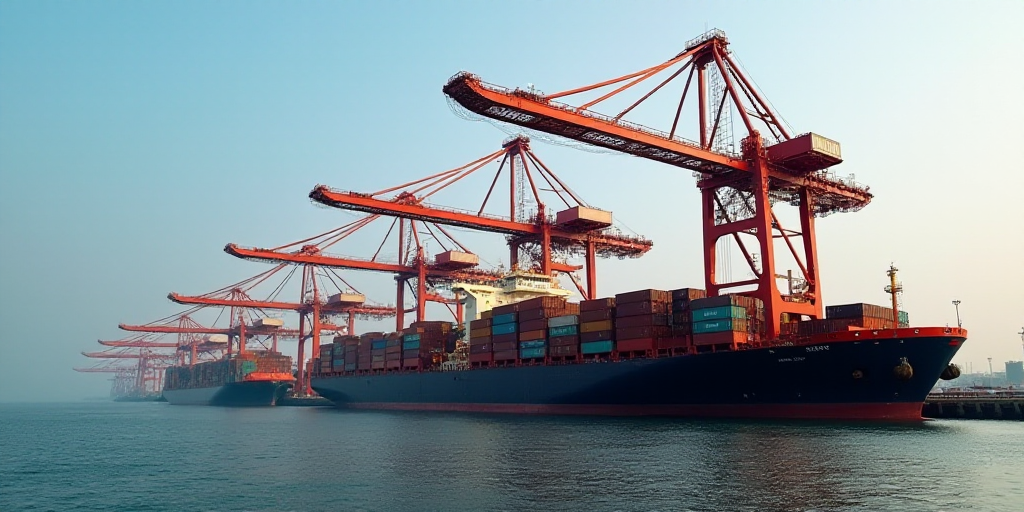
The African Growth and Opportunity Act (AGOA), enacted in 2000 under President Bill Clinton’s administration, facilitates and regulates trade between the US and Africa. This legislation allows numerous African products to enter the American market without tariffs.
Key Details of the Relaunched Agreement
The relaunched agreement, which took effect retroactively from September 30, 2025, ensures that African products continue to enjoy duty-free access to the US market. This extension is crucial for fostering economic development and trade relations between the US and African nations.
Who is Jamieson Greer and Why is This Relevant?
Jamieson Greer serves as the United States Trade Representative (USTR), a key position in the Department of State responsible for developing and coordinating US trade policy. As USTR, Greer plays a significant role in shaping the bilateral and multilateral trade relationships of the United States, including those with African countries.
Greer’s announcement of the extended tariff exemption agreement highlights the US commitment to supporting economic growth and trade in Africa. This move also underscores the importance of maintaining strong commercial ties with African nations, which can lead to mutual benefits and shared prosperity.
Impact on African Countries and Their Economies
The tariff exemption agreement has a substantial impact on African countries by providing them with preferential market access to the United States. This access encourages exports, promotes economic development, and creates job opportunities within these nations.
- Increased exports: African countries can export more goods to the US without tariffs, boosting their export revenues.
- Economic growth: The agreement supports the expansion of various sectors, such as agriculture, manufacturing, and services, contributing to overall economic growth.
- Job creation: As industries grow and exports increase, more job opportunities become available for the local population.
Key Questions and Answers
- What is the African Growth and Opportunity Act (AGOA)?
AGOA is a US trade legislation enacted in 2000 that aims to facilitate and regulate trade between the United States and Africa. It provides duty-free access to the US market for eligible African products.
- Who is Jamieson Greer, and what is his role?
Jamieson Greer is the United States Trade Representative (USTR), responsible for developing and coordinating US trade policy. He plays a crucial role in shaping the country’s bilateral and multilateral trade relationships, including those with African nations.
- What is the significance of extending the tariff exemption agreement?
Extending the tariff exemption agreement ensures that African products continue to enjoy duty-free access to the US market, fostering economic development and strengthening trade relations between the US and African countries.




