
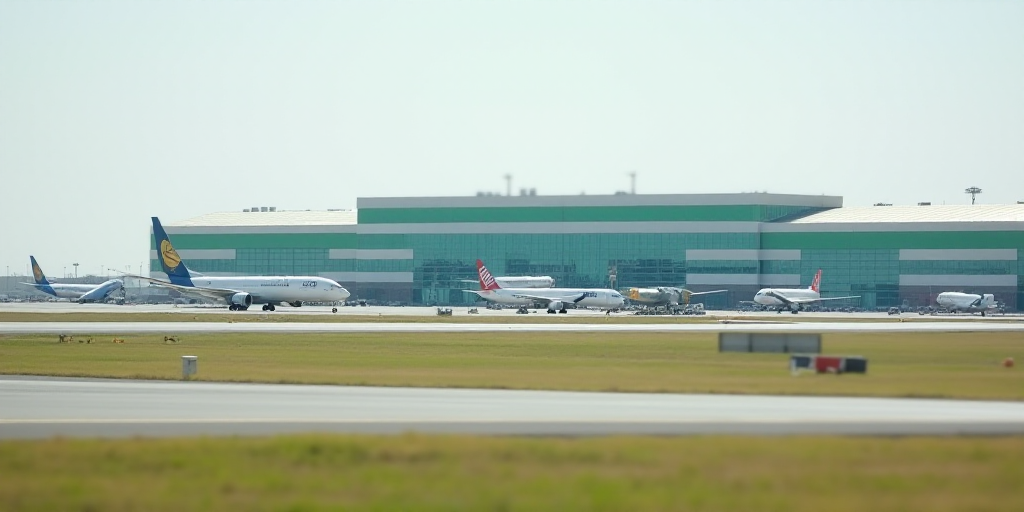
Introduction to the Merger
In a surprising December announcement, low-cost airlines Viva and Volaris revealed their plan to form a Mexican airline group under a controlling society structure, led by Roberto Alcántara, President of Viva’s Board of Directors. The agreement aims to boost investment, employment, air connectivity with a low-cost model, tourism, and economic development across Mexico.
Key Details of the Merger
- Merger Structure: Viva and Volaris shareholders will combine their controlling societies through an equal merger. Upon closing, Viva shareholders will receive newly issued shares from Volaris’ controlling company, while Volaris shareholders will retain their shares. Both groups will own 50% of the Mexican airline group on a fully diluted basis.
- Operational Continuity: Both airlines will maintain their current operations under independent operating certificates and distinct brands. This ensures existing route options for passengers remain unchanged.
- Website Launch: A joint website, anunciovivayvolaris.com, was created to provide details on the new group’s design, emphasizing blue as the primary color and the slogan “Más vuelos, menos costo” (More flights, less cost).
Benefits and Leadership
The merged airlines expect to benefit from economies of scale, including lower fleet ownership costs, better access to capital, and a stronger financial position. The collaboration will also enable them to address industry challenges and continue growing.
Volaris CEO Enrique Beltranena stated, “We believe this new airline group presents a significant long-term growth opportunity for low-cost air travel in Mexico, aligning with the low-fare, point-to-point approach that has transformed the aviation industry over the past two decades.”
Addressing Industry Challenges
Recent supply chain disruptions and issues with equipment and engine manufacturers have significantly impacted ultra-low-cost and smaller airlines’ operational costs. By forming this group, Volaris and Viva aim to leverage economies of scale for sustainable growth, fleet optimization, and reduced fleet ownership costs.
The merged airlines plan to expand their low-cost, high-quality service offerings, making air travel more accessible to a broader range of passengers and expanding market reach to stimulate demand.
Impact on Employees
Regarding employee benefits, the merger aims to improve job stability. Both companies will maintain their operating certificates, and daily operations will continue normally, with employees competing as before.
“For each new aircraft introduced, typically 55 to 60 direct jobs are created, and an estimated four times more indirect jobs are generated in adjacent sectors while new operational bases open potential relocation opportunities for current employees and future job offers,” the announcement explained.
Key Questions and Answers
- What is the merger structure? Viva and Volaris shareholders will combine their controlling societies through an equal merger, with Viva shareholders receiving newly issued shares from Volaris’ controlling company.
- How will the merger affect current operations? Both airlines will maintain their current operations under independent operating certificates and distinct brands.
- Who will lead the new airline group? Roberto Alcántara, President of Viva’s Board of Directors, will lead the new Mexican airline group.
- What benefits will employees see from the merger? The merger aims to improve job stability, with new aircraft introductions creating direct and indirect employment opportunities.




