
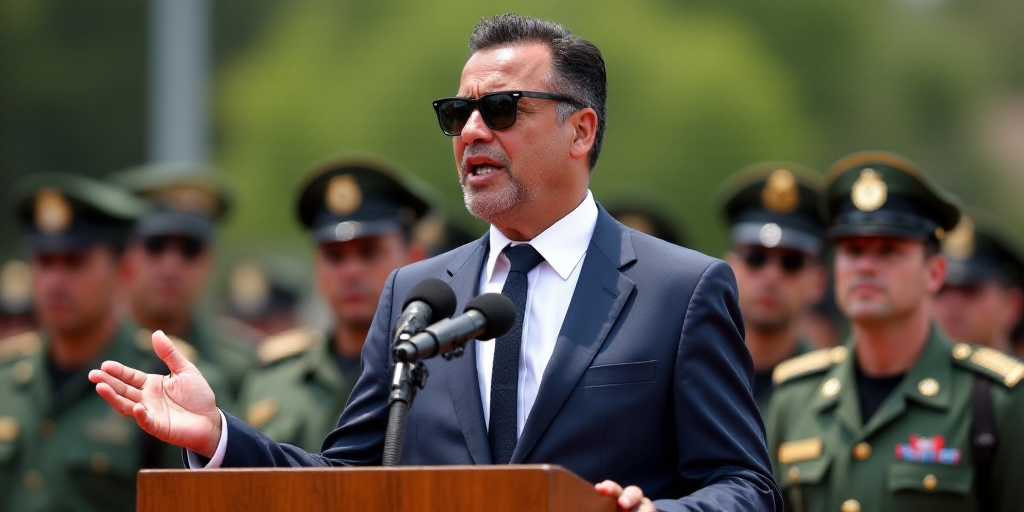
Background on President Gustavo Petro
Gustavo Petro, the current President of Colombia, took office in August 2022. A former guerrilla member turned senator, Petro is known for his progressive policies and advocacy for social equality. His presidency has been marked by efforts to address fiscal challenges and reduce the country’s debt.
Fiscal Challenges and Previous Attempts at Tax Reform
Colombia faces significant fiscal challenges, with a projected deficit of 6.2% of the GDP for 2023, according to recent government estimates. In an attempt to tackle these issues, President Petro proposed a tax reform bill that aimed to generate 16.3 billion Colombian pesos for the national budget. However, this legislation was rejected by congressional economic committees.
Petro’s Announcement of Upcoming Tax Reform
Despite the setback, President Petro announced on his X account that he will push for a tax reform targeting the “megawealthy” in Colombia. The proposed reform aims to raise additional income through higher taxes for the affluent, which Petro claims will stabilize the economy and benefit the people, production, labor, and social equity.
Government’s Stance on Tax Reform
The Colombian government insists that a tax reform is the most suitable mechanism to address fiscal challenges and ensure financial resources. Petro emphasized that without the proposed tax reform, the fiscal deficit would rise to 7.5% of the GDP by 2026, potentially exacerbating social inequality if not targeted at the wealthy.
Economic Context and Recent Developments
Although Colombia grapples with fiscal difficulties, the government reported positive economic growth, increased employment opportunities, and a favorable tax revenue response. Petro highlighted that the primary economic indicator is job creation, as it is the sole source of wealth generation.
Ministry of Finance’s Fiscal Projections
The Colombian Ministry of Finance recently released updated fiscal projections, estimating a deficit of 6.2% of the GDP for 2023. This projection aligns with estimates provided by the Committee for Fiscal Rule (Carf) at the end of November. Furthermore, Carf projected that Colombia’s net debt would be close to the fiscal anchor, at 57.3% of the GDP—a decrease of 4.1 percentage points from initial estimates.
Carf’s Assessment of Fiscal Performance
According to Carf, Colombia’s fiscal performance has been the lowest since 1998. The adjusted primary balance, considering economic cycles, is projected to be deficit-ridden at -2.9% of the GDP for 2025, surpassing the -2.7% recorded at the end of the 1990s.
Key Questions and Answers
- What is the main fiscal challenge facing Colombia? The primary fiscal challenge is managing a projected deficit of 6.2% of the GDP for 2023, which necessitates effective mechanisms to ensure financial stability.
- What is President Petro’s proposed tax reform? Petro aims to implement a tax reform targeting the wealthy, introducing higher taxes for the affluent to generate additional income and stabilize the economy.
- Why is tax reform crucial for Colombia? Without tax reform, the fiscal deficit could rise to 7.5% of the GDP by 2026, potentially worsening social inequality if not directed at the wealthy.
- What are recent economic developments in Colombia? Despite fiscal challenges, Colombia has experienced positive economic growth, increased employment opportunities, and a favorable tax revenue response.
- What are the latest fiscal projections from the Colombian government? The government projects a deficit of 6.2% of the GDP for 2023, with net debt estimated at 57.3% of the GDP—a decrease from initial estimates.




