
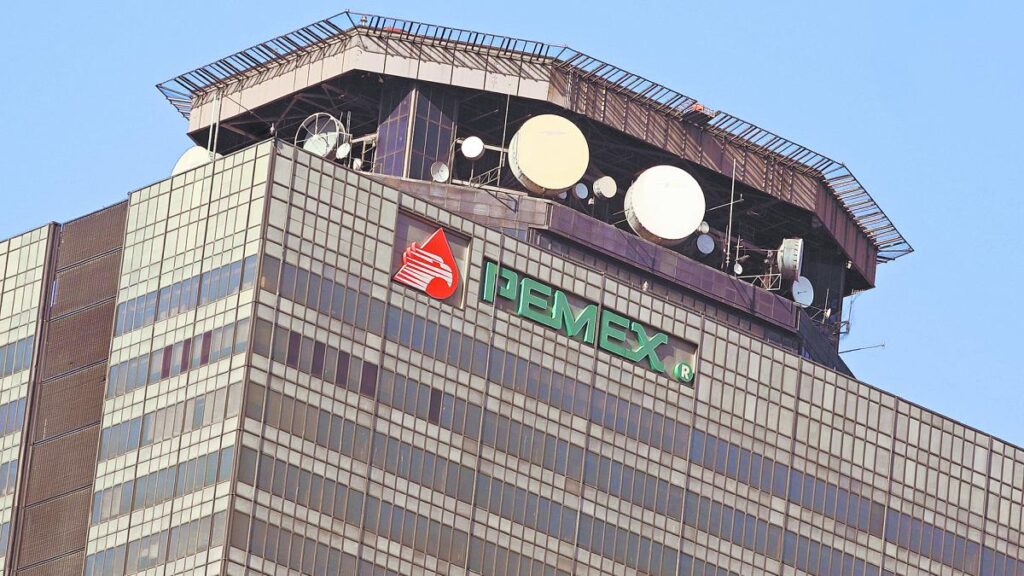
Background on Pemex and its Financial Challenges
Petróleos Mexicanos (Pemex) is one of the most indebted oil companies globally. The Mexican government, through the Secretaría de Energía (Sener), has been providing financial support to strengthen Pemex’s financial situation. This assistance aims to help Pemex become self-sufficient by 2027, as outlined in its strategic plan.
Government Support and Overspending
According to the Secretaría de Hacienda y Crédito Público (SHCP), Sener was the government department that exceeded its approved budget by the most in the third quarter of the year. This overspending is primarily due to financial aid given to Pemex.
In the first nine months of 2025, Sener spent 382.73 billion pesos, an increase of 113.7% compared to the same period in the previous year. Moreover, Sener spent 244.85 billion pesos more than the approved budget.
This year, a 136 billion pesos budget line was approved for the federal government to transfer resources to Pemex via Sener. The aim is to assist Pemex with its financial situation before implementing the strategic plan, which expects Pemex to become self-sufficient by 2027.
Although 119.9 billion pesos had been transferred to Pemex by August, in September, the Secretaría de Hacienda announced the repurchase of Pemex’s debt worth 253.8 billion pesos. These actions, along with financial transfers in September, totaled 380.6 billion pesos in support for Pemex.
Lack of Reflected Improvement
The Instituto Mexicano para la Competitividad (IMCO) analyzed the situation and noted that despite the financial support and debt repurchase, Pemex’s results still do not reflect this aid.
IMCO pointed out that key indicators such as financial debt and obligations to contractors and suppliers have not improved. In fact, Pemex’s investment amounted to 182.4 billion pesos by the third quarter, a 39.8% decrease from the previous year.
On the other hand, Pemex’s short-term obligations to suppliers and contractors increased by 28.4% compared to the same period last year, totaling 517.1 billion pesos.
IMCO emphasized that the Investment Financing Program 2025, supported by a 250 billion pesos fund from Banobras, aims to reduce supplier debt and finance investment projects for 2025. However, debt repayment to suppliers reduces available resources for new production projects, crucial for reversing Pemex’s declining trend.
By the end of September, Pemex’s financial debt stood at 100.3 billion USD (approximately 1.8 trillion pesos).
Future Support for Pemex
For the upcoming year, more substantial support is expected for Pemex. The Presupuesto de Egresos de la Federación (PEF) 2026 has approved a budget line that doubles the resources provided this year.
In total, the federal government will transfer 263.5 billion pesos to Pemex through Sener, an 86% increase compared to this year’s approved budget. These funds will be used for market debt amortization and bank loans taken in previous years.
The support is conditional on Pemex improving its financial balance by the same margin, ensuring that operations do not affect the public deficit since debt reduction is recorded as a decrease in liabilities rather than budgetary expenditure.
This budget line, counted as income for Pemex, will be available for the third consecutive year before Pemex becomes self-sufficient, as per the strategic plan presented earlier.
Key Questions and Answers
- What is Pemex, and why is it important? Petróleos Mexicanos (Pemex) is Mexico’s state-owned oil company, crucial for the nation’s energy security and economic stability.
- Why is the Mexican government supporting Pemex financially? The government aims to strengthen Pemex’s financial situation and help it become self-sufficient by 2027, as outlined in its strategic plan.
- How much has the government spent on Pemex’s support so far? By the third quarter of 2025, the government spent 380.6 billion pesos on Pemex’s support through Sener.
- Why aren’t Pemex’s results reflecting the financial aid? Despite the support, key indicators like financial debt and obligations to contractors and suppliers have not improved. Pemex’s investments have decreased, while short-term obligations have increased.
- What are the future plans for Pemex’s financial support? The government will transfer 263.5 billion pesos to Pemex in 2026 through Sener, doubling the current year’s support. This will be used for debt amortization and bank loans.




