
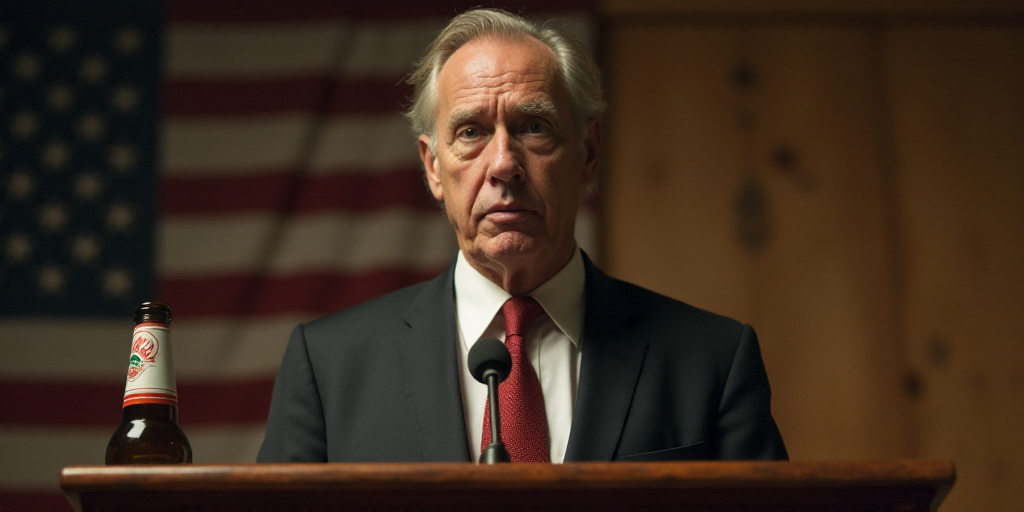
Background on Scott Bessent and His Role
Scott Bessent serves as the Secretary of the Treasury in the United States, a position that places him at the helm of the nation’s financial policy and international economic affairs. As a key figure in the U.S. government, Bessent’s statements carry significant weight and influence financial markets and public perception.
Loss of Public Trust in the Federal Reserve
During a hearing by the House Financial Services Committee, Bessent stated that the Federal Reserve’s independence hinges on public trust. He asserted that this trust eroded when the central bank allowed inflation to spiral out of control, thereby “devastating” the incomes of ordinary Americans.
Bessent’s Stance on Presidential Involvement
When questioned about whether President Donald Trump has the right to publicly voice his opinions on Federal Reserve monetary policy decisions, Bessent affirmed that he, along with any other citizen such as Senator Elizabeth Warren, has the freedom to express their views. However, he maintained that the Federal Reserve should operate independently and without undue political influence.
Support for a Strong Dollar Policy
Bessent reiterated his ongoing support for a robust U.S. dollar policy and acknowledged the Federal Reserve’s independence as an agency. He refrained from commenting on whether the President possesses constitutional authority to dismiss Fed officials due to policy disagreements.
Maintaining Credibility and Avoiding Criticism
Bessent emphasized the importance of the Federal Reserve upholding its credibility and operating beyond reproach during his testimony before the House Financial Services Committee.
Optimistic View on Foreign Investment
Bessent also presented an optimistic outlook on foreign investment flowing into the United States. He highlighted substantial inflows of foreign capital directed towards U.S. Treasury bonds and a massive surge in investments in U.S. equities. Furthermore, he noted that the country is experiencing significant Foreign Direct Investment as international capital seeks opportunities within U.S. markets.
Warning Against Excessive Regulation
Bessent cautioned that excessive regulation could lead to economic stagnation during his prepared remarks at the same committee hearing. He criticized regulators for reacting to crises instead of anticipating them and expressed concern that focusing on perceived financial risks related to climate change might not directly contribute to the security and soundness of the financial system.
Balancing Risk and Regulation
Bessent urged federal agencies to avoid creating a zero-risk financial system when calibrating regulations. He emphasized the need to strike a balance between managing risks and avoiding overregulation that could hinder economic growth.
Key Questions and Answers
- Q: Can President Trump publicly criticize Federal Reserve decisions?
A: Yes, President Trump, like any other citizen including Senator Elizabeth Warren, has the right to express his opinions on Federal Reserve monetary policy decisions. - Q: What is Bessent’s stance on a strong U.S. dollar policy?
A: Bessent supports a robust U.S. dollar policy and acknowledges the Federal Reserve’s independence as an agency. - Q: How should the Federal Reserve operate according to Bessent?
A: The Federal Reserve should maintain its credibility and operate beyond any criticism, as stated by Bessent during his testimony. - Q: What is Bessent’s view on foreign investment in the U.S.?
A: Bessent presented an optimistic outlook on foreign investment flowing into the United States, noting substantial inflows of capital directed towards U.S. Treasury bonds and a massive surge in investments in U.S. equities. - Q: Does excessive regulation pose a risk to the economy, according to Bessent?
A: Yes, Bessent warned that excessive regulation could lead to economic stagnation and urged federal agencies to avoid creating a zero-risk financial system when calibrating regulations.




