
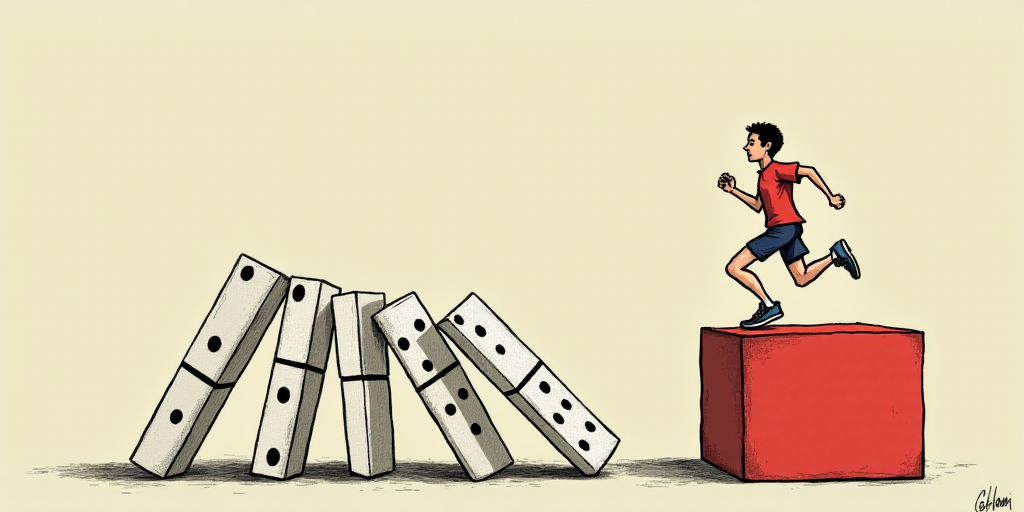
The Pitfalls of Excessive Kindness in Leadership
While fostering a workplace culture based on empathy and support is beneficial for a positive work environment, excessive kindness can hinder productivity and innovation. A study across multiple organizations revealed that many leaders limit their team’s efficiency by being overly kind, causing them to avoid difficult conversations or take unnecessary risks, according to Ron Ashkenas, coauthor of the Harvard Business Review’s Leader’s Manual, and Gali Cooks, CEO and executive director of Leading Edge.
Why Excessive Kindness in Leadership?
Navigating uncomfortable situations within organizations is challenging, as humans generally strive to avoid hurting others. Post-pandemic, kindness has become a key leadership trait in response to emotional fatigue and shifts in work dynamics. It’s also linked to implementing AI in the workplace, leading many leaders to lean on human connection, empathy, and kindness to maintain team relationships.
However, experts emphasize that confusing kindness with avoiding tough decisions and conflicts is a mistake. In reality, being kind involves giving tough feedback or taking actions that help others grow professionally.
Tips for Balancing Kindness
Although fostering a positive and pleasant work relationship with colleagues is commendable, effective leaders stand out by combining kindness with responsibility, providing feedback, and making strategic decisions.
To enhance team performance, leaders should clearly communicate areas for improvement, offering sincere yet empathetic comments.
However, even highly empathetic managers struggle with giving feedback due to anxiety about the process. This often leads them to “sugarcoat” situations excessively, making the message unclear.
According to a Gallup study, around 1,500 managers and operational staff received feedback to improve their objectives, resulting in lower employee turnover and improved performance compared to those who didn’t receive such feedback.
Meanwhile, experts highlight that rejecting projects and saying “no” is a challenge for overly kind leaders. They recommend making decisions strategically rather than emotionally.
Example of Balancing Kindness and Decision-Making
Ron Ashkenas shares an example from his time working with a research and development director at a technology company. The director maintained numerous projects with little progress.
To address this, Ashkenas introduced three criteria for evaluating projects: (1) Was there a viable scientific path to the future? (2) Would success meet an unmet customer need? (3) Was the company at the forefront of competition, based on patent and market information?
Although there was initial concern about researchers’ displeasure at project rejection, the opposite occurred. Teams felt relieved.
Key Questions and Answers
- What are the consequences of excessive kindness in leadership? Excessive kindness can lead to avoiding difficult conversations, taking unnecessary risks, and hindering team members’ potential development.
- Why is balancing kindness important for leaders? Balanced leadership combines kindness with responsibility, feedback, and strategic decision-making to enhance team performance.
- How can leaders give constructive feedback without causing distress? Leaders should communicate areas for improvement sincerely yet empathetically, ensuring their feedback is clear and actionable.
- What strategies can leaders use to say “no” effectively? Leaders should make decisions strategically, not emotionally, and evaluate projects based on clear criteria rather than avoiding difficult decisions.




