
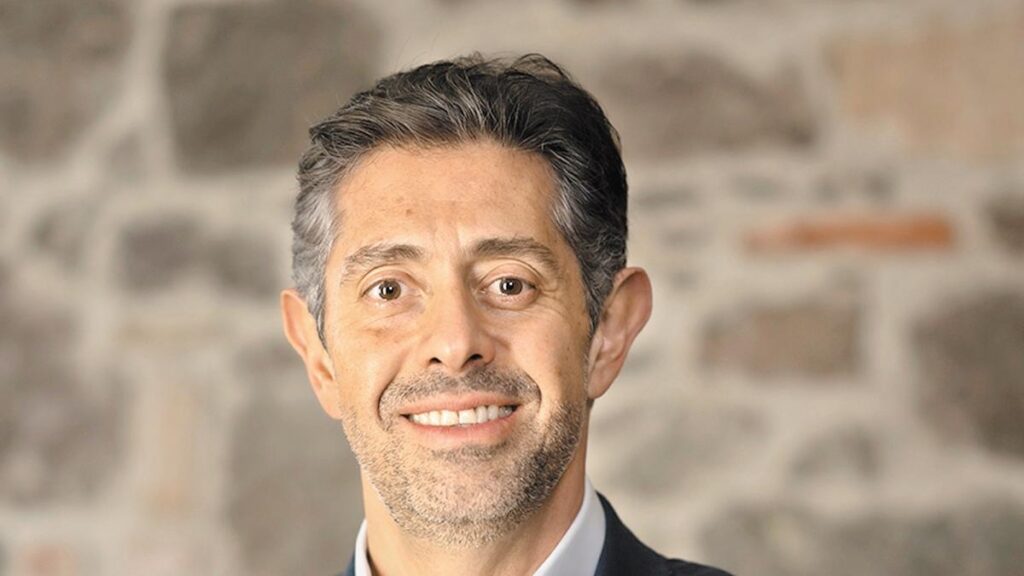
Background on Luis Armando Kuri and Afore Banamex
Luis Armando Kuri, the General Director of Afore Banamex, is a prominent figure in Mexico’s pension fund industry. Afore Banamex is one of the largest private pension fund administrators in Mexico, managing retirement savings for millions of workers. Kuri’s leadership and vision are crucial in shaping the future of Mexico’s pension system.
Recent Reforms and Areas for Improvement
In 2020, significant reforms were implemented to the Sistema de Ahorro para el Retiro (SAR), enhancing the replacement rate and modernizing the system. These reforms positively impacted workers’ pensions by broadening and diversifying long-term investment opportunities. However, according to Kuri, there is still room for further strengthening competition among Afores and refining the regulatory framework.
Key Reforms in 2020
- Gradual increase in mandatory contributions to Afores
- Reduction of fees charged to workers
- Lowering the number of weeks required for a minimum guaranteed pension
Ongoing Challenges and Opportunities
Kuri highlighted the aging population as a significant challenge, requiring innovation in investment models, risk management, and long-term planning. He sees this as both a challenge and an opportunity to build a more robust and adaptable pension system.
Afore Banamex’s Investment Strategy
Afore Banamex aims to strike a balance between security and growth, diversify investments, and create financial stability strategies for retirees. Currently, only 1% of their investment portfolio is allocated to infrastructure projects in Mexico, compared to the industry average of 12%. This strategic allocation is carefully evaluated by their ASG (Environmental, Social, and Governance) area to ensure positive social, environmental, and economic impact.
Infrastructure Investments
Afore Banamex invests in instruments such as CKDs (Certificados de Capital de Desarrollo) and infrastructure fideicomisos, which translate workers’ funds into projects that create jobs, improve connectivity, and modernize key sectors like energy and transportation.
Future Goals
Kuri emphasized their commitment to increasing participation in high-quality, controlled-risk infrastructure projects that provide tangible benefits for workers and the country. They aim to expand their exposure to top-tier infrastructure projects under a suitable regulatory framework, managing risks professionally and with a long-term perspective.
Promoting Financial Education
Kuri stressed the importance of fostering financial education through savings, encouraging voluntary contributions, and advocating for regulations that lead to higher and more sustainable pensions. He believes that a better pension starts with greater understanding of individual accounts, empowering affiliates to make informed retirement decisions.
Key Questions and Answers
- What recent reforms have been implemented in Mexico’s pension system? Significant reforms were made in 2020, enhancing the replacement rate and modernizing the Sistema de Ahorro para el Retiro (SAR) to broaden and diversify long-term investment opportunities.
- What challenges does the pension system face? The aging population presents significant challenges, requiring innovation in investment models, risk management, and long-term planning.
- How does Afore Banamex allocate its investment portfolio? Currently, only 1% of their portfolio is dedicated to infrastructure projects in Mexico, with a focus on socially and economically responsible investments.
- What is Afore Banamex’s vision for the future of the pension system? They aim to balance security and growth, diversify investments, and create financial stability strategies for retirees while expanding their exposure to high-quality infrastructure projects under a suitable regulatory framework.
- How does Afore Banamex promote financial education? By fostering financial literacy through savings, encouraging voluntary contributions, and advocating for regulations that lead to higher and more sustainable pensions.




