
Pension Reforms and Their Impact on Younger Generations
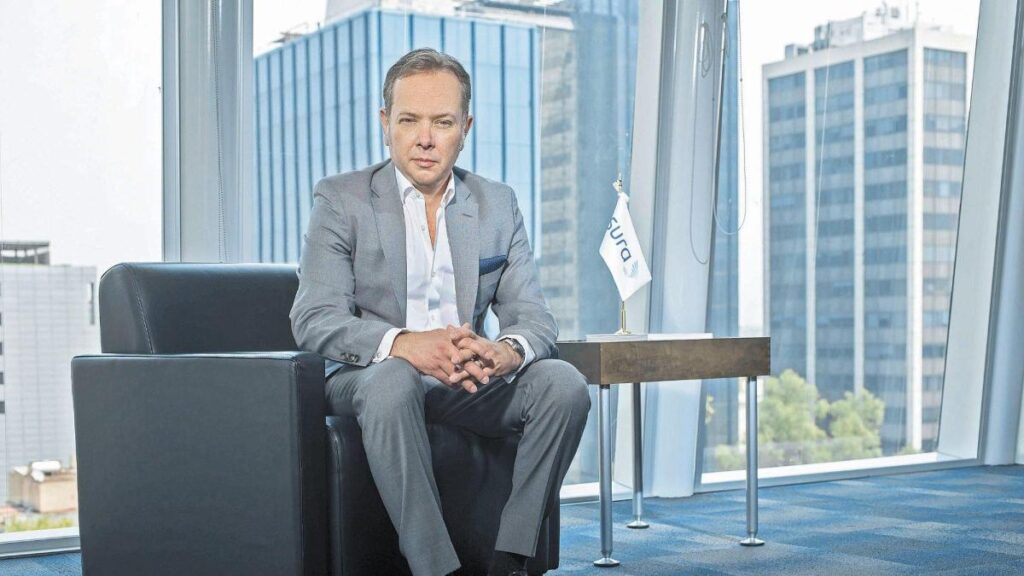
Emilio Bertrán, the General Director of Afore SURA, stated that pension reforms enacted during the previous administration are on the right track and will enable younger generations to retire with replacement rates close to 100%.
Background on Emilio Bertrán and His Relevance
Emilio Bertrán is a prominent figure in Mexico’s financial sector, particularly within the pension administration domain. As the General Director of Afore SURA, one of Mexico’s largest private pension fund administrators, Bertrán plays a crucial role in shaping the country’s pension landscape. His insights and opinions carry significant weight, making his statements on pension reforms highly relevant.
Key Pension Reforms of the Previous Administration
Bertrán highlighted that the most significant change during the previous administration was the 2020 reform of the Sistema de Ahorro para el Retiro (SAR). These reforms increased mandatory contributions to the Afores (private pension funds) progressively, raising them from 6.5% of workers’ salaries to 15% by 2031.
Impact of Increased Mandatory Contributions
With the increased mandatory contributions, Bertrán explained that younger generations will benefit significantly. A 15% contribution rate, one of the highest among OECD countries, will ensure pensions with excellent replacement rates nearing 100%.
The replacement rate refers to the percentage of a worker’s final salary received as a pension upon retirement.
Complementary Measures for a More Robust Pension System
Bertrán acknowledged that the benefits of increased mandatory contributions primarily aid younger generations who will contribute for most or all of their working lives with the 15% rate.
To address this, the Fondo de Pensiones para el Bienestar (FPB) was established in 2024. This complementary pension fund aims to provide a minimum pension for workers in the transition generation who earn less than average and contribute for shorter periods with higher contributions.
Furthermore, when combined with the Pensión Universal de los Adultos Mayores (PUM), these complementary actions will ensure that the transition generation also enjoys replacement rates close to 100%.
Remaining Challenges for Mexico’s Pension System
Bertrán identified two primary challenges facing Mexico’s pension system: high informal employment rates and the gender wage gap, both of which affect retirement savings for a significant portion of the population.
He emphasized that while government-provided social pensions are essential, they may not be sufficient for those in informal employment to achieve a dignified retirement. Bertrán stressed the need to address this issue proactively within the next 20 years.
Unrealized Infrastructure Investments through Plan México
Bertrán also discussed the potential for Afores to invest in infrastructure projects. He noted that although such investments are attractive, they should not be imposed on pension fund administrators but rather developed collaboratively by governments, project managers, and investors.
To date, the Plan México initiated by President Claudia Sheinbaum’s administration has not yet resulted in new infrastructure projects financed by Afores. Bertrán mentioned ongoing discussions with the Secretaría de Hacienda (Ministry of Finance) to facilitate future capital deployment.
Key Questions and Answers
- What are the pension reforms enacted during the previous administration? The 2020 reform of the Sistema de Ahorro para el Retiro (SAR) increased mandatory contributions to private pension funds (Afores) from 6.5% to 15% of workers’ salaries by 2031.
- How will these reforms benefit younger generations? With a 15% contribution rate, younger generations will receive pensions with excellent replacement rates nearing 100%, ensuring a more robust retirement system.
- What complementary measures have been implemented? The Fondo de Pensiones para el Bienestar (FPB) was established in 2024 to provide a minimum pension for transition-generation workers earning less than average. Combining FPB with the Pensión Universal de los Adultos Mayores (PUM) further strengthens retirement security.
- What challenges does Mexico’s pension system still face? High informal employment rates and the gender wage gap negatively impact retirement savings for a significant portion of the population, requiring proactive solutions.
- What is the status of infrastructure investments through Plan México? Although attractive, Afore investments in infrastructure projects have not yet materialized under Plan México. Ongoing discussions with the Secretaría de Hacienda aim to facilitate future capital deployment.




