
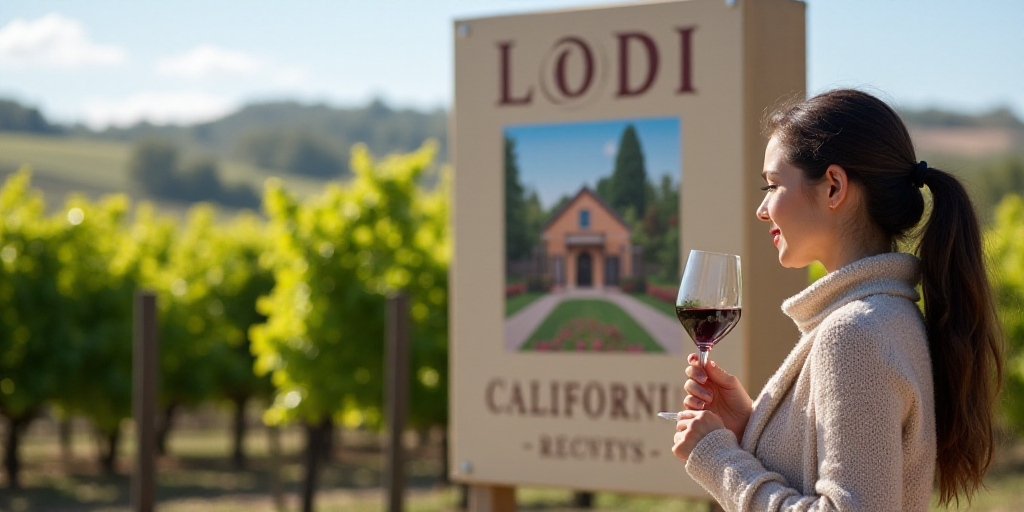
Background on Lodi, California’s Wine Region
Lodi, California, is renowned for its historic Zinfandel vineyards and production of nearly 130 grape varieties. For over a century, local viticulturists have supplied the aging wineries that give Lodi its fame. However, rising costs, declining demand, and competition from imported wines have forced many growers to abandon their vineyards.
The Impact on Local Viticulturists
Randy Baranek, a fourth-generation farmer, told AFP that in the past two years, thousands of acres of vineyards have been removed, nearly a quarter of Lodi’s total production. Baranek emphasizes that many viticulturists are operating at a loss.
- An acre yields between 8 and 10 tons of grapes, which can sell for no more than $3,000.
- However, the costs of cultivating an acre range from $3,000 to $4,500.
“We’re at the end,” Baranek said, amidst a Chardonnay vineyard overrun with weeds and grapes rotting on the vines.
Declining Grape Production in California
California’s grape production has systematically declined, reaching its lowest point in two decades in 2024 with 2.9 million tons harvested, according to Stuart Spencer, CEO of the Lodi Wine Grape Commission.
- Another reduction of 400,000 tons is expected this year.
Spencer attributes the phenomenon to supply and demand factors.
- Demand-side: Americans are drinking less alcohol and facing the impact of inflation.
- Supply-side: Larger California wineries are opting to import bulk wine at lower costs instead of purchasing local grapes due to federal tax incentives for wine importers and European subsidies that put California producers at a disadvantage.
“Very Concerned”
Matt Manna of Rancho Manna has experienced his most challenging year in two decades. Faced with the situation, viticulturists are considering diversification into products with higher demand and lower costs, like almonds.
- Replanting a vineyard is a costly endeavor, potentially costing tens of thousands of dollars.
- Switching to almond orchards, which are largely automated during harvest, could severely impact the region’s economy.
Kevin Phillips, whose family has been in the wine industry for generations, decided to transition to almonds due to available land and water resources in Lodi, crucial for thirsty almond trees.
- Phillips found that removing a vineyard and planting almonds is less expensive, requires less labor, and unlike grapes, almonds sell directly without needing to build relationships with wineries.
“With grapes, you have to build relationships with wineries, wait for things to work out… With almonds, there’s demand without needing to talk to anyone,” Phillips explained.
Despite the ease of switching to almonds, Phillips admits it feels bittersweet, as he is a wine man at heart.




