
The Lavaging Myth
In many Mexican kitchens, it’s believed that rice must be washed until the water is crystal clear. While rinsing does help remove excess starch, overdoing it doesn’t guarantee fluffy rice. The real determinants are the water-to-rice ratio, heat, and resting time.
The Nutrient Loss Myth
It’s said that washing rice leads to nutrient loss. While some water-soluble vitamins do disappear, the amount is minimal. The benefit of achieving looser, cleaner rice outweighs this small loss in practice.
The “Two to One” Myth
The rule of “two cups of water for one cup of rice” is a classic, but it doesn’t apply to all types. Each variety requires its own balance. For common white rice in Mexico, a ratio closer to 1.5:1 is usually sufficient.

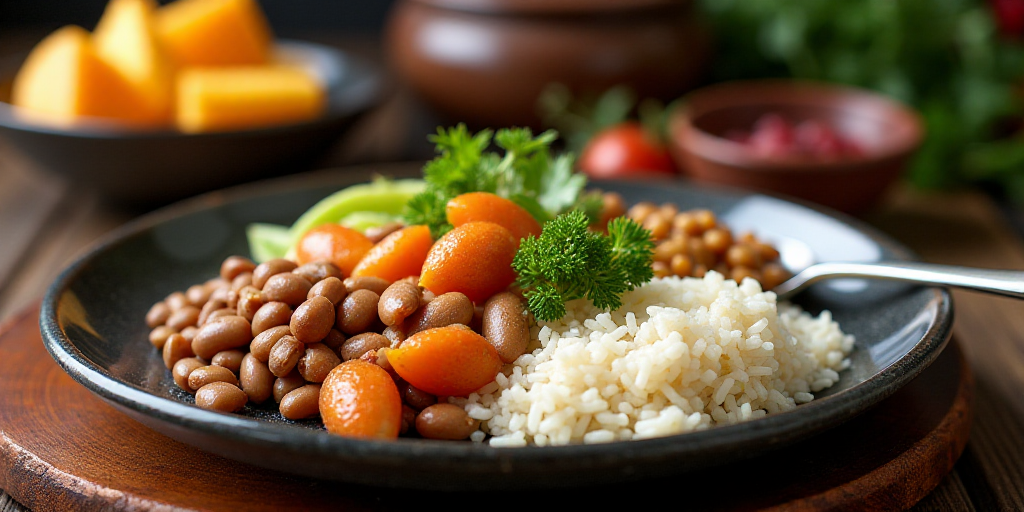
Perfectly cooked rice.
The Constant Movement Myth
Stirring rice while cooking doesn’t prevent sticking; instead, it releases starch and makes the rice mushy. The ideal approach is to leave it alone once it boils and keep it covered on low heat.
The Magic Lid Myth
Covering the pot and letting rice rest does help it cook through and absorb steam, but it doesn’t fix earlier mistakes. If there was too much heat or water initially, the outcome is already determined.
The Savior Oil Myth
Adding oil or butter at the beginning can give rice a shiny appearance, but it’s not the key to success. If the water-to-rice ratio is off or the heat is too high, the rice will stick regardless of the fat used.
The “More Water, Better” Myth
When rice turns out too firm, the immediate reaction is often to add more water. However, excess water causes the rice to become overcooked. The solution lies in controlling the heat and respecting cooking times, not in drowning it.

Rice
The “Can’t Do It at Home” Myth
Achieving fluffy rice doesn’t require special pots or secret techniques. It only takes careful measurement, an appropriate lid, and letting it rest for a few minutes before uncovering.
International Rice Day serves as a reminder that in Mexico, rice accompanies everything from mole to beans. Cooking it well is a matter of patience and observation. Debunking myths is the first step to enjoying perfect rice: loose, shiny, and with that inviting flavor.
Key Questions and Answers
- Q: Should rice be washed before cooking? A: Rinsing helps remove excess starch, but overdoing it doesn’t guarantee fluffy rice. The real determinants are the water-to-rice ratio, heat, and resting time.
- Q: Does washing rice lead to nutrient loss? A: While some water-soluble vitamins do disappear, the amount is minimal. The benefit of achieving looser, cleaner rice outweighs this small loss.
- Q: What’s the ideal water-to-rice ratio? A: The “two to one” rule doesn’t apply to all types. For common white rice in Mexico, a ratio closer to 1.5:1 is usually sufficient.
- Q: Should rice be stirred while cooking? A: Stirring doesn’t prevent sticking; instead, it releases starch and makes the rice mushy. Leave it alone once it boils and keep it covered on low heat.
- Q: Does covering the pot help cook rice better? A: Covering the pot and letting rice rest does help it cook through and absorb steam, but it doesn’t fix earlier mistakes.
- Q: Can oil or butter save overcooked rice? A: Adding oil or butter at the beginning can give rice a shiny appearance, but it’s not the key to success. If the water-to-rice ratio is off or the heat is too high, the rice will stick regardless of the fat used.
- Q: Is adding more water the solution for undercooked rice? A: Excess water causes the rice to become overcooked. The solution lies in controlling the heat and respecting cooking times, not in drowning it.
- Q: Is cooking perfect rice at home difficult? A: Achieving fluffy rice doesn’t require special pots or secret techniques. It only takes careful measurement, an appropriate lid, and letting it rest for a few minutes before uncovering.




