
A Historical Snack’s Modern Expansion
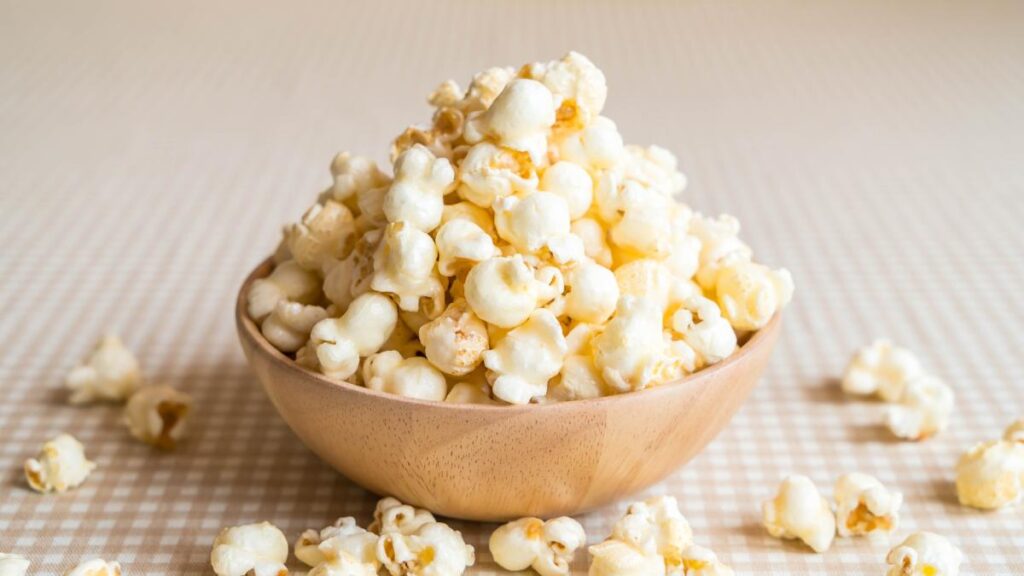
Every January 19th marks the International Popcorn Day, a date dedicated to one of the simplest yet most universal foods in the world. Long before they became synonymous with cinema or digital platforms, popcorn existed: archaeological evidence places its consumption over 5,000 years ago in Mesoamérica, where indigenous peoples discovered that certain corn varieties would burst when heated, turning them into a daily staple, ritual object, and cultural symbol.
Its modern expansion came centuries later. By the late 19th century, they were being sold at fairs and public spaces in the United States due to their low cost and ease of preparation. However, it was cinema—especially during the Great Depression—that turned them into a popular icon. They were affordable, filling, and didn’t require utensils. Since then, popcorn has transitioned from an ancient ritual to a global snack, now adapted to new flavors, formats, and consumption habits.
Popcorn’s Journey from Cinema to Home Entertainment
In Mexico, popcorn remains inseparable from the cinematic experience, but its consumption no longer confines to the big screen. Marathon viewings of series, sports finals, reality shows, and gaming nights have shifted the ritual to the living room. In 2025, over 550,000 popcorn orders were placed through home delivery services, representing nearly a 57% increase from the previous year.
Mexico City accounted for around 30% of national consumption, followed by Monterrey, Guadalajara, Puebla, Mexicali, and Ciudad Juárez. This data confirms that the snack has found a new “venue”: the home, driven by streaming and an increasingly diverse range of ready-to-eat foods accompanying entertainment.
Flavors, Timings, and Rituals of Cravings
Mexican taste sets the trend. Classic popcorn with butter still dominates, but flavors like jalapeño and cheese are gaining ground. For many consumers, the craving doesn’t come alone; nachos and hot dogs remain the most frequent accompaniments, mirroring traditional confectionery logic.
Consumption also has defined times. Sundays see the highest demand, and peak hours are between 7 and 8 PM, the historic entertainment family time slot. The day with the most orders in 2025 was Sunday, October 5th, marked by high media attention events, reinforcing the link between public agenda, audiovisual consumption, and food.
An Ancient Grain in a Growing Market
Behind the habit lies a broader economic chain. The popcorn corn, one of the most ancient grain varieties, is now part of a global market moving billions of dollars annually. Its success lies in a simple equation: accessible raw material, minimal transformation, and high symbolic value associated with leisure and relaxation.
In 2025, a single user even placed over 80 popcorn orders in a year, indicating that the product transitioned from occasional to integrated into weekly routines. As the year closes, aggregated market data, with DiDi Food as a sector reference, confirms that popcorn no longer depends on cinema to exist.
Key Questions and Answers
- What is International Popcorn Day? It’s a global celebration held annually on January 19th, honoring popcorn as one of the world’s simplest yet most universal foods.
- How has popcorn consumption evolved in Mexico? Popcorn, once exclusive to cinemas, now accompanies home entertainment like series, sports, and streaming. In 2025, over 550,000 popcorn orders were placed through home delivery services.
- What are the popular popcorn flavors in Mexico? Classic butter popcorn remains dominant, but jalapeño and cheese flavors are gaining popularity. Nachos and hot dogs often accompany these.
- When is popcorn consumption highest in Mexico? Sundays see the most demand, with peak hours between 7 and 8 PM during family entertainment time slots.
- What does the future hold for popcorn in Mexico? Popcorn has become a staple snack during home entertainment, reflecting changing consumption habits in Mexico.




