
The Evolution of Freshness in Japanese Cuisine
In the world of Japanese cuisine, freshness isn’t everything. A technique that’s revolutionizing sushi enjoyment globally is the aging or maturation of fish, a process that challenges the collective belief that “fresher is always better.”
This practice originated in Japan during the 19th century, linked to the Edomae style, which gave birth to modern sushi in Tokyo. Back then, fishermen and cooks needed conservation methods that extended the shelf life of their catch without compromising flavor. What started as a practical solution has now become a refined technique aiming to enhance the diner’s experience.
- Fatty fish species like salmon, tuna, or swordfish can stay in the refrigerator for 15 to 30 days.
- During this time, the meat doesn’t spoil; instead, it gains subtle flavors that might go unnoticed when fresh.
Today, this technique is trending in cities like Tokyo, New York, Barcelona, and Mexico City, where aged fish has become synonymous with high-end Japanese gastronomy.
Matsuba Polanco: A Hidden Gem in Mexico City
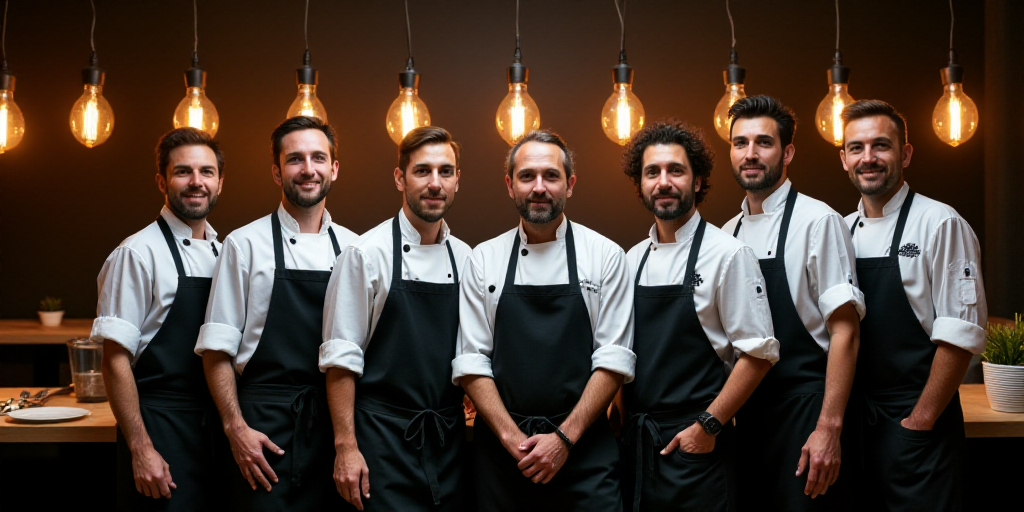
In Mexico, Matsuba Polanco is one of the leading advocates for this technique. Nestled discreetly on Calle Mollier, it takes diners on a deeply Japanese experience. Access is almost secretive: a discreet door leads to an intimate, dark-walled basement with only thirteen seats surrounding the bar. It’s here, under the chef’s watchful eye, that the magic happens.
Over 90% of the fish at Matsuba undergoes aging, which is reflected in their omakase menu. The surprise lies in its diversity and the intensity of each bite:
- Miso-marinated black cod, grilled over charcoal, balances the sweetness of fermentation with the intensity of smoking.
- Noroguro and salmon, aged for 18 days, have the perfect texture that melts effortlessly in your mouth.
- Ensenada tuna chutoro, aged for 30 days, encapsulates all the power of Omega 3, offering an unforgettable experience with its richness.
Each bite is paired with thoughtfully chosen accompaniments to highlight the fish’s profile: from Japanese junmai sake to Mexican wines, and craft beers that add an unexpected twist.
Gyotaku: The Art of Capturing Fish
What sets Matsuba apart even more is its commitment beyond the kitchen. Once a month, the bar transforms into an artistic stage through Gyotaku, a 19th-century Japanese technique of imprinting the silhouette of fish onto fabric or paper using ink. Originally used by fishermen to document catch size and species, it’s now recognized as an artistic expression connecting the sea with visual memory.
At Matsuba, artist Josiane Almeraya revives this tradition for guests to witness as they enjoy a specially curated menu: tuna tartares, seasonal tatakis, nigiris, and hot dishes celebrating the fusion of culture and gastronomy.
With only thirteen seats, each event becomes intimate and personalized, perfect for those seeking more than just a menu—a cultural and sensory immersion where flavors intertwine with art.
Key Questions and Answers
- What is Matsuba Polanco? It’s a unique sushi omakase restaurant in Mexico City where fish is aged using traditional Japanese techniques.
- Why age fish? Aging enhances the flavor profile of fish, allowing for a more complex taste experience compared to freshly caught fish.
- What makes Matsuba Polanco special? Besides its aged fish offerings, Matsuba also incorporates Gyotaku, an artistic tradition that adds a unique cultural dimension to the dining experience.




