
The Economic Power of Sweet Traditions
Mexico’s candy industry has proven its gastronomic and economic might, especially during October and early November when the traditions of Dia de Los Muertos (Day of the Dead) and Halloween intertwine. This period sees a surge in sales, with the market for confectionery reaching an impressive 68,000 million pesos in 2025, according to a market analysis by GBM Insight. The blend of these two distinct celebrations creates a unique, flavorful experience that captivates the nation.
A Sweet Season: Halloween and Dia de Los Muertos
The confectionery market witnessed a 50% increase in candy sales during October, particularly in supermarkets and convenience stores. This growth is driven by the demand for thematic and artisanal products, such as sugar skulls, chocolates, and gummy candies. This trend is not new but has been steadily growing in Mexico, mirroring the success of Halloween in the United States, which generated 7.4 billion dollars in candy sales in 2024, accounting for nearly 18% of the annual revenue for the sector.
Local Market Impact
In local markets, the rise in candy sales has been palpable. Sugar skull manufacturers reported record-breaking sales, while chocolaterias and pastelerias exhausted their specialty lines. Cafes capitalized on the trend by offering gourmet pan de muerto (bread of the dead) with various fillings and seasonal beverages like champurrado or cacao-based cocktails. This period has solidified its position as the second significant consumption wave of the year, following the Christmas season.
Cultural Significance of Seasonal Sweets
Beyond volume sales, Mexico’s seasonal candies are an integral part of the country’s gastronomic heritage. Sugar skulls, descendants of the alfeñique art form, symbolize the sweetness of memory. Pan de muerto, adorned with a cross of bones and infused with orange blossom aroma, serves as a symbol of reunion and ritual. Restaurants and bakeries creatively reinterpret these traditions, offering fillings like cream, dark chocolate, or mezcal, accompanied by seasonal beverages like café de olla or cocteles de cacao.
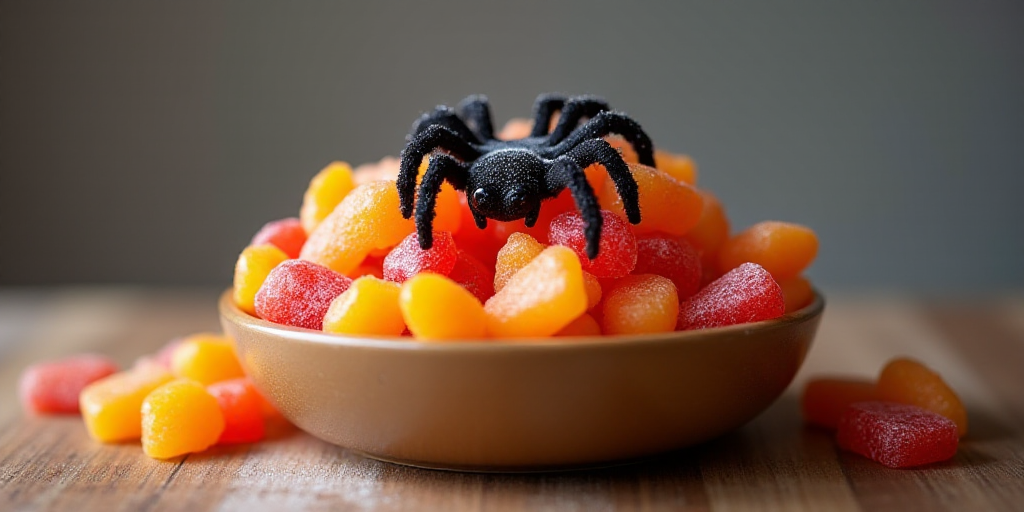
In contrast, the “Halloween” side fuels more playful and visually-driven consumption: gummy candies shaped like eyes, chocolates with pumpkins, and dyed black or orange cookies. National brands like Ricolino (now part of Mondelez International) capitalized on the moment with thematic packaging and limited-edition launches, blending emotional marketing with nostalgia.
The Candy Industry as an Economic Safe Haven
Amidst global uncertainty, the confectionery industry maintains its stability. Candies are considered an “affordable luxury”: small pleasures that endure even during crises. Companies like Mondelez, Hershey, and Ferrero set the pace for global consumption. Mondelez strengthened its presence in Mexico following the acquisition of Grupo Bimbo’s confectionery business for 1.3 billion dollars, integrating iconic local brands into its global portfolio.
Hershey, with over a century of history, sustains consistent growth through adaptability—from sugar-free chocolates to premium lines. Lindt & Sprüngli embodies the gourmet face of cacao in luxury markets. Behind these names lies an industry that not only sells sugar but also emotions and memories, continually reinventing itself to complement Mexico’s most significant gastronomic traditions.
Key Questions and Answers
- What is the size of Mexico’s confectionery market during the Dia de Los Muertos and Halloween season? The market reached 68,000 million pesos in 2025.
- How did candy sales perform during this period? Candy sales increased by 50% in October, with a notable rise in thematic and artisanal products.
- What makes Mexico’s seasonal candies culturally significant? These sweets are integral to Mexico’s gastronomic heritage, symbolizing memory and tradition.
- How has the confectionery industry maintained stability amid global uncertainty? Candies are considered an “affordable luxury,” providing small pleasures that endure during crises.
- Which international brands have a strong presence in Mexico’s confectionery market? Mondelez, Hershey, and Ferrero are key players in the industry.




