
From Fear of Entrepreneurship to Growth During Pandemic
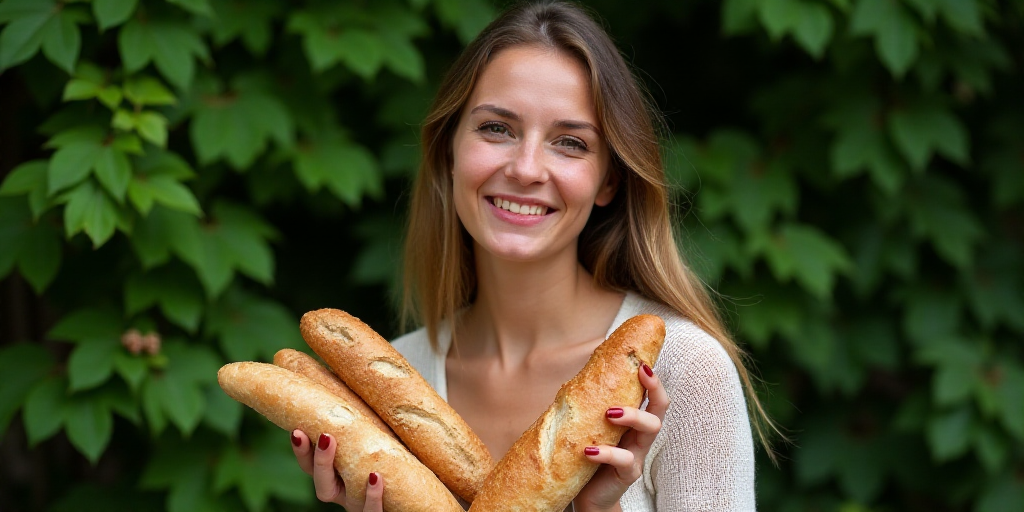
Marcela Rebollo, an industrial engineering graduate and passionate baker, founded Recreo Panadería with a unique approach. Unlike many modern gastronomic concepts, Recreo Panadería grew organically without a storefront or rushed production. Its expansion was silent, sustained, and genuine.
Rebollo’s journey to becoming a baker was unconventional. After working in finance and industry, she decided to leave her corporate career to dedicate herself fully to artisanal baking. What began as occasional dessert sales among friends evolved into a professional project following intensive training in New York.
Key Questions and Answers:
- What is Recreo Panadería? Recreo Panadería is an artisan bakery founded by Marcela Rebollo, focusing on traditional baking methods and high-quality ingredients.
- Who is Marcela Rebollo? Marcela Rebollo is an industrial engineering graduate who transitioned from a corporate career to become a passionate baker, emphasizing the craft of bread-making.
- How did Recreo Panadería grow? The bakery grew organically, relying on word-of-mouth and a strong community of loyal customers. It expanded during the pandemic as people sought unique, honest, and well-made bread.
- What sets Recreo Panadería apart? Unlike industrial bakeries, Recreo Panadería prioritizes time-honored techniques, real ingredients, and long fermentation processes. The bakery sees bread as a craft rather than a trend.
Pan as an Art, Not Industrial Production
Today, Recreo Panadería supplies around a dozen cafes and restaurants across Mexico City, along with direct customer orders. All production is made-to-order, with clear timelines of 24 to 48 hours depending on the product.
Rebollo emphasizes that not industrializing is central to the project’s philosophy. Here, fermentations are not rushed, and volume maximization is not the goal. Instead, bread is crafted with real ingredients, extended processes, and a high degree of intuition.
Is There No Good Bread in Mexico?
The debate on bread quality in Mexico has intensified in recent years. Rebollo argues that the controversy stems from an incorrect comparison. There are no “good” or “bad” flours; instead, there are distinct flours and techniques suited to various territories.
Mexico’s climate, altitude, and environmental conditions affect wheat behavior, making it non-native to the country. Rebollo believes that Mexico is experiencing a fertile moment, with diverse panaderías, artisanal projects, wood-fired ovens, and contemporary proposals coexisting.
“Saying there’s no good bread in Mexico is incorrect,” Rebollo asserts. “There are numerous techniques, processes, and traditions. Just because something isn’t made with a foreign technique doesn’t mean it’s not good bread. Good bread is what the consumer enjoys and respects the process.”
The Recreo Patio and Community
In addition to daily production, Recreo Panadería organizes “El Patio de Recreo” every three to four months. This event opens the workshop to the public, fostering a sense of community and creativity through special breads, sandwiches, specialty coffee, and a nostalgic atmosphere reminiscent of childhood recess.
“El Patio de Recreo is my guilt-pleasure of having a café for a day,” Rebollo explains. “People come with their families, friends, and dogs. It’s a chance to break from routine, get creative, and share bread more directly.”
The name “Recreo” is intentional, referencing the family home, Sunday gatherings, and shared tables. This idea permeates the entire project: bread as a meeting point, an excuse to gather, and a product inherently tied to time and companionship.
Five years after its founding, Recreo Panadería continues to grow steadily. For Marcela Rebollo, the goal isn’t merely to produce more bread but to do so better. In a market accustomed to immediacy, this silent yet firm stance is perhaps the project’s greatest strength.
Final Thought: “For me, bread has always been about sharing. Having good bread on the table speaks volumes: family, time, and care. That’s what I want people to feel when they enjoy our bread.”




