
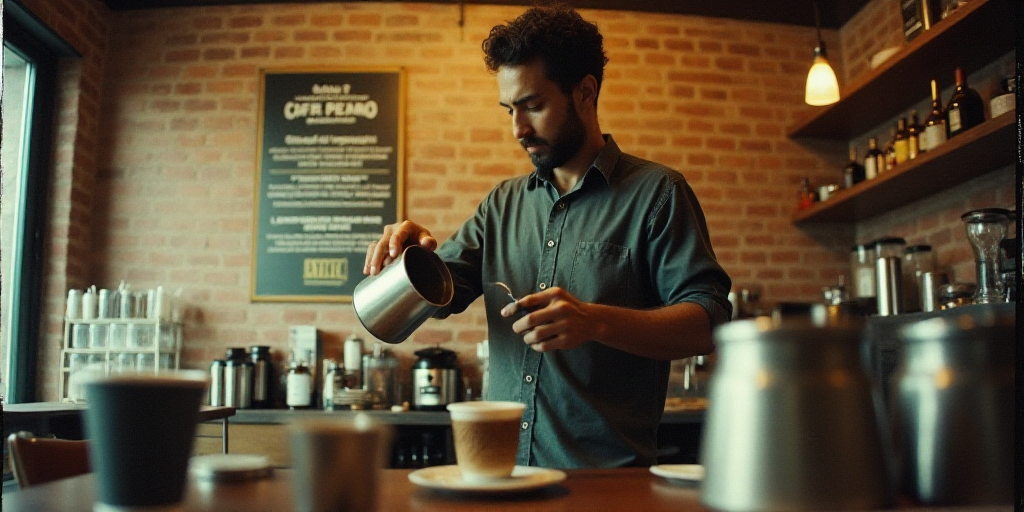
Coffee’s Cultural Significance in Mexico
Coffee is deeply ingrained in the daily lives of millions of Mexicans. By 2025, nearly 97.4% of the population consumes it at home, whether black, with milk, or accompanied by a sweet pastry. Its cultural significance is undeniable: in Chiapas and Oaxaca, for example, half of the country’s coffee is consumed, turning it into a daily ritual.
Challenges Facing the Coffee Industry
However, beyond tradition, the industry faces challenges that threaten its future. Severe droughts, heatwaves, and irregular rains could reduce production by up to one million bags this year. Additionally, the lack of generational succession poses a problem: fewer young people are interested in farming, jeopardizing the continuity of coffee cultivation.
The Cost of a Cup: Rising Prices and Logistical Pressures
Increasing international prices and logistical pressures have made coffee more expensive. In 2024, Brazil reached historical highs in arabica, directly impacting the Mexican market. The result is a more expensive cup of coffee for consumers, but not always better income for producers.
The Rise of Specialty Coffee
In this scenario, specialty coffee has gained relevance. It aims to ensure traceability, pay fair prices, and educate consumers about the true value behind each cup. According to Alejandro Martínez, founder of specialty coffee bar Kinno, “specialty coffee seeks to guarantee traceability, pay fair prices, and educate consumers about the real value behind each cup.”
Kinoo: A Specialty Model with Impact
Kinoo, a specialty coffee bar in the Nápoles neighborhood of Mexico City, was born from Alejandro Martínez’s vision. He understood that coffee is not just a business but a value chain involving field, quality, and service.
Alejandro’s journey began by visiting coffee-growing communities in Puebla and continued with the establishment of bars in Rome and Condesa (Cardinal) during the specialty coffee boom in Mexico City. Kinoo took it a step further by integrating roasting as a crucial part and working hand-in-hand with young producers, like Fabián in Sierra Negra, Puebla, ensuring sustainable purchases that strengthen local economies.
A Sustainable Future for Mexican Coffee
While instant coffee still dominates 85% of the national market, specialty coffee consumption has grown by 21% in the last year. More Mexicans are seeking quality, origin, and a complete experience.
Projects like Kinoo demonstrate that it’s possible to build a bridge between producers and consumers, betting on traceability and sustainability. As Alejandro Martínez reflects on this International Coffee Day, “if we want coffee to continue accompanying our mornings, it’s necessary to recognize the value of those who cultivate it, innovate in business models, and train new generations so the future doesn’t fade away.”
Key Questions and Answers
- What is the significance of coffee in Mexican culture? Coffee is deeply ingrained in the daily lives of millions of Mexicans, with traditions like consuming it black, with milk, or alongside sweet pastries. In regions like Chiapas and Oaxaca, coffee consumption is a daily ritual.
- What challenges does the Mexican coffee industry face? The industry faces challenges such as severe droughts, heatwaves, irregular rains, and a lack of generational succession in farming, threatening its future.
- How does specialty coffee address these challenges? Specialty coffee aims to ensure traceability, pay fair prices, and educate consumers about the true value behind each cup. It offers a more sustainable approach to coffee production and consumption.
- Who is Alejandro Martínez and what is Kinoo? Alejandro Martínez is an entrepreneur who founded Kinoo, a specialty coffee bar in Mexico City. He understands coffee as a value chain involving field, quality, and service, working closely with young producers to ensure sustainable purchases.
- How does Kinoo contribute to a sustainable future for Mexican coffee? Kinoo demonstrates that it’s possible to build a bridge between producers and consumers through traceability and sustainability, offering a more responsible approach to coffee consumption.




