
Introduction
In Mexico, we casually request “lime” without considering the various types available. The common misconception is that there are only two options: green or yellow. However, the reality is much more extensive, with numerous varieties, specific uses, and economic significance that positions Mexico as a major player in the global citrus market.
The Mexican Lime: Small, Aromatic, and Essential
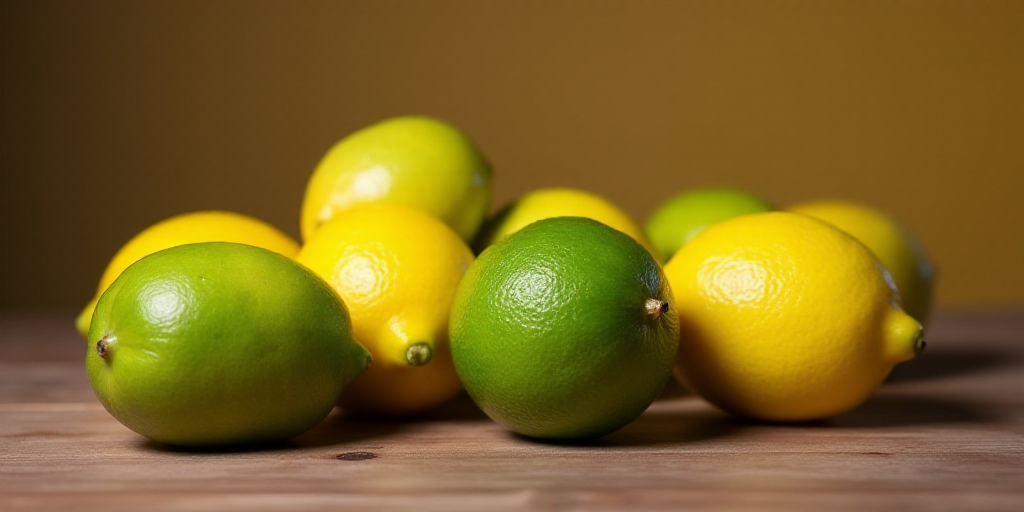
The Mexican lime, also known as criollo or sour lime, is the quintessential flavor of street food. Small, seed-filled, and intensely acidic, it complements tacos, pozole, micheladas, and aguachile. Its aroma is strong, and although the juice yield per piece is less abundant, it carries a distinct character. Due to its volume and tradition, the Mexican national lime remains a crucial component of consumption and an identifier of everyday culinary identity.
The Persian Lime: King of the Shelves and Export
The Persian lime, larger with thick skin and often seedless, has become the supermarket and export favorite. Its stable juice content, higher yield, and better transportation resistance have made it dominant in Mexican exports. It is commonly found packaged, waxed, and calibrated, serving as a versatile ingredient in both home cooking and international cuisine.
The Yellow Lime: Zest, Desserts, and European Cuisine
The yellow or Italian lime plays a different role. Although it doesn’t compete in volume with the green variety, its significance lies in baking, pastry, dressings, and mixology. Its zest adds fragrance, its acidity is more rounded, and its aromatic profile evokes European techniques. The consumption of yellow limes has grown alongside international cuisine and a heightened appreciation for the ingredient in Mexico.
Lime Production and Origins in Mexico
Mexico is a lime powerhouse, with annual production surpassing 3.2 million tons according to the Secretaría de Economía, concentrated in specific regions. Michoacán and Veracruz lead the production map, followed by Colima and Oaxaca. In these states, lime cultivation is not just a crop but also local economy, employment, and value chain. Commercially, the United States absorbs most of the Mexican lime crossing the border, establishing Mexico as a strategic supplier.
Other Lime Varieties You Rarely See
Beyond the main characters, regional varieties and niche productions like the “real” lime exist, seldom reaching mass market circulation. Their presence is usually confined to local circuits, direct consumption, or specific seasons. Though they don’t move the market, they expand the agricultural landscape and remind us that diversity isn’t always measured in tons.
Key Questions and Answers
- What are the main types of limes in Mexico? The primary lime varieties include the Mexican lime (criollo or sour), Persian lime, and yellow lime (Italian). Each has distinct characteristics, uses, and economic importance.
- Why is the Mexican lime so important in Mexican cuisine? The Mexican lime, with its intense acidity and aroma, is essential in defining the flavors of many traditional dishes, from tacos to micheladas.
- What makes the Persian lime popular for export? The Persian lime’s stable juice content, higher yield, and better transportation resistance make it ideal for export.
- How does the yellow lime contribute to Mexican culinary scene? The yellow lime, with its rounded acidity and European aromatic profile, plays a crucial role in baking, pastry, dressings, and cocktails, reflecting the growing influence of international cuisine in Mexico.
- Which states are major lime producers in Mexico? Michoacán, Veracruz, Colima, and Oaxaca are the primary lime-producing states in Mexico.
- What are some lesser-known lime varieties in Mexico? Regional and niche lime varieties, such as the “real” lime, exist but rarely reach mass market circulation.




