
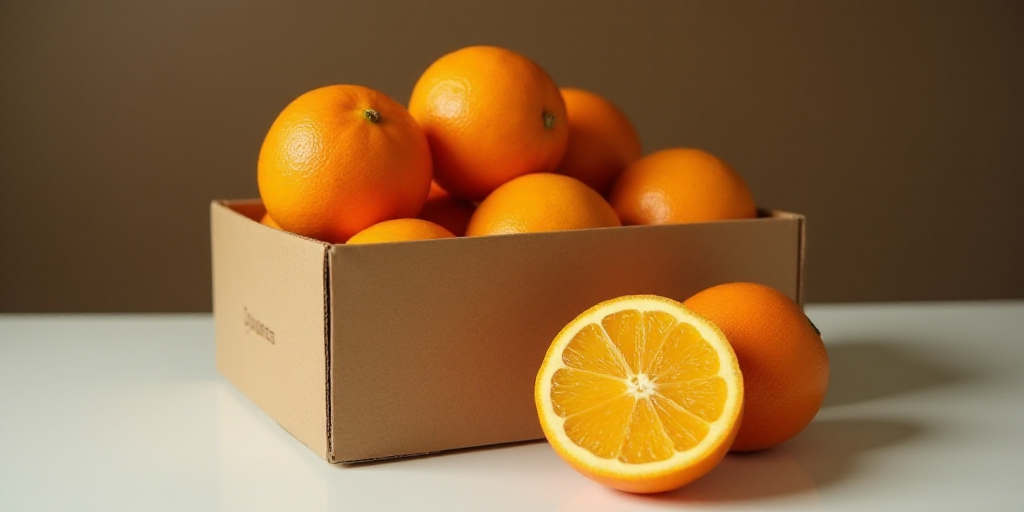
The Current Mandarin Price Situation
In the 2025 season, mandarins remain a staple, but their price has become a noteworthy topic. According to data from Mexico’s Federal Consumer Prosecutor’s Office (Profeco), the price per kilogram in Mexico City market ranges around 55 pesos, nearing 65 pesos in supermarkets, and can be as high as 70 pesos in some local stores. In states with limited local supply, such as Chiapas, the price can soar to 120 pesos when mandarins are sourced from other regions or even Peru. Compared to 2024, the price increase surpasses 20%.
Factors Behind the Price Hikes
Several interconnected factors contribute to the rising mandarin prices. These include reduced availability in orchards, increased production costs, and strong seasonal demand.
What’s Happening in the Orchards
Mandarin production is concentrated in a few Mexican states: Puebla, Veracruz, and Nuevo León. The season spans from October to March, with peak availability between October and December when varieties like Clementina, Satsuma, Dancy, and Oro Valle arrive. In the latter half of 2025, these regions faced challenging weather conditions, including prolonged droughts and irregular rainfall affecting flowering, setting fruit, and overall fruit quality.
Less water during critical stages of the cycle results in fewer mandarins per tree, while concentrated rainfall afterward increases fruit loss due to falling and complicates harvesting. This leads to a lower commercial production just as demand begins to rise for the peak consumption months.

Mandarinas
Rising Costs Along the Supply Chain
Lower production is compounded by escalating costs throughout the supply chain. Producers and retailers report increased expenses for fuels, agricultural inputs, packaging materials, and services related to fruit handling and transportation.
A Nutritious and Versatile Fruit
Despite the fragile supply and costs, mandarins maintain a profile that sustains demand. The Secretariat of Agriculture and Rural Development (SADR) describes mandarins as a versatile and nutritious fruit, available during the autumn and winter seasons thanks to producers’ efforts in harvesting, collecting, and transporting.
SADR highlights that mandarins contain approximately 85% water and combine vitamins, minerals, and fiber, making them a hydrating and health-promoting food. Key nutrients include:
- Vitamin C: strengthens the immune system.
- Antioxidants: help reduce oxidative damage.
- Dietary fiber: aids digestion and regulates blood sugar.
- Minerals like potassium: crucial for cardiovascular health.
- Magnesium: linked to muscular and nervous function.
Culinary applications for mandarins are diverse, including fresh consumption, salads, juices, smoothies, jams, teas, and infusions.
Seasonal Demand and Alternatives
Between October and December, mandarins are intensively incorporated into menus, snacks, juices, and sweet preparations. The ease of peeling, balanced sweetness and low acidity, and perception as a “light yet complete” food maintain consumption stability even when prices rise.

Mandarinas
When shopping, compare prices between markets, local markets, wholesale centers, and supermarkets to find the most significant difference per kilogram. In the kitchen, explore various mandarin uses: incorporate pulp and juice into savory and sweet dishes, utilize rind in baked goods and vinaigrettes, and preserve the peel for teas or conserves to extend mandarin presence throughout the year.
Key Takeaways
- Adverse weather conditions in key mandarin-producing regions have led to lower yields.
- Increased production costs, including fuel and transportation, have contributed to rising prices.
- Mandarins’ nutritional value and versatility in cooking maintain demand despite price increases.
- Consumers can find the best deals by comparing prices across various retail channels and utilizing mandarins in diverse culinary applications.




