
Amsterdam’s Decision to Prohibit Meat Advertising in Public Spaces from 2026
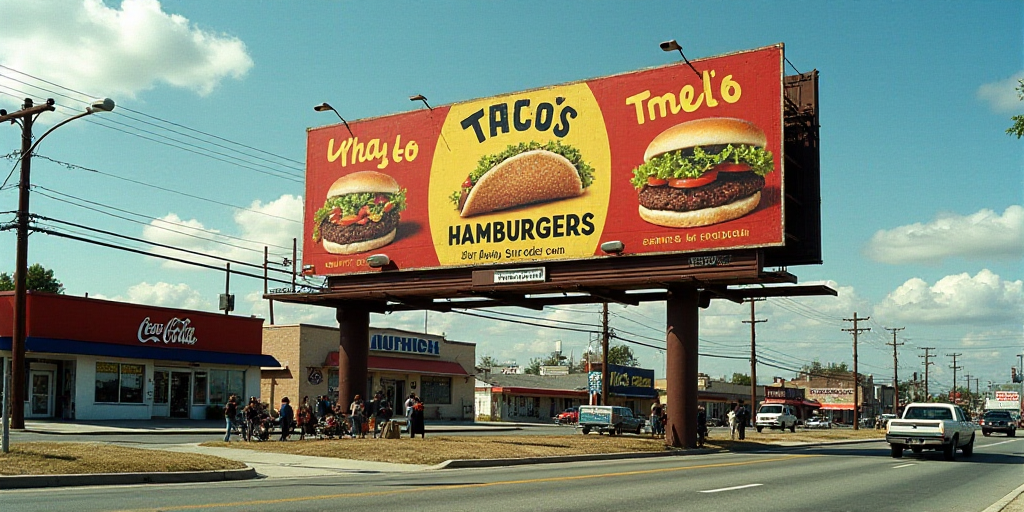
In May 2026, Amsterdam announced it will remove meat advertisements from public spaces. The message was clear: not banning meat, but restricting its promotion on the streets. No more billboards, transport stops, or urban screens.
The Uncomfortable Mirror for Mexico
Viewed from Mexico, this announcement stops being an odd European decision and becomes an uncomfortable reflection. Here, meat is not just food; it’s cultural identity, an economic driver, and the backbone of much of the restaurant business.
- Accelerated migration of advertising spending to social media, delivery platforms, internal promotions, and performance digital marketing.
The Environmental Argument: Methane Enters the Conversation
In Europe, political support for these measures is climatic. In Mexico, the entry point would be methane. International organization reports and technical diagnostics on national emissions coincide that the livestock sector, especially beef cattle, is one of the main sources of agricultural emissions, primarily due to enteric fermentation.
Within Mexico’s commitments to reduce greenhouse gases by 2030, the livestock industry frequently appears in official roadmaps, though it’s still not a daily consumer conversation.
The nuance is crucial: regulating advertising does not equate to banning the product. Mexico has already traversed this path with frontal labeling and restrictions on child-directed advertising. Soft drinks and snacks weren’t stopped from being sold; their messaging was merely reorganized.
Impact on Restaurants and Gastronomy
For chains, the impact would be direct on traditional marketing: less “double meat” on billboards and more investment in digital promotions, pricing, and loyalty.
For independent restaurants, the challenge would be narrative: selling experience rather than volume. Origin, technique, seasoning, and context would gain importance over the visual appeal of a dish.
For organized industry, discussion would be inevitable. CANIRAC would bring up employment, investment, and the financial fragility of a sector still recovering from the pandemic blow. The clash would be political and economic, not culinary. Would Mexican eating habits change?
Cultural Impact: What’s Unadvertised Ceases to Seem “Normal”
In the short term, no. No one would stop eating tacos because of a missing billboard. However, the underlying cultural effect is significant. What’s not advertised stops seeming “normal.” Public spaces educate, even if we don’t notice it.
That’s what Amsterdam is testing: whether a city can use public spaces as tools for food policy.
Key Questions and Answers
- What is Amsterdam’s decision regarding meat advertising? Amsterdam will remove meat advertisements from public spaces starting May 1, 2026. The move aims to restrict meat promotion rather than banning the product itself.
- Why is this relevant to Mexico? In Mexico, meat is deeply ingrained in cultural identity and the restaurant industry. The potential impact of such a ban would be significant, affecting marketing strategies, consumer perceptions, and possibly even eating habits.
- What are the environmental concerns? The livestock sector, particularly beef cattle, is a significant source of greenhouse gas emissions due to enteric fermentation. Amsterdam’s decision reflects growing global concern about these emissions.
- How would this affect Mexican restaurants? Chains might shift their advertising budgets to digital platforms, while independent restaurants would need to emphasize the narrative around their dishes. The organized industry might face political and economic challenges.
- Would Mexican eating habits change? In the short term, no. However, the long-term cultural impact of unadvertised products could influence what’s considered “normal” in public spaces.




