
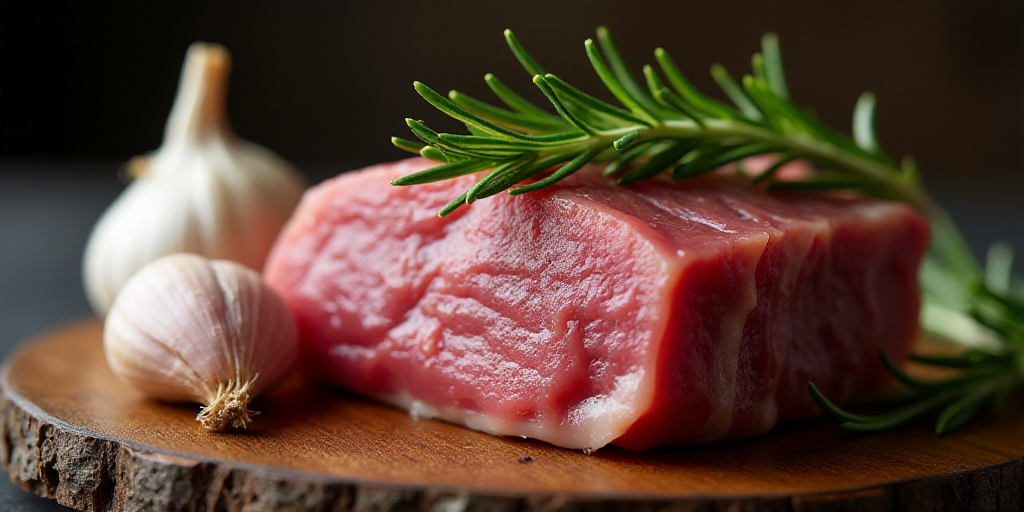
From Stigma to Essential Protein: The Rise of Pork in Mexican Cuisine
For decades, pork carried an undeserved stigma. It was considered “heavy” or something to avoid for health reasons. However, scientific evidence and the development of Mexican gastronomy have proven otherwise. Pork is not only a key part of the country’s culinary heart, starring in dishes like tacos al pastor, cochinita pibil, and pozole, but it’s also a crucial source of protein and economic well-being for millions of families.
Mexico’s Pork Production Leadership
According to data from the Mexican Pig Farming Institute (IMP) and the Mexican Pork Producers Organization (OPORMEX), Mexico ranks 8th worldwide in pork production and 6th in exportation, with a presence in demanding markets such as Japan, the United States, and South Korea.
A Growing Protein Source
Domestic consumption also reflects this trend. In 2024, each Mexican consumed an average of 22.25 kg of pork, making it the protein with the highest growth in the country, according to the COMECARNE Statistical Compendium.
Out of every 100 tonnes of animal protein consumed in Mexico, 42 correspond to pork, confirming its central role in national nutrition.
Nutritional Value and Accessibility
“Pork is not only part of our gastronomic tradition; it’s also nutritious, accessible, and versatile,” highlights María Elena Trujillo, IMP President, emphasizing the shift in perception towards this food.
Debunking Myths with Scientific Evidence
Recent studies have helped debunk misconceptions. Far from the old belief that pork was “heavy,” it’s now known to provide between 16% and 25% high-quality protein, rich in vitamins B1, B3, B6, and B12, as well as minerals like iron and zinc, crucial for the immune system and daily energy.
The CIAD considers pork a high biological value protein, meaning it contains all the essential amino acids the body needs for growth and health.
“Mexico has positioned itself as a reference in production and quality. Our role is to scientifically demonstrate why pork is a complete and healthy option for families,” states Celin Rivera Martínez, IMP Director.
A Symbol of Mexican Culinary Identity
Pork has also been a pillar of Mexican culinary identity. From michoacan carnitas to espinazo tamales, passing through artisanal sausages and cuts for contemporary cuisine, its versatility keeps it relevant in both traditional eateries and high-end restaurants.
Beyond food trends, pork is now positioned as a meat that combines nutrition, tradition, and sustainability, with an economic impact that strengthens Mexico’s countryside and local production chains.
Key Questions and Answers
- Q: Why was pork previously stigmatized in Mexico? A: Pork was unjustly labeled as ‘heavy’ and considered unhealthy, despite being a significant part of Mexican cuisine.
- Q: How does pork contribute to the Mexican diet? A: Pork is a crucial source of high-quality, affordable protein for millions of Mexican families and is central to the country’s culinary identity.
- Q: What makes pork a nutritious choice? A: Pork provides essential vitamins and minerals, including high-quality protein, vitamins B1, B3, B6, and B12, as well as iron and zinc, vital for the immune system and energy.
- Q: How significant is Mexico’s pork production? A: Mexico ranks 8th globally in pork production and 6th in exportation, with a presence in demanding markets like Japan, the US, and South Korea.
- Q: What is the impact of pork consumption on the Mexican economy? A: Pork production generates over 2 million jobs and supports local chains, fortifying Mexico’s countryside and culinary traditions.




