
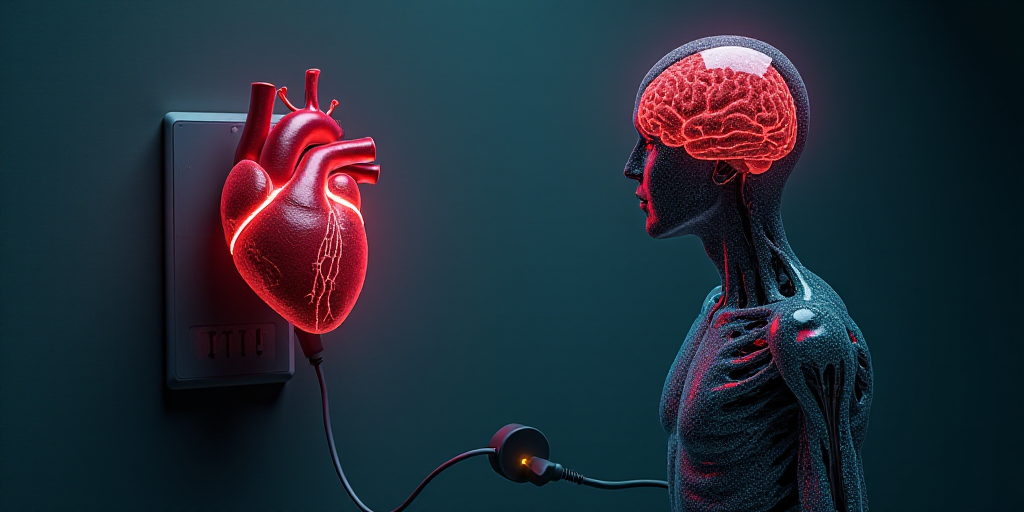
The Rising Importance of Human Skills in the Face of AI
As artificial intelligence (AI) becomes increasingly integrated into the workforce, universities are faced with a challenge: preparing graduates with more human-centric skills.
José Escamilla, Associate Director of the Institute for the Future of Education (IFE), emphasizes that regardless of a student’s current major, it is crucial for graduates to possess skills that will enhance their chances of success in the future.
The Demand for Human Skills in an AI-Driven Work Environment
According to Escamilla, the skills and abilities required in a future work environment with AI integration revolve around making workers more human. For instance, complex thinking—the ability to delve into a topic, question it, propose solutions, and base them on scientific processes—will be highly sought after.
These skills will enable professionals across all fields to be critical and creative users of AI, rather than mere bystanders.
AI Usage: A Red Flag for Human Skills Development
In the future, workers will collaborate with AI that can not only summarize content but also make decisions based on predictions to tackle complex problems, automate processes, anticipate trends, and create high-impact solutions.
However, overusing AI in educational settings, personal life, and the workplace can hinder the development of these essential skills.
“The skills most needed might be the least developed if AI is misused or not utilized effectively in learning activities,” warns Escamilla.
Rather than prohibiting AI, universities should employ it purposefully, allowing students to critically and creatively engage with the technology.
By 2030, it is estimated that 162 million jobs will change and 170 million new ones will be created globally due to AI integration, according to Escamilla, citing data from the World Economic Forum’s report “The Future of Jobs 2025.”
Updating Curriculum: The Challenge Brought by AI
Another task facing universities is adapting their curricula to measure and incorporate these human skills.
Patricia Caratozzolo, Vice President of the International Association for Continuing Engineering Education (IACEE), points out that universities are slow to adapt their plans of study, which can take five to seven years—far too long for the rapidly changing job market.
“Creating a new major… can take five, six, or seven years, and that’s not the speed the labor market needs,” she explains.
To tackle this challenge, universities must also focus on teaching students socioemotional skills that enable them to thrive in a constantly evolving work environment where today’s knowledge might become obsolete tomorrow.
Bridging the Gap Between Universities and the Labor Market
Achieving this requires shared responsibility among universities, businesses, and governments in shaping future graduates.
“To close the gap between university training and real labor market needs, data-driven models are essential. Real-time sector-specific intelligence and closer collaboration between universities, businesses, and governments are crucial. We can no longer work in isolation,” asserts a researcher from Tecnológico de Monterrey.
Government participation is vital to allow greater flexibility and autonomy in adapting university curricula.
“How do we make curricula more flexible so that there’s freedom to adjust changes in the curriculum to societal demands, moving at a faster pace?” questions Escamilla.
Strengthening ties with businesses is another necessity for universities to ensure graduates possess the skills demanded by the labor market.
“We need instructors to develop courses that include activities outside the classroom, connecting with societal needs,” adds Caratozzolo.
Key Questions and Answers
- What skills will be crucial in an AI-driven work environment? Complex thinking, critical engagement with AI, and socioemotional skills will be highly valued.
- Why is it important to adapt university curricula? To ensure graduates possess the skills needed in a rapidly changing labor market.
- What role do governments play in this process? Governments can provide flexibility and autonomy for universities to adapt curricula more effectively.
- How can universities collaborate with businesses to prepare students for the future? By integrating real-world activities into courses and aligning them with societal needs.




