
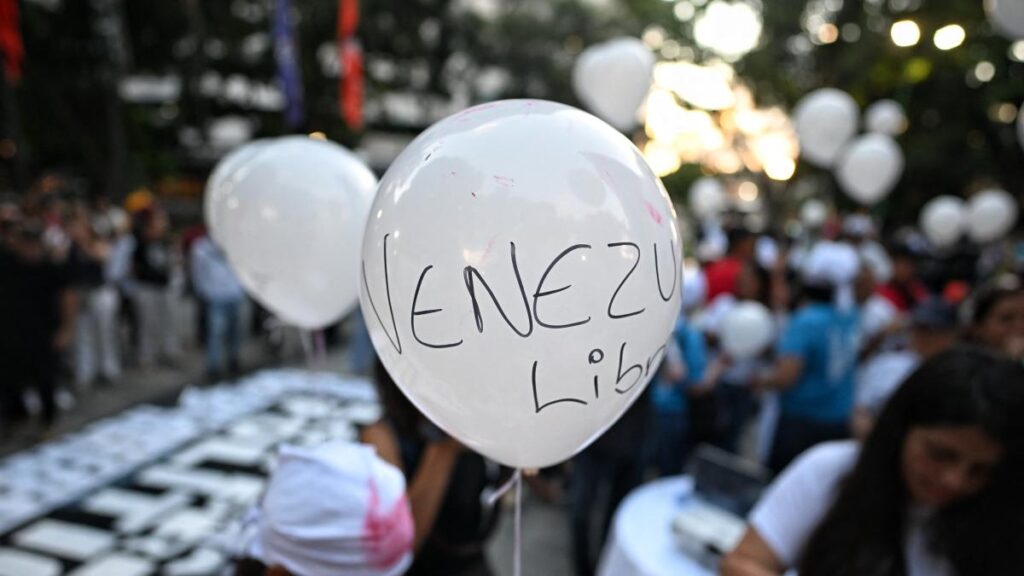
Background on Key Figures and Context
Following the controversial 2024 presidential elections in Venezuela, where Nicolás Maduro was reelected amidst allegations of fraud from the opposition, at least 87 detained protesters have been released, according to two non-governmental organizations (NGOs).
Edmundo González Urrutia, the opposition-backed candidate who claimed victory, has been a significant figure in Venezolan politics. María Corina Machado, a prominent opposition leader, endorsed González Urrutia’s candidacy. However, the Venezuelan government declared Nicolás Maduro the winner, leading to widespread protests and subsequent arrests.
Key NGOs Involved
The Comité por la Libertad de los Presos Políticos (Clippve) and Foro Penal, two prominent NGOs in Venezuela, have been actively monitoring and advocating for the release of political prisoners. Their efforts have led to the recent releases, though they assert that full liberty for all political detainees remains necessary through a general amnesty.
Recent Releases and Ongoing Concerns
On January 1, Clippve reported new releases from Tocorón prison in Aragua state. However, the NGO emphasizes that these individuals are not fully free as they still face ongoing legal proceedings and restrictive measures.
The Foro Penal verified 61 cases out of the 99 announced on December 25, estimating that over 700 political detainees remain in Venezuela. Tocorón prison, previously a hub for the Tren de Aragua criminal organization, has housed numerous protesters since 2023.
Additionally, two political prisoners from Rodeo I prison in Miranda state were also released on January 1, according to Foro Penal.
Recent Arrests Contrast Recent Releases
Despite the recent releases, there has been a surge in politically motivated arrests. Notable figures detained include José Elías Torres, leader of the country’s main trade union; Nicmer Evans, director of a news portal; José Patines, a trade union leader; and Melquíades Pulido from the opposition party Vente Venezuela led by María Corina Machado. While Patines and Pulido were later released, their detentions raised concerns about forced disappearances.
International Pressure and Opposition Concerns
The United States has increased pressure on the Maduro government since August, deploying troops to the Caribbean, closing informal airspace over Venezuela, and seizing sanctioned oil tankers near the country.
The Venezuelan opposition claims that these releases and subsequent arrests are part of a “revolving door” strategy, where some detainees are replaced by others for political gain without due process or guarantees.
González Urrutia, who resides in exile in Spain since 2024, denounced the situation as an abuse of power, stating that detainees are held arbitrarily to send messages, exert pressure, and discipline society, only to be selectively released when it serves the government’s interests.
Key Questions and Answers
- Who are the key figures mentioned? Edmundo González Urrutia, the opposition-backed candidate; María Corina Machado, a prominent opposition leader; and Nicolás Maduro, the incumbent president.
- What is the context of these releases? Following disputed 2024 presidential elections where Nicolás Maduro was reelected amidst allegations of fraud from the opposition, protests ensued, leading to numerous arrests. These recent releases are a result of advocacy by NGOs like Clippve and Foro Penal.
- What concerns remain regarding these releases? Despite the releases, over 700 political detainees remain in Venezuela. Moreover, the opposition claims that these releases and arrests are part of a political strategy without due process or guarantees.
- How has the international community responded? The United States has increased pressure on the Maduro government through military deployments, airspace restrictions, and seizure of sanctioned vessels. This pressure comes amidst allegations of political repression and electoral fraud.




