
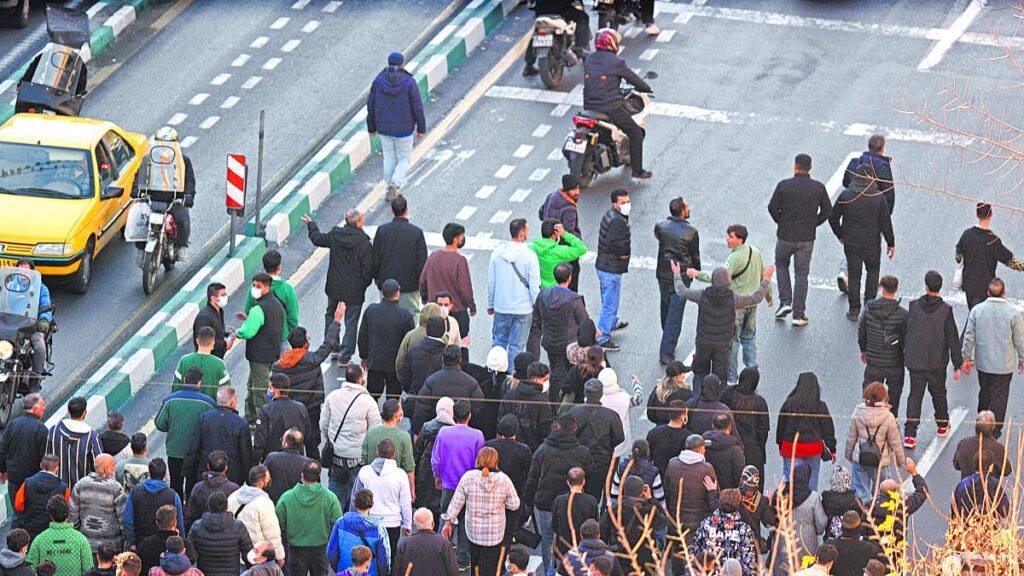
Background on the Current Situation in Iran
Iran has been grappling with a severe economic crisis for years, marked by soaring inflation and a rapidly devaluing currency. In December 2022, the annual inflation rate reached a staggering 52%, and the Iranian rial lost over one-third of its value against the US dollar in the past year. This economic turmoil has led to a sharp increase in the cost of basic goods, causing widespread discontent among Iranians.
Protests Erupt Across Iran
The unrest began on Sunday in Tehran, as merchants shut their businesses to protest against inflation, currency devaluation, and economic stagnation. The demonstrations soon spread to universities and various provinces, including the western and southwestern regions of Iran.
Clashes and Detentions
At least six people have lost their lives in confrontations between security forces and protesters, according to local media and human rights groups. The most intense clashes occurred in western and southwestern cities, such as Lordegan, where two civilians died, and Azna in Lorestan province, where three individuals perished and 17 were injured during encounters that included attacks on a police station. A member of the Basij paramilitary force also died in Kuhdasht, as reported by state television.
On Thursday, Tasnim news agency stated that 30 individuals who were disrupting public order in Teheran’s Malard district were identified and detained. Earlier, on Wednesday, the same source reported that seven people were arrested for allegedly belonging to hostile groups based in the United States and Europe.
Protests also took place in Marvdasht, in the southern Fars province, according to activist news site HRANA. Hengaw reported that demonstrators were detained in the western provinces of Kermanshah, Juzestán, and Hamedán on Wednesday.
Government Response to Protests
Authorities acknowledged material damages and numerous arrests, while the Iranian attorney general warned that any attempts to turn protests into “scenes of insecurity” would be met with firmness. Simultaneously, the government recognized the legitimate demands related to the economic situation.
“From an Islamic perspective (…), if we fail to address people’s livelihood issues, we will end up in hell,” President Masud Pezeshkian stated in a televised speech, emphasizing the gravity of neglecting the population’s economic concerns.
Although the current protests have not reached the scale of those in 2022 following Mahsa Amini’s death, the escalating tensions reflect unrest in various parts of Iran. In recent years, authorities have violently suppressed protests over issues ranging from high prices and droughts to women’s rights and political freedoms, often employing harsh security measures and mass arrests.
Government spokesperson Fatemeh Mohajerani announced on Thursday that authorities would maintain direct dialogue with labor union and merchant representatives.
Key Questions and Answers
- What sparked the recent protests in Iran? The demonstrations were initiated by merchants in Tehran protesting against soaring inflation, currency devaluation, and economic stagnation.
- How many people have died in the protests? At least six fatalities have been reported due to clashes between security forces and protesters.
- Which regions of Iran experienced the most intense clashes? The western and southwestern cities, including Lordegan and Azna, witnessed the most severe confrontations.
- What has been the government’s response to the protests? Authorities have acknowledged material damages and numerous arrests while warning against turning protests into scenes of insecurity. The government has also recognized the legitimate demands related to the economic situation.
- How have Iran’s economic issues contributed to the current unrest? Years of soaring inflation and a rapidly devaluing currency have led to a sharp increase in the cost of basic goods, causing widespread discontent among Iranians.




