
Candidates Pledge to Strengthen Ties with U.S.
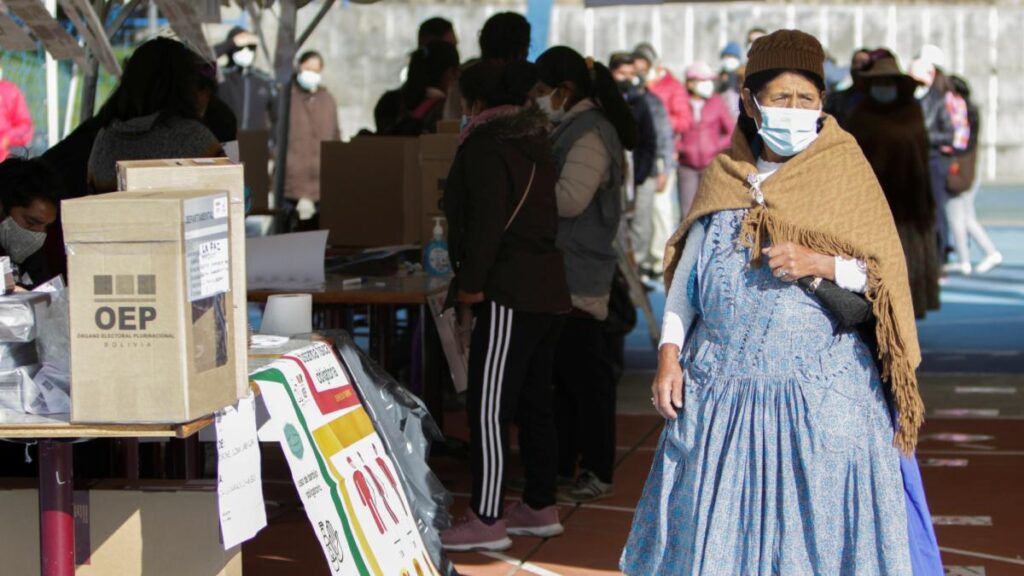
Bolivians are voting on Sunday in a presidential election that marks a decisive rejection of the long-standing socialist government and a potential shift towards closer ties with the United States after decades of strained relations.
The runoff pits centrist senator Rodrigo Paz against former conservative president Jorge “Tuto” Quiroga, both promising to bolster diplomatic relations with Washington and seek financial support from the U.S. to stabilize Bolivia’s fragile economy.
Background on Key Candidates
Rodrigo Paz, a centrist senator, and Jorge “Tuto” Quiroga, a former conservative president, represent a significant departure from the two decades of leftist rule by Evo Morales and his Movement Towards Socialism (MAS) party, which once enjoyed the backing of Bolivia’s indigenous majority.
Morales, a coca union leader who took power in 2006 and became Bolivia’s first indigenous president, forged alliances with Cuba, Venezuela, and Russia, nationalized the oil and gas industry, and pursued anti-American policies.
Policy Differences
Quiroga has pledged a “radical change,” including deep public spending cuts and the closure or privatization of loss-making state enterprises. Paz favors a more gradual approach, preserving social programs for the poor while promoting private sector growth.
Economic Concerns Drive Voters
As of late September, Paz proposed a $1.5 billion economic cooperation agreement with the U.S. to secure fuel supplies, while Quiroga seeks a $12 billion international rescue backed by multilateral lenders.
U.S. Secretary of State Marco Rubio stated that both candidates aim for “stronger and better” relations with the U.S. following decades of anti-American leadership, calling these elections “an opportunity for transformation.”
Economic Challenges and Austerity Fears
Some Bolivians worry about potential austerity measures, similar to those implemented in neighboring Argentina under President Javier Milei. However, Paz has rejected drastic spending cuts, while Quiroga insists his policies will benefit ordinary Bolivians.
Support for the Movement Towards Socialism (MAS) virtually collapsed in the initial election round.
- Economic Indicators: Inflation has surged to 23% this year, and shortages of fuel and dollars have stifled consumer demand.
- Export Decline: Natural gas exports, once Bolivia’s economic engine, have plummeted, putting pressure on the Bolivian currency and limiting fuel imports.
- Informal Employment: Bolivia has one of Latin America’s highest informal employment rates, with around 84% of the population working outside the formal labor market.
The economic struggles have impacted daily life, with commercial districts in La Paz experiencing closed shops and empty streets. Mercedes Quisbert, president of the local Importers Association, reports near-zero sales on some days and months.
Marcela Martínez, a 52-year-old resident of La Paz, acknowledges the tough times but plans to vote for Paz, believing fresh leadership is necessary.




