
Background and Relevance of Key Figures
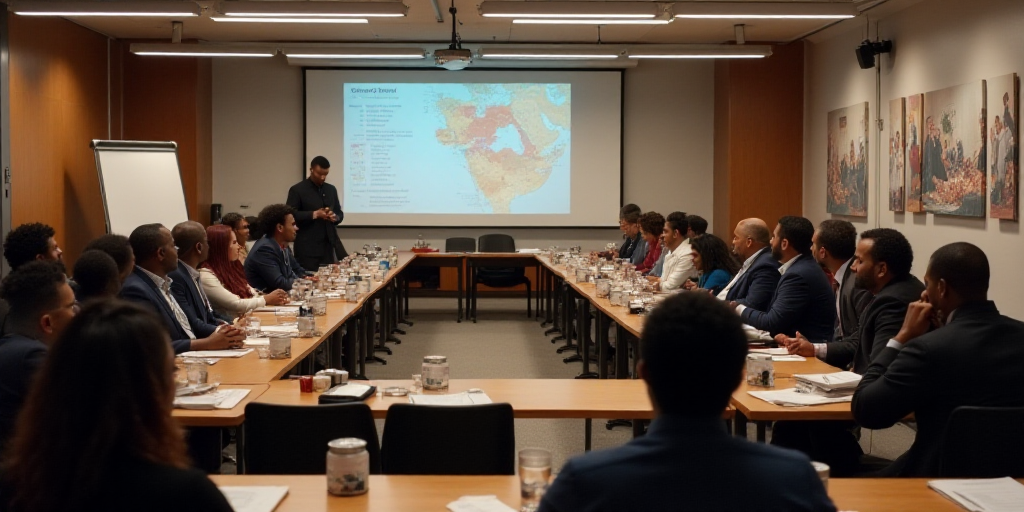
The Celac-EU summit, held in Santa Marta, Colombia, saw the participation of only nine out of the 60 presidents and prime ministers from both regions. Notably absent was Mexico’s President, who instead sent her Secretary, Juan Ramón de la Fuente. Among the attendees were Antonio Costa, President of the European Council; Pedro Sánchez, Prime Minister of Spain; and Brazil’s President Luiz Inácio Lula da Silva.
Declaration Against Use of Force
The leaders from the Community of Latin American and Caribbean States (Celac) and the European Union (EU) signed a joint declaration on Sunday, rejecting the use of force contrary to international law. This comes amidst tensions with the United States over aerial attacks targeting suspected drug trafficking vessels in the Caribbean and Pacific, resulting in 70 deaths so far.
Out of the 33 Celac and 27 EU members, only nine heads of state or government attended the summit. The declaration was signed by 58 of the 60 participating nations, with Venezuela and Nicaragua opting out.
Key Points of the Declaration
- Opposition to the use or threat of force, and any action not in accordance with international law and the UN Charter.
- Emphasis on mutual respect and full compliance with international law in combating transnational organized crime.
- 52-point declaration covering topics such as climate change, migration, the war in Ukraine and Gaza, and a call for UN Security Council reform.
- Venezuela and Nicaragua did not sign the text.
US Military Presence and Trade Cooperation
Vice President of the European Commission, Kaja Kallas, stated that force can only be used for self-defense or under a UN Security Council resolution. She also emphasized the importance of maintaining trade cooperation with the region, despite global trends towards isolationism.
Brazil’s President Lula reiterated his concern about the US military presence in the region, criticizing the recurrence of military threats and illegal interventions.
Multilateralism and Peace
During his speech, Colombia’s Foreign Minister Juan Ramón de la Fuente reaffirmed the country’s commitment to peace, multilateralism, and international cooperation. He subtly addressed foreign interference in Mexico without mentioning Mexico’s own involvement in neighboring countries’ affairs, advocating for peaceful dispute resolution and self-determination of peoples.
Key Questions and Answers
- What is the Celac-EU summit? It’s a meeting between the Community of Latin American and Caribbean States (Celac) and the European Union (EU) to discuss various topics, including international law, trade cooperation, and global issues.
- Who attended the summit? Only nine out of the 60 presidents and prime ministers from both regions attended, with notable absences including Mexico’s President.
- What was the main focus of the summit? The leaders signed a declaration rejecting the use of force contrary to international law, particularly in light of US aerial attacks targeting suspected drug trafficking vessels.
- What concerns were raised about the US? Brazil’s President Lula expressed concern over the increased US military presence and threats in the region, while Vice President Kallas emphasized adherence to international law when using force.
- What topics were covered in the declaration? The 52-point declaration addressed issues like climate change, migration, conflicts in Ukraine and Gaza, and proposed reforms to the UN Security Council.




