
Background on Key Figures and Context
The recent events in Gaza involve Israel, a country with a complex political history and ongoing tensions with Palestine. The key figures in this situation include:
- Israel: A country in the Middle East known for its military strength and strategic importance. Its actions are often driven by security concerns.
- Palestine: A territory governed by the Islamist movement Hamas, which has been in conflict with Israel for decades. The Palestinian people have experienced numerous hardships, including displacement and loss of life.
- United States: A global superpower that has played a mediating role in the Israeli-Palestinian conflict, with President Donald Trump expressing hope for the ceasefire’s continuity.
- United Nations: An international organization that includes various agencies, such as the Office of the High Commissioner for Human Rights, which has condemned civilian casualties and called for respect of international humanitarian law.
Israeli Military Actions and Consequences
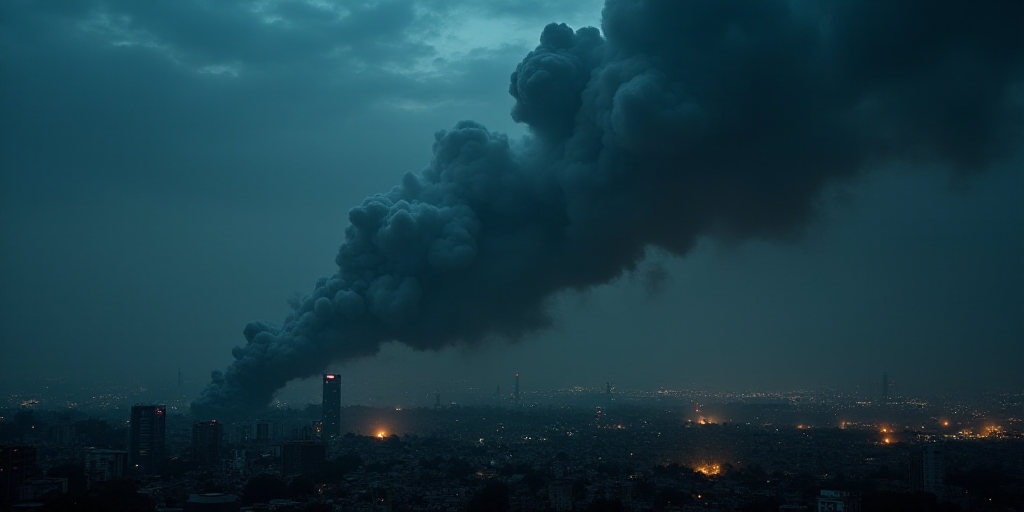
On Wednesday morning, following the death of an Israeli soldier in Gaza on Tuesday, Israel launched a series of bombardments targeting a weapons depot in Beit Lahia, Gaza. The Israeli military claimed that the attack aimed to neutralize an imminent “terrorist attack.”
According to the Al Chifa hospital in Gaza City, two Palestinians died in the latest attack. The Palestinian civil defense reported that 104 people, including 46 children and 24 women, perished in the previous night’s bombardments.
Israel stated that its forces would remain deployed “in accordance with the ceasefire agreement” and continue to eliminate any immediate threats. The Israeli military asserted that 30 high-ranking militants had been neutralized, with Defense Minister Israel Katz claiming that “dozens of Hamas commanders” were eliminated.
Hamas’ Response and Criticism
Hamas, the governing body in Gaza, denied any involvement in the Rafah incident and reaffirmed its commitment to the US-brokered ceasefire. However, Hamas delayed the handover of a deceased hostage’s remains and warned that any escalation would complicate the search and recovery process.
The ongoing dispute over the delayed return of remains threatens to undermine the ceasefire agreement, which was negotiated between Israel and Hamas and supported by the Trump administration and regional mediators (Egypt, Turkey, and Qatar).
Israel accuses Hamas of breaching the agreement by failing to return remains on time, while Hamas argues that locating bodies buried in Gaza’s rubble requires time.
Impact on Civilians and International Response
The recent escalation has deeply affected the civilian population in Gaza. Khadija al Husni, a 31-year-old mother living in a refugee camp, expressed her frustration and despair: “We were just starting to breathe again, trying to rebuild our lives, when the bombing resumed.”
The United Nations Secretary-General, Antonio Guterres, strongly condemned the civilian deaths caused by Israeli bombardments, including many children. The UN High Commissioner for Human Rights, Volker Turk, described the situation as “atrocious” and urged all parties to prevent peace from slipping away.
Jalal Abas, a 40-year-old resident of Deir el Balah, criticized Israel for using false pretexts to resume its campaign. He accused the US of enabling Israeli actions by believing misinformation, stating, “We want an end to war and escalation. We are exhausted and on the brink of collapse.”
Key Questions and Answers
- Who is involved in the conflict? The primary parties are Israel and Palestine, with Hamas governing the latter. The United States and the United Nations play mediating roles.
- What triggered the recent escalation? The death of an Israeli soldier in Gaza on Tuesday led to the bombardment of a weapons depot.
- What is the status of the ceasefire? Although brokered by the US and supported by regional mediators, the ceasefire faces challenges due to disputes over the return of hostage remains.
- How have civilians been affected? Hundreds of Palestinian civilians, including many children and women, have lost their lives in the recent bombardments.
- What is the international community’s response? The UN has condemned civilian casualties and called for respect of international humanitarian law.




