
Background on Key Players and Relevance
Gilad Zwick, the spokesperson for Israel’s Ministry of Diaspora Affairs and Combating Antisemitism, announced that 37 humanitarian aid organizations will be barred from operating in Gaza starting January 1, 2023. Among these organizations are Médicos Sin Fronteras (Doctors Without Borders) and Oxfam, due to their refusal to provide detailed lists of Palestinian employees.
Zwick claims that these organizations are reluctant to share such lists because some of their Palestinian staff members are allegedly linked to terrorism or Hamás. The decision aims to enforce and update regulations governing international NGO activities in Palestinian territories.
Key Organizations Affected
- Médicos Sin Fronteras (Doctors Without Borders): An international medical humanitarian organization targeted by Israel for having two employees reportedly affiliated with Yihad Islámica and Hamás.
- Oxfam: An organization focused on humanitarian aid, development, and advocacy.
- Consejo Noruego para los Refugiados (NRC): A humanitarian organization providing assistance and protection to refugees, internally displaced persons, and other people in need.
- World Vision International: A Christian humanitarian organization dedicated to working with children, families, and their communities.
- CARE: A global humanitarian organization committed to fighting poverty and social injustice.
Reasons for the Prohibition and Consequences
Zwick stated that these 37 organizations have not complied with the new requirements, which demand detailed information about Palestinian employees. The deadline for providing these data was set to midnight on the specified date, but Zwick expressed skepticism about their sudden compliance.
The new regulations are intended to strengthen and modernize the rules governing international NGO activities in Palestinian territories. However, humanitarian organizations warn that these changes will significantly impact the distribution of supplies in Gaza, where aid remains insufficient according to international entities.
EU and UN Response
Hadja Lahbib, the EU’s humanitarian chief, emphasized that the regulations “cannot be applied in their current form” and stressed the importance of ensuring aid reaches those in need.
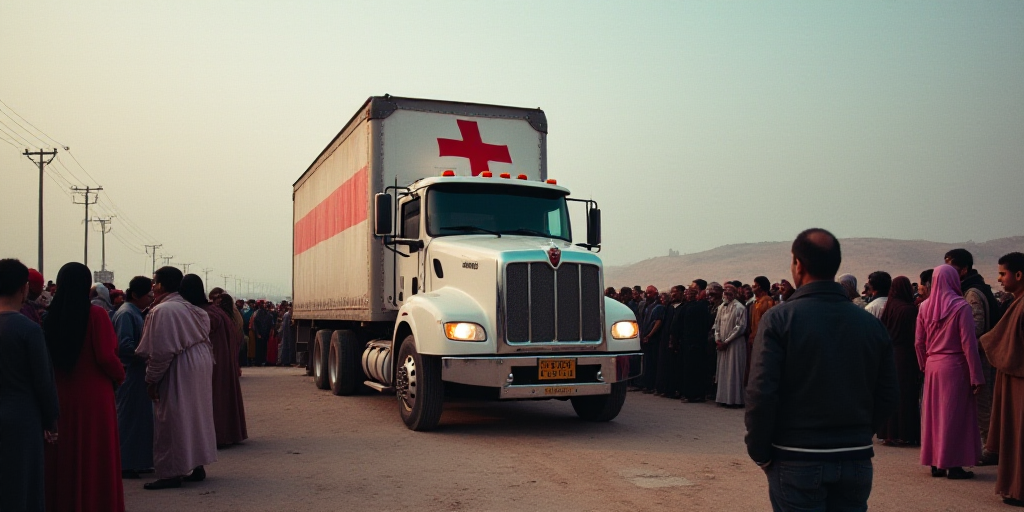
Despite a ceasefire agreement initiated on October 10, which anticipated the entry of 600 trucks daily into Gaza, only between 100 and 300 trucks actually deliver humanitarian aid, according to NGOs and the United Nations.
The Coordinating Administration for Civil Affairs (COGAT), under Israel’s Ministry of Defense, reported that an average of 4,200 aid trucks enter Gaza weekly, equating to roughly 600 daily deliveries.
Key Questions and Answers
- What is the reason for this prohibition? Israel claims that the organizations refuse to provide detailed lists of Palestinian employees, raising concerns about potential links to terrorism or Hamás.
- Which organizations are affected? Médicos Sin Fronteras, Oxfam, Consejo Noruego para los Refugiados (NRC), World Vision International, and CARE are among the 37 organizations affected by this decision.
- What are the consequences of this prohibition? Humanitarian organizations warn that the new regulations will severely impact aid distribution in Gaza, where assistance remains insufficient.
- How have international bodies responded? The EU’s humanitarian chief, Hadja Lahbib, stated that the regulations cannot be applied in their current form and emphasized the necessity of delivering aid to those in need.
- How many trucks carry humanitarian aid into Gaza? Although the ceasefire agreement anticipated 600 trucks daily, NGOs and the UN report that only between 100 and 300 trucks actually deliver humanitarian aid.




