
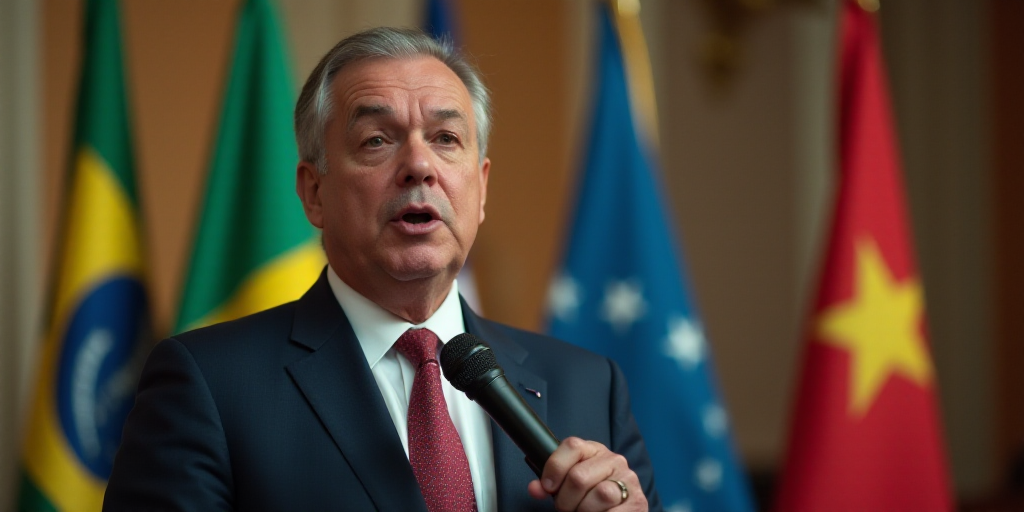
Background on Luiz Inácio Lula da Silva
Luiz Inácio Lula da Silva, currently serving as the President of Brazil, has declared his intention to seek reelection in 2026 for a fourth term. This announcement was made during a state visit to Indonesia alongside President Prabowo Subianto.
Lula’s Political Background
Lula, a left-wing leader, has previously won three presidential elections: in 2002, 2006, and 2022. His current term is set to conclude by the end of 2026.
Early Indications and Recent Developments
Earlier in the year, Lula hinted at a possible reelection campaign without making an official announcement. His recent statements come a year before the 2026 elections, and it remains unclear who his primary opponent will be.
Potential Rival: Jair Bolsonaro
Former President Jair Bolsonaro, who lost to Lula in the 2022 election, is barred from running due to electoral court rulings and a recent conviction of over 27 years in prison for allegedly attempting a coup d’état. Bolsonaro denies any wrongdoing and claims he will run despite the conviction.
Key Questions and Answers
- Who is Luiz Inácio Lula da Silva? Lula da Silva is the current President of Brazil, a left-wing politician who has previously won three presidential elections in 2002, 2006, and 2022.
- What is Lula’s announcement about? Lula has declared his intention to seek reelection for a fourth term in 2026, when he will be 80 years old.
- Who might be Lula’s primary opponent? Former President Jair Bolsonaro, who lost to Lula in the 2022 election, is a potential rival. However, Bolsonaro is currently barred from running due to legal issues.
- When are the 2026 elections? The 2026 elections in Brazil are scheduled to take place a year from now.
Context and Impact
Lula’s decision to seek reelection at the age of 80 has sparked discussions about his energy levels, political experience, and potential impact on Brazil’s future. His previous terms have been marked by significant social programs and efforts to strengthen ties with other nations. As a left-wing leader, Lula’s policies have often focused on reducing inequality and promoting social justice.
The looming 2026 elections will be crucial for Brazil’s political landscape, especially considering the country’s recent history of political shifts. Lula’s potential reelection could further solidify his influence on Brazilian politics and policies. Meanwhile, the situation surrounding Jair Bolsonaro’s eligibility to run adds another layer of complexity to the electoral process.
As Brazil prepares for another round of presidential elections, citizens and international observers will closely monitor the developments surrounding Lula’s reelection bid and the challenges posed by Bolsonaro’s legal situation.




