
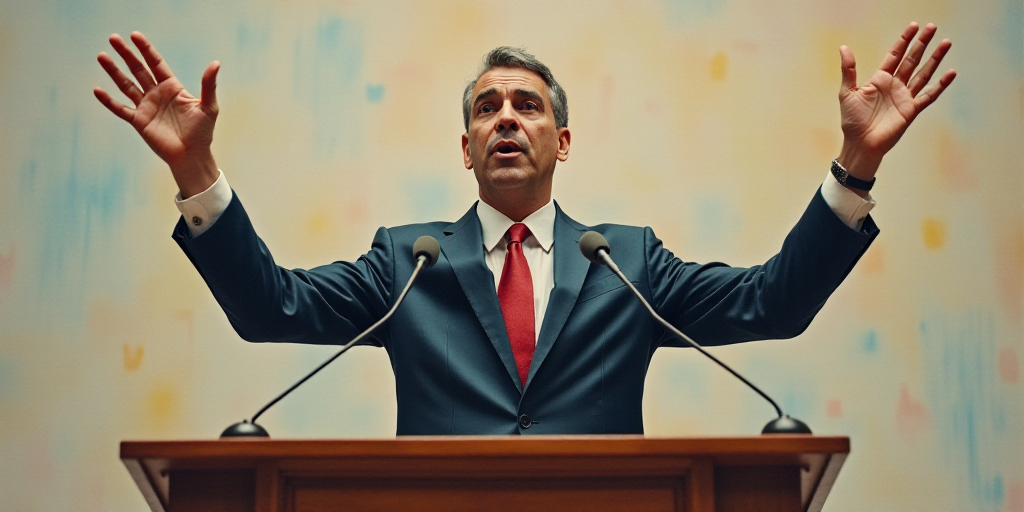
Background on Luiz Inácio Lula da Silva
Luiz Inácio Lula da Silva, the current President of Brazil, is a prominent figure in global politics. Having served as President from 2003 to 2010, Lula was known for his progressive policies and strong advocacy for social programs. His second term, beginning in 2023, marks his return to the presidency after a gap of nearly a decade. As host of COP30, the 30th Conference of the Parties to the United Nations Framework Convention on Climate Change, Lula’s voice carries significant weight in shaping international climate policy.
Lula’s Plea at COP30
At the opening of COP30 in Belém, Brazil, Lula emphasized the need to separate geopolitical conflicts from urgent climate matters. He criticized ongoing strategic rivalries, armed conflicts, and the spread of misinformation that divert attention and resources from addressing climate change.
“These extremist forces create false news to gain electoral advantages and perpetuate a model that should be surpassed, one marked by persistent socioeconomic inequalities and environmental degradation,” Lula stated during his speech at the general leaders’ session.
He further highlighted the disconnect between diplomatic circles and the general public’s understanding of climate issues. “People may not grasp emissions or metric tons of carbon, but they are well aware of the effects of pollution,” Lula pointed out.
Lula’s Perspective on Climate Change and Inequality
According to Lula, climate change is a result of the same dynamics that have “fractured” societies for centuries, dividing them between the rich and the poor and separating developed and developing nations. “Controlling climate change without addressing inequality will be impossible,” he stressed.
Vulnerable Countries Demand Greater Ambition
Countries most vulnerable to climate change, including island nations on the frontlines of rising sea levels, have expressed disappointment that few countries have submitted their national action plans to reduce emissions (NDCs). Those who did propose insufficient progress, according to Bloomberg.
Hilda Heine, President of the Republic of the Marshall Islands and leader of the High Ambition Coalition negotiating bloc, urged Lula in an open letter to ensure COP30 addresses the gap between countries’ commitments and what’s needed to control global temperature rise.
“We need a bold path to fulfill existing promises and intensify efforts for everyone’s safety, both now and for future generations,” Heine affirmed in the letter.
Limited Attendance at COP30
Less than 60 presidents, prime ministers, and high-level officials from the 190 countries sending representatives are expected to attend COP30. Only around 20 leaders, including presidents, prime ministers, and royals, are scheduled to speak during the two-day leaders’ summit.
- Notable absences include Chinese President Xi Jinping, Indian Prime Minister Narendra Modi, and U.S. President Donald Trump, who has opted to skip the climate crisis-focused conference, calling it a “scam.” The U.S. is set to officially withdraw from the Paris Agreement on January 27, a year after Trump’s decision to do so shortly after taking office.
Sustainable Fuels and Tropical Rainforest Protection
During COP30, Lula is expected to highlight his commitment to quadruple sustainable fuel production by 2035, potentially boosting Brazil’s vegetable-based liquid fuel industry. However, funding expectations have fallen short of initial targets.
Experienced diplomats anticipate that leaders will emphasize the ongoing expansion of emission-free energy at COP30, despite the U.S.’s withdrawal from climate diplomacy and other countries’ efforts to scale back their environmental policies.
Some will also detail tangible benefits of addressing climate change, such as new job opportunities, increased security, and economic prospects generated by working to mitigate global warming and strengthen resilience against extreme weather events. Their goal is to reframe abstract climate concepts using more accessible language for a broader audience.




