
Overview
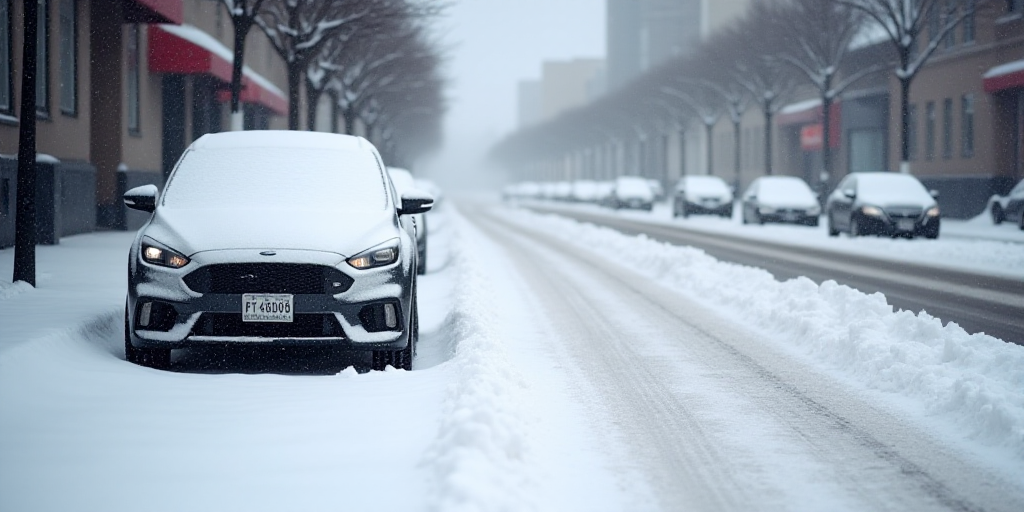
A massive winter storm, bringing dangerously cold Arctic air and potentially deadly conditions, has affected large parts of the United States for three consecutive days. The storm has resulted in at least 23 fatalities, widespread power outages, and thousands of grounded flights.
Geographical Impact
The storm has impacted locations from southern areas like the Gulf Coast to New England, with residents in these regions experiencing freezing temperatures throughout the night and into mid-week. Approximately 190 million people in the U.S. are under some form of extreme cold warning, according to the National Weather Service (NWS).
Fatalities and Impacts
The death toll has risen to at least 23 due to the extreme weather conditions, with causes including hypothermia, traffic accidents, snowmobile incidents, all-terrain vehicle mishaps, and snow-clearing equipment accidents.
- New Jersey: A man was found dead in the snow, clutching a shovel.
- New York City: Eight individuals were found deceased amidst the plummeting temperatures; their causes of death are still under investigation.
As of Monday evening, nearly 600,000 customers remained without power, according to Poweroutage.us.
Southern States Hit Hardest
Tennessee, Texas, Mississippi, and Louisiana—states less accustomed to intense winter conditions and frigid temperatures—were particularly affected. These states are expected to continue experiencing the harsh weather through much of the following week.
Weather Conditions
In areas of Minnesota and Wisconsin, the NWS reported temperatures as low as -30.6°C early Monday morning, with wind chill making conditions even more treacherous.
Nearly half of the states received at least 30.5 cm of snow over the weekend. Lake Bonito in New Mexico accumulated the highest total snowfall in the country, with 78.7 cm reported.
Nashville’s Mayor, Freddie O’Connell, informed the press that falling ice weighed down trees in Tennessee’s capital, sometimes causing power outages where electricity had already been restored.
Local police and fire departments formed a new task force to connect residents without power to emergency shelters with heating.
Emergency Declarations and Challenges
At least 20 states, including Washington D.C., declared a state of emergency to deploy emergency personnel and resources.
The storm caused treacherous road conditions, leading to the cancellation of buses, trains, and flights over the weekend. The storm is linked to a distortion of the polar vortex, an air mass that typically circulates above the North Pole but has shifted southward.
Scientists suggest that increased disruptions in the polar vortex could be related to climate change.
Dave Radell, a meteorologist with the NWS in New York, explained to AFP that recovery from this storm has been particularly challenging due to the extensive number of affected states. Northern states, better prepared for winter, could not share their resources with southern regions less equipped to handle such events.
“Many of those places lack the means and resources to clean up after these occurrences,” said Radell. “We are particularly concerned about individuals in those areas currently without power.”




