
Background on Key Players and Context
The United States recently approved two significant arms sales agreements with Israel and Saudi Arabia, totaling nearly $6.7 billion, amidst heightened tensions with Iran and a fragile ceasefire in Gaza.
Israel, a close US ally in the Middle East, has been engaged in conflicts with Palestinian groups like Hamas for years. In October 2023, Israel and Hamás agreed to a ceasefire supported by the United States, which largely halted two years of warfare.
Saudi Arabia, another key US partner in the region, has been involved in a power struggle with Iran, fueling tensions and prompting the US to bolster its military presence in the area.
Arms Sales Details
The US Department of State announced the sale of 30 attack helicopters, Apache, and related equipment to Israel for $3.8 billion.
- $3.8 billion sale of 30 attack helicopters (Apache) and related equipment to Israel
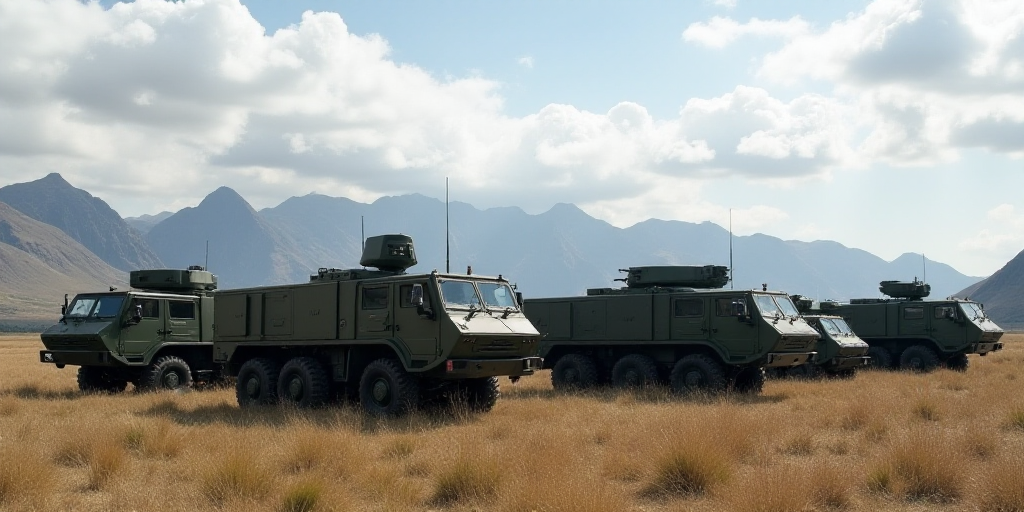
- $1.8 billion sale of light tactical vehicles to Israel
Additionally, the US approved a $9 billion sale of 730 Patriot defensive missiles to Saudi Arabia.
Regional Tensions and Impact
The region has experienced increased tension due to the threat of a potential US attack on Iran. The United States has already deployed a military contingent in the region, further escalating concerns.
The recent arms deals come at a time when the Middle East is already grappling with ongoing conflicts and political instability.
Key Questions and Answers
- Who are the key players involved? The United States, Israel, and Saudi Arabia are the main parties involved in these arms deals.
- What is the total value of the arms sales? The agreements amount to nearly $6.7 billion, with $3.8 billion allocated for Israel and $9 billion for Saudi Arabia.
- What specific weapons are being sold? The US is selling 30 attack helicopters (Apache) and related equipment to Israel, along with light tactical vehicles. For Saudi Arabia, the US is providing 730 Patriot defensive missiles.
- Why are these arms deals significant? These sales occur amidst heightened tensions between the US, Iran, and regional powers like Saudi Arabia. The timing also follows a fragile ceasefire in Gaza and ongoing conflicts between Israel and Palestinian groups like Hamás.




