
Background on Key Players and Relevance
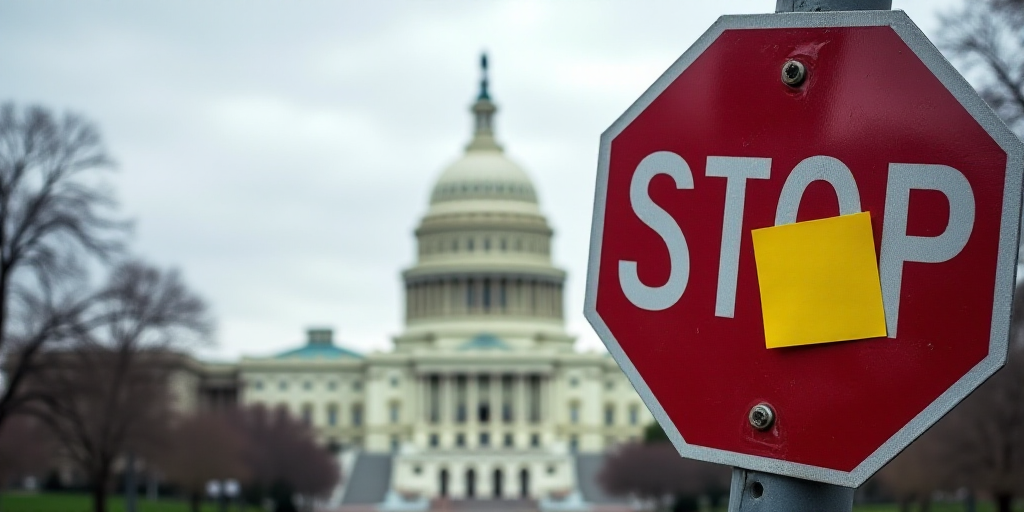
The United States Senate, specifically the Democratic block, has once again thwarted the approval of a funding bill that would allow the government to reopen. This marks the third week of the government shutdown, with the Senate being deadlocked over disagreements between the two parties. The situation has become a significant point of contention, with key figures involved shaping the narrative and impacting the ongoing negotiations.
John Thune, the Republican leader in the Senate, and Chuck Schumer, the Democratic leader, are central figures in this ongoing saga. Thune has accused the opposition of attempting to frame the shutdown as a “Republican crisis” centered around the Affordable Care Act (ObamaCare), which was established by Democrats. Meanwhile, Schumer and the Democratic bloc have maintained their stance, insisting on including an extension of Affordable Care Act subsidies as a prerequisite for government reopening.
Key Events and Developments
Recent Vote and Key Senators’ Positions
On Monday, the proposed funding bill received 50 affirmative votes from Republicans and 43 negative votes from Democrats, falling short of the required minimum 60 votes for approval. Despite continuous support from Democratic Senator Catherine Cortez Masto of Nevada and independent Angus King of Maine, the bill lacked the participation of Democratic Senator John Fetterman of Pennsylvania. Republican Senator Rand Paul of Kentucky joined the Democratic opposition, reinforcing their consistent stance.
Rhetoric and Blame Game
During the debate, Democratic leaders criticized the Republican stance, highlighting the impending expiration of Affordable Care Act subsidies by year-end and accusing Republicans of inaction while government employees continue to work without pay. In response, Thune deflected blame onto the Democrats, asserting that they are solely responsible for the looming fiscal cliff created by ObamaCare credits and attempting to shift responsibility onto Republicans.
Impact and Future Outlook
As the Senate remains gridlocked, the government shutdown has entered its third week and is now the second longest in U.S. history, trailing only the 35-day shutdown between 2018 and 2019, which was sparked by President Trump’s demand for border wall funding. Despite the ongoing impasse, another vote on the temporary funding bill is expected this Wednesday.
Key Questions and Answers
- What is the current status of the government shutdown? The U.S. government has been shut down for three weeks, making it the second-longest shutdown in history.
- Who are the key figures involved in this situation? John Thune, the Republican leader in the Senate, and Chuck Schumer, the Democratic leader, are central figures shaping the narrative and impacting negotiations.
- What is the main point of contention between the two parties? The disagreement revolves around including an extension of Affordable Care Act subsidies as a condition for reopening the government.
- What is the expected next step? The Senate is expected to vote again on the temporary funding bill this Wednesday.




