1. The First Mexican Film Nominated for an Oscar
Directed by Roberto Gavaldón in 1959, “Macario” is one of the most iconic Mexican films, portraying life’s fragility, hunger, death, and symbols now associated with the Mexican Day of the Dead festivity. In 1961, it made history as the first Mexican film considered by Hollywood’s Academy in the Best Foreign Language Film category.
- Historical Significance: Macario was the first Mexican film nominated for an Oscar, marking a significant milestone in Mexico’s cinematic history.
- Previous Accolades: In 1960, Ignacio López Tarso won Best Actor at the San Francisco Film Festival, and Gabriel Figueroa received recognition for Best Cinematography at the Cannes Film Festival.
2. A Tale Connecting Bruno Traven, Emilio Carballido, and Mexican Oral Tradition
The screenplay was directly supervised by Bruno Traven, the original cuento’s author, who collaborated with Roberto Gavaldón and dramaturge Emilio Carballido. The story draws from colonial legends about pacts with death, realism magic, and European influences like the Grimm brothers’ cuento “Los tres hombres que encontraron la muerte”.
3. A Production Defying the Decline of Mexican Cinema
Filmed during the waning days of Mexico’s Golden Era of cinema (when financial crises, creative exhaustion, and the rise of television posed challenges), Macario became a turning point. The Banco Nacional Cinematográfico (Bancine) championed the film to revitalize Mexican narrative. Produced by Clasa Films in just five weeks, it was shot in black and white with Gabriel Figueroa’s renowned direction of photography.
4. Death as the Central Character and Symbol of Day of the Dead
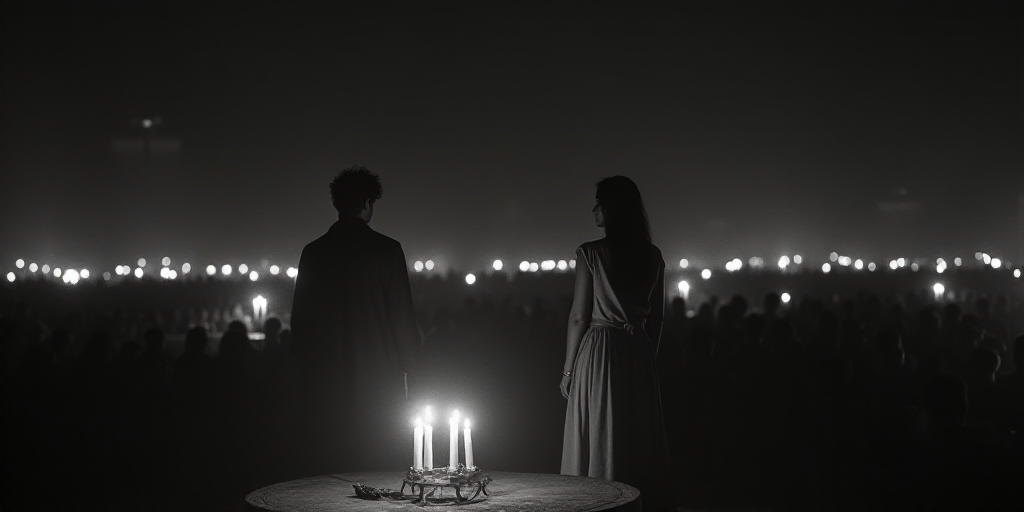
Interpreted by Enrique Lucero, death appears as a silent, humble, and approachable figure. It’s not terrifying but inevitable and fair. This portrayal, along with elements like candles, offerings, food, and the desire to share, transformed Macario into one of the earliest cinematic representations of Day of the Dead reaching international audiences.
5. Ignacio López Tarso and Pina Pellicer: An Unforgettable Duo
López Tarso, a young theater-trained actor, brought Macario (a destitute woodcutter obsessed with eating a guajolote) to a level of humanity seldom seen in cinema. His performance conveyed hunger, dignity, and fear of death. Pina Pellicer, as his wife, added tenderness, sacrifice, and resignation, embodying the spirit of rural Mexican women during the Viceroyalty era.
Why Macario Resonates During Day of the Dead
The film encapsulates the essence of this tradition: sharing with the deceased, acknowledging poverty and inequality, coexisting with death without fear, and accepting that everyone is subject to its will. The banquet scene with the guajolote, death’s appearance in the forest, and the use of candles and altars have made Macario a visual reference for this celebration.
Over six decades since its release, Macario transcends being just a film; it’s collective memory and a symbol of cultural resistance.