
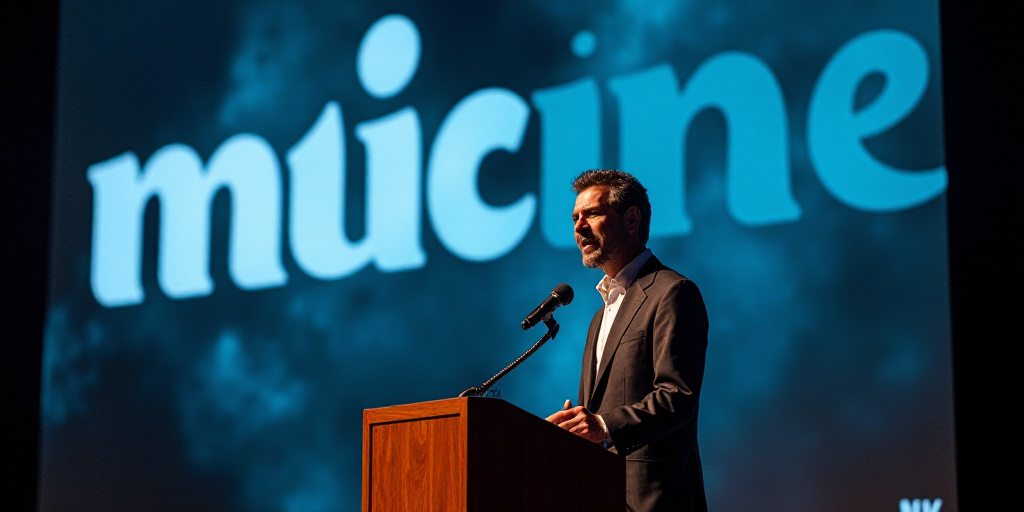
Background on Daniel Hidalgo and AMACC
Daniel Hidalgo, the president of the Academia Mexicana de Artes y Ciencias Cinematográficas (AMACC), is a prominent figure in Mexico’s film industry. As the head of AMACC, he represents and advocates for filmmakers, ensuring their voices are heard in the development of policies and regulations that impact the Mexican cinema landscape. The AMACC plays a crucial role in preserving, promoting, and fostering the growth of Mexican cinema.
AMACC’s Participation in Mi Cine Event
During the inauguration of the second edition of Mi Cine, an itinerant film showcase project reaching 93 municipalities across 29 federal entities, Hidalgo emphasized the importance of representation and diversity in Mexican cinema. The event aims to showcase films that highlight the identities of indigenous and Afro-descendant communities across Mexico, reaching over 10,000 attendees.
Key Participants in the Inauguration
- Senator Beatriz Mojica Morga, President of the Cultural Commission in the Senate
- Daniela Alatorre, General Director of the Mexican Film Institute (Imcine)
- Irma Pineda, Representative of Indigenous Peoples at the United Nations
- Carlos Hernández Vázquez, Founder of Mi Cine
- Cristián Calónico, Director of Churubusco Studios
- Christian Rubio, Representative of Racismo Mx (an NGO)
- Actors and actresses, including Mayra Batalla and Horacio García Rojas
- Writer Clyo Mendoza from Oaxaca
“Thinking of Cinema as an Industry”
Hidalgo highlighted the significance of cinema as an industry, emphasizing its economic benefits and cultural contributions. He praised the Mexican Film Institute (Imcine) for its efforts in fostering a thriving film industry through fiscal incentives like the Eficine program.
Call for a New Cinema Law
Despite acknowledging the willingness to collaborate, Hidalgo stressed the need for certainty, continuity, and transparency in legislation. He specifically called for the approval of a new Federal Cinema Law, which has been pending for many years. This law should establish clear and predictable rules for film production, exhibition, and preservation. It must also ensure stable financing mechanisms and incentives that professionalize the entire film industry, from scriptwriting to distribution.
Promoting Diversity and Inclusion
Hidalgo emphasized the importance of diversity, equality, and regional representation in Mexican cinema. He advocated for more stories featuring women, indigenous peoples, youth, and Afro-descendant communities to be reflected on-screen.
Advocating for Media Literacy and Archival Support
Lastly, Hidalgo stressed the need for legislation promoting media literacy and articulating it with state and municipal systems. He also called for the strengthening of cinematheques, archives, and community itinerant circuits, as he believes that “without memory, there is no future” for Mexican cinema.
Key Questions and Answers
- What is the Academia Mexicana de Artes y Ciencias Cinematográficas (AMACC)? AMACC is a prominent organization representing and advocating for filmmakers in Mexico, ensuring their voices are heard in shaping cinema policies and regulations.
- What is the significance of the new Cinema Law? The new law aims to establish clear and predictable rules for film production, exhibition, and preservation. It also seeks stable financing mechanisms and incentives to professionalize the entire film industry.
- Why is media literacy important for Mexican cinema? Media literacy promotes a better understanding of film as an art form and its cultural impact, fostering informed audiences and contributing to the growth of a sustainable film industry.
- What role do cinematheques and archives play in Mexican cinema? Cinematheques and archives serve as repositories of Mexican film history, preserving and promoting the nation’s cinematic heritage for future generations.




