
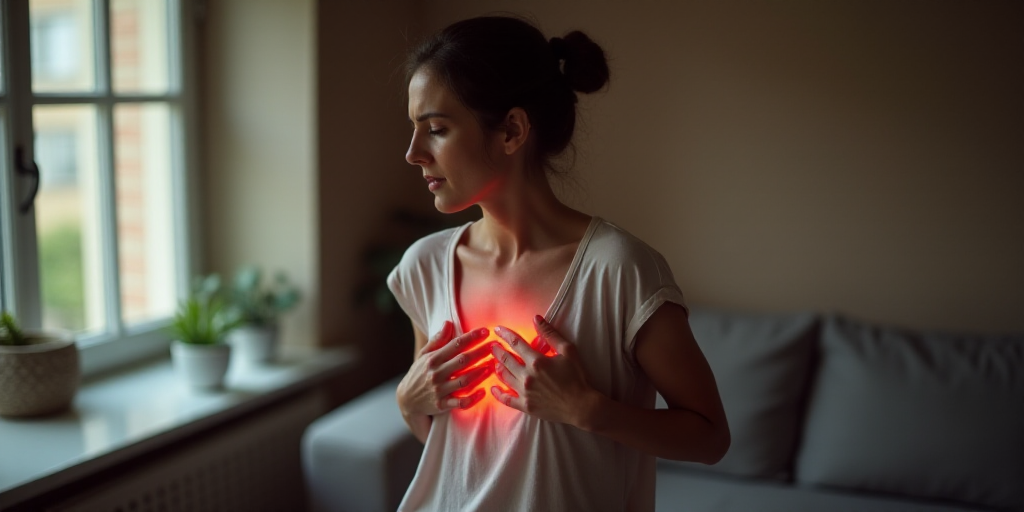
Understanding Breast Cancer and Its Impact in Mexico
Today, on World Breast Cancer Day, Mexico renews its call for early detection and timely attention to breast cancer, the leading cause of death from malignant tumors in women.
In this context, self-breast examination emerges as a crucial tool for personal care that, while not replacing clinical tests like mammography, allows women to familiarize themselves with their bodies and detect warning signs.
Who should know about self-breast examination?
Every woman aged 20 or older in Mexico should be aware of the self-breast examination technique, as clinical breast examination is recommended from age 25, and screening with mammography is advised for women aged 40 to 69 if it hasn’t been done previously.
How to Perform a Self-Breast Examination?
On this 19th of October, promoting regular self-review habits and seeking professional help for any changes becomes particularly relevant. Although the technique may vary slightly depending on the source, in Mexico, follow these basic steps:
- Visual inspection in the mirror: Stand up with arms by your sides and observe your breasts. Check their shape, size, skin, and nipples. Then, raise your arms and observe for asymmetries, dimpling, texture changes, or any discharge.
- In the shower or with wet skin: With your right arm raised behind your head, use your left hand to examine your right breast (and vice versa), starting from the outside and moving towards the nipple, including the armpit.
- Lying down examination: Lie on your back with a pillow or towel under your right shoulder, arm behind your head. Use your left hand to examine your right breast in circular motions, covering the entire area (including armpit) and gently press on the nipple to check for any discharge; then repeat on the left side.
- Regular monthly reviews: Perform this procedure once a month, preferably 7 days after the start of your menstrual period, or on the same day each month if you no longer menstruate.
- Pay attention to warning signs: If you find lumps, fixed nodules, skin color or texture changes, nipple retraction, abnormal discharge, or persistent pain, seek immediate attention from a healthcare professional.
While some guides may suggest varying numbers of “steps,” the essential aspect is that self-examination should be done regularly and thoroughly, including the armpits, in addition to combining it with other detection strategies based on age and personal conditions.
Mexican Context
The Mexican Social Security Institute (IMSS) states that when breast cancer is diagnosed early, the 5-year survival rate exceeds 90%. However, in advanced stages, this figure drops to less than 30%.
Therefore, awareness campaigns around October 19 emphasize the importance of women knowing their bodies and acting upon warning signs.
Key Questions and Answers
- What is self-breast examination? Self-breast examination is a personal check of your breasts for any changes or abnormalities. It’s an essential part of early detection and doesn’t replace professional clinical examinations.
- Who should perform self-breast examination? All women aged 20 and above are encouraged to learn and perform this examination regularly.
- How often should self-breast examination be done? It is recommended to conduct this examination once a month, preferably around the same time each cycle.
- What should I look for during self-breast examination? Pay attention to any changes in breast shape, size, skin texture, nipple discharge, or lumps. Also, check for changes in the armpit area.
- What actions should I take if I find something unusual? If you notice any changes or abnormalities, consult a healthcare professional immediately.




