
Sustainability Takes Center Stage
Corona Capital 2025 kicked off its edition with a powerful blend of collective energy, history, and a strengthened commitment to sustainability. Thousands of fans gathered at Curva 4 of the Hermanos Rodríguez Autódromo to celebrate a weekend coinciding with the festival’s 15th anniversary and Corona’s 100th birthday, blending memorable music, special activations, and new sustainability initiatives.
Samantha Konstat, Ocesa’s Festival Manager, explained that sustainability transitioned from an invisible process to an active part of the audience’s experience. “This year, our goal was to bring sustainability to the forefront—what attendees touch and enjoy,” she said.
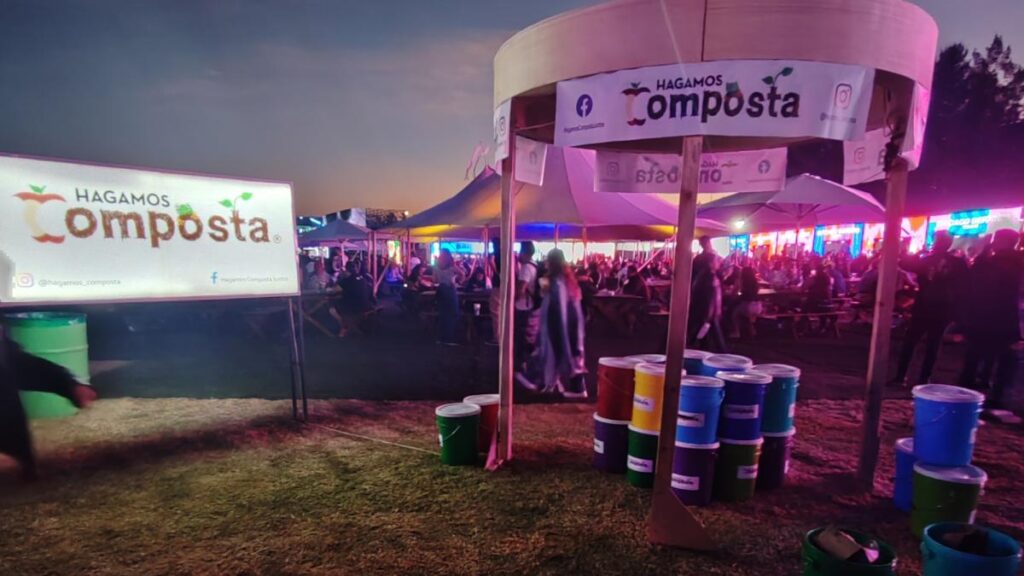
Konstat elaborated that while sustainability often focuses on internal operations, waste management, or energy, this edition aimed for direct audience interaction with these initiatives. One key action is the partnership with Hagamos Composta, which returns after its 2024 implementation when nearly 2 tons of organic waste were collected. Now, they’re present in seven food areas, guiding attendees on waste separation, compostable materials, and reutilization practices.
Oasis by Mindsurf: Emotional Well-being Within the Festival
Corona Capital also introduced Oasis by Mindsurf, a space dedicated to mental well-being and harm reduction. Operated by Mindsurf, a Mexican AI-driven mental health platform, the space offers:
- Clinical psychologists specializing in First Aid Psychological (PFA) guidelines from the WHO.
- Emotional support before, during, and after the event.
- A sensory environment designed to regulate emotions, breathe, and pause.
- Well-being facilitators and an emotional security coordinator.
The integration of Oasis aligns with Konstat’s vision for an inclusive, responsible, and holistic audience experience at the festival.
Merch with a Cause: Artisanship, Recycling, and Support for Migrant Women
Corona Capital’s sustainability extends to its official merchandise, a space that gains special relevance in this edition for its social focus and support of artisan communities and circular economy projects.
According to Konstat, one of the festival’s biggest challenges is for attendees to know where these products come from and who makes them, as each piece represents community work aiming to transcend the event.
Among the most representative items is the handcrafted commemorative poncho from artisans in Chiautempan, Tlaxcala, a community known for its textile tradition. The design revisits traditional techniques and symbolizes the festival’s collaboration with cultural identity projects integrated annually into the experience.
Additionally, the Básicos de México line expands its commitment to recycled materials with hoodies, t-shirts, and accessories made from recovered textiles and low-impact production processes. These are complemented by recycled canvas bags, aiming to reduce plastic use and offer more durable alternatives for attendees.
The festival also presents the Taller Abierto initiative, where six migrant women handcraft keys and dog collars. This project not only generates income but also strengthens capacities and offers opportunities to vulnerable women in Mexico City.
Inclusion and Accessibility: Music for All
Corona Capital also maintains programs like VIBRA, allowing deaf or hard-of-hearing individuals to experience music through:
- Vibrating vests
- Mexican Sign Language interpreters (LSM)
The festival continues to promote artisan communities, cultural identity projects, graphic collectives, and small business food trucks, as well as responsible consumption models in collaboration with civil associations.
For Konstat, these actions all contribute to the same goal: connecting fans with product origins and making visible the positive impact the festival can generate. “The biggest challenge is for people to learn about these initiatives and where each piece comes from,” she affirmed.
Key Questions and Answers
- What is Corona Capital 2025’s focus? The festival emphasizes sustainability, emotional well-being, and inclusivity.
- What are the sustainability initiatives? Composting through Hagamos Composta, mental well-being space Oasis by Mindsurf, and socially responsible merchandise.
- How does the festival support artisan communities and migrant women? Through initiatives like Taller Abierto, which employs and upskills migrant women in crafting items.
- What accessibility features are available? Vibrating vests and sign language interpreters for deaf or hard-of-hearing attendees.




