
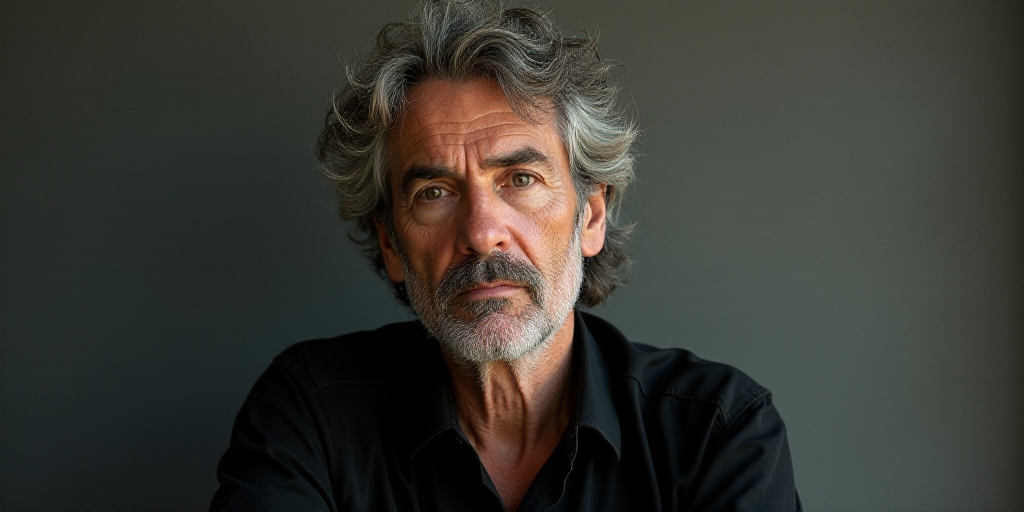
Background on David Toscana
David Toscana is a renowned Mexican writer, part of the literary movement known as “Generación del Crack” that emerged in Mexico City three decades ago. Simultaneously, in Monterrey, Toscana was a member of “El Panteón,” another group of writers. His unique writing style and significant contributions to Spanish-language literature have earned him international recognition.
The Alfaguara Novel Prize 2026
The Alfaguara Novel Prize is one of the most prestigious literary awards in the Spanish-speaking world, offering a substantial cash prize of $175,000, an award sculpture by Martín Chirino, and simultaneous publication across all Spanish-speaking countries. This year, the prize received a record number of 1,140 manuscripts from various Spanish-speaking countries, including España, Argentina, México, Colombia, and the United States.
Toscana’s Winning Novel
David Toscana’s novel, “El Ejército Ciego” (The Blind Army), was chosen as the winner by a unanimous decision of the jury. The novel, narrated in first person, combines testimony, legend, and dark humor to create a grand epic for the defeated. The jury praised its unique tone and poetic style, highlighting how it reflects contemporary metaphors through a historical lens.
Jury’s Perspective
Jorge Volpi, the jury president and fellow Mexican writer, spoke about Toscana’s work: “For 30 years, while a group of writers in Mexico City created ‘Generación del Crack,’ another group, including David Toscana, formed ‘El Panteón’ in Monterrey. Since then, Toscana has crafted one of the most singular and fascinating works in the Spanish language. His novel, ‘El Ejército Ciego,’ references a distant 11th-century event in the Balkans, yet mirrors many metaphors of our time. The emperor blinding his enemies symbolizes the consequences of power and authority, a theme relevant to today’s conflicts.”
Toscana’s Writing Philosophy
When asked about his writing process, Toscana explained: “I didn’t set out to address contemporary issues when crafting ‘El Ejército Ciego.’ However, once I established an allegory, metaphor, and characters rooted in classical literature, the novel began to speak for itself. As a writer, I must let go of injecting contemporary conflicts manually into the novel. Instead, by drawing on classical ideas about novels, they inherently reflect our era.”
Inspiration for the Novel
Toscana drew inspiration from “Skylitzes Matritensis,” a 12th-century text by Juan Escilitzes detailing the reigns of Byzantine emperors from the early 9th century to mid-11th century. He described Madrid as the source of this remarkable text for recounting Balkan history.
The Jury
Alongside Volpi, the jury consisted of Argentine writer Agustina Bazterrica, Mexican writer Brenda Navarro, Spanish cultural journalist Óscar López, and editor Camila Enrich Schröder. Pilar Reyes, Director Editorial of Penguin Random House’s Literary Division, participated with a consultative voice but no vote.
Key Questions and Answers
- Who is David Toscana? A prominent Mexican writer and part of the “Generación del Crack” movement, as well as a member of “El Panteón” in Monterrey.
- What is the Alfaguara Novel Prize? An esteemed Spanish-language literary award offering a cash prize, sculpture, and simultaneous publication across Spanish-speaking countries.
- What is “El Ejército Ciego” about? A novel narrated in first person, blending testimony, legend, and dark humor to create a grand epic for the defeated. It reflects contemporary metaphors through historical events.
- What is Toscana’s writing philosophy? He lets his novels speak for themselves by grounding them in classical literature ideas, allowing contemporary themes to emerge organically.
- What inspired “El Ejército Ciego”? Toscana drew inspiration from “Skylitzes Matritensis,” a 12th-century text about Byzantine emperors, which he used to recount Balkan history.




