
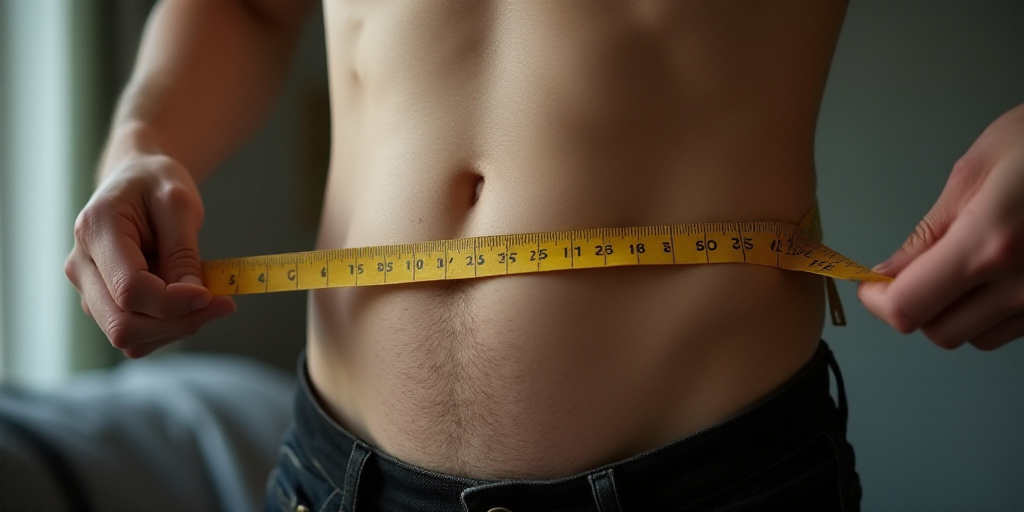
Background on the Issue
While December is often associated with celebration and togetherness, health experts caution that it also brings an increase in cardiovascular risks and weight gain. Cardiologists and bariatricians have noted that December records one of the largest spikes in cardiac emergencies throughout the year, with mortality rates potentially rising by 3% to 5% compared to other months.
Reasons Behind the Increase
Several factors contribute to this rise, including abundant meals, excessive salt and fat intake, increased alcohol consumption, accumulated stress, and drastic temperature changes. For individuals with hypertension, diabetes, obesity, or family history, these elements compound the risk of cardiovascular issues.
Weight Gain During the Holiday Season
Dr. David Montalvo Castro, a bariatrician, highlights that December is particularly critical due to the significant increase in caloric intake. Even small weight gains can take weeks of discipline to reverse.
- Adult Men: 2 to 3 kg
- Adult Women: around 4 kg
- Children: approximately 2 kg
For those already dealing with obesity, the weight gain can double:
- Adult Men: up to 4 kg
- Adult Women: 6 kg or more
- Children: 3 to 4 kg
Dr. Montalvo Castro emphasizes that these increases should not be underestimated, as losing 5 to 6 kg is manageable, but regaining 12 to 15 kg or more can take over two months of strict dietary control.
Medication Interruptions and Risks
It’s common for patients managing hypertension, diabetes, dyslipidemias, or other complications to suspend medication during holiday celebrations in favor of alcohol consumption. This decision increases the risk of experiencing cardiovascular or metabolic events, such as hypertensive crises or sudden spikes in blood glucose levels requiring urgent medical attention.
Recommendations for a Healthier December
While exercise helps maintain stable weight and blood pressure, diet remains the most influential factor. Here are some recommendations from Dr. Montalvo Castro:
- Eat plenty of vegetables and low-calorie salads.
- Stay hydrated with natural water and avoid sugary drinks.
- Choose steamed, baked, or grilled white meats accompanied by vegetables.
- Opt for seasonal fruits.
- Avoid prolonged fasting.
- Reduce refined grains, fats, and sugars.
- Control portion sizes and avoid snacking between meals.
- Eat slowly and savor your food.
- Maintain regular physical activity.
Key Questions and Answers
- Q: Why does December see a rise in heart events and weight gain? A: The holiday season brings abundant meals, increased alcohol consumption, stress, and temperature changes, which compound risks for those with pre-existing conditions like hypertension, diabetes, or obesity.
- Q: How much weight can people gain during December? A: Adult men may gain 2 to 3 kg, adult women around 4 kg, and children approximately 2 kg. For those with obesity, the gains can double.
- Q: Why is it difficult to lose weight after December gains? A: Losing 5 to 6 kg is manageable, but regaining 12 to 15 kg or more can take over two months of strict dietary control.
- Q: What risks do medication interruptions pose during the holidays? A: Suspending medication for hypertension, diabetes, or dyslipidemias to consume alcohol during celebrations increases the risk of cardiovascular or metabolic events, such as hypertensive crises or sudden spikes in blood glucose levels.
- Q: What dietary recommendations do experts provide for a healthier December? A: Experts recommend eating more vegetables and low-calorie salads, staying hydrated with water, choosing lean white meats cooked without added fats, opting for seasonal fruits, avoiding prolonged fasting, reducing refined grains, fats, and sugars, controlling portion sizes, eating slowly, and maintaining regular physical activity.




