
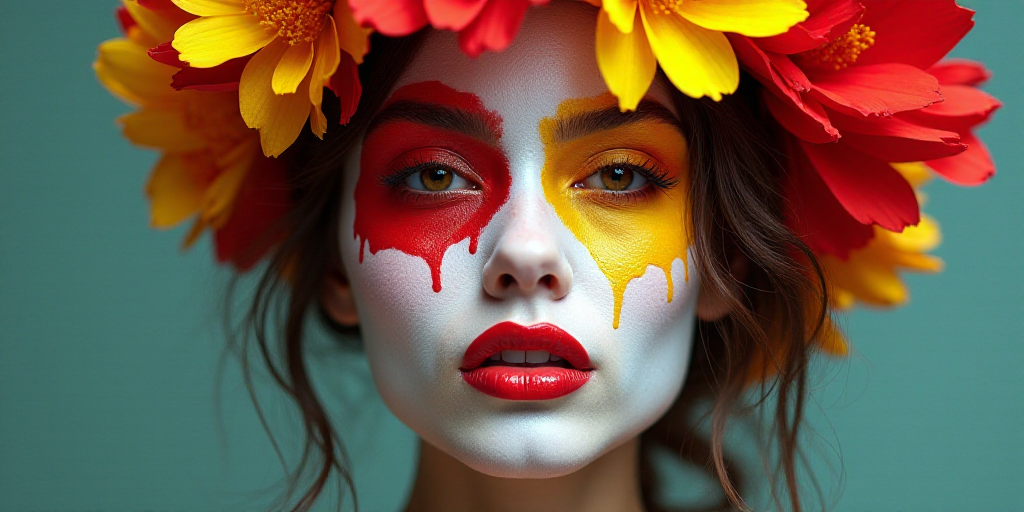
Introduction to Day of the Dead (Día de Muertos)
Day of the Dead, or Día de Muertos, is a vibrant and emotional Mexican tradition that honors deceased loved ones. This cultural celebration, deeply rooted in indigenous beliefs and Catholic influences, brings millions of people together to remember their departed family members through elaborate altars called “ofrendas.”
The Significance of Ofrendas
At the heart of Día de Muertos are “ofrendas,” which serve as a sacred space to celebrate and remember the lives of those who have passed away. These altars are adorned with marigold flowers (cempasúchil), photographs of the deceased, and personal items that belonged to them in life. The offerings also include traditional Mexican foods and beverages, symbolizing nourishment for the soul’s journey.
Symbolism in Ofrendas
- Marigold Flowers: Their vibrant color and strong scent guide the spirits of the departed back to their earthly homes.
- Photographs: Represent the individuals being honored, ensuring their memory remains vivid in the hearts of family members.
- Personal Items: Objects that belonged to the deceased, such as clothing, books, or hobbies, symbolize their unique identities and interests.
- Food and Beverages: Offerings of favorite dishes and drinks serve as sustenance for the souls during their journey.
Public Celebrations and Processions
In Mexico City, authorities organize a grand Day of the Dead parade along Paseo de la Reforma, one of the capital’s most significant avenues. The streets come alive with vibrant colors as participants dress up as skeletons and elegantly dressed “catrinas,” paying homage to the central symbols of the celebration.
The Cult of Santa Muerte
In the popular Tepito neighborhood, residents gather to celebrate the worship of Santa Muerte, a folk deity not recognized by the Catholic Church. Devotees visit her santuary to seek various blessings, often represented by a figure holding a scythe and a globe.
Intimate Family Remembrance
Alongside public festivities, countless families create their own ofrendas at home or in cemeteries to remember their departed relatives. These personal altars serve as a poignant reminder of the enduring bonds between the living and those who have passed.
Key Elements of Intimate Ofrendas
- Marigold Flowers: Their scent and color guide the spirits back to their loved ones.
- Photographs: Honor the memory of those who have passed.
- Personal Items: Celebrate the unique identities and interests of the deceased.
- Candles: Symbolize the path for spirits to return home.
- Pan de Muerto: Sweet bread shaped like skulls and bones, representing the cycle of life and death.
Key Questions and Answers
- What is Day of the Dead? Día de Muertos is a Mexican tradition honoring deceased loved ones through vibrant altars called “ofrendas.”
- What are the key symbols in Ofrendas? Marigold flowers, photographs, personal items, food and beverages, candles, and Pan de Muerto are essential symbols in ofrendas.
- How is Day of the Dead celebrated publicly? Through grand parades in cities like Mexico City, featuring skeletons and elegantly dressed “catrinas” as central symbols.
- What is the cult of Santa Muerte? A folk belief centered around a deity not recognized by the Catholic Church, worshipped for various blessings.
- How do families commemorate their loved ones during Día de Muertos? By creating personal ofrendas at home or cemeteries, incorporating marigold flowers, photographs, personal items, candles, and Pan de Muerto.




