
Overview and Importance of the Topic
In recent decades, the Latin American region, represented by the Economic Commission for Latin America and the Caribbean (CEPAL), has experienced a consistent decline in fertility rates. This shift presents new demographic, economic, and social challenges.
Regional Fertility Trends
As of 2024, the total fertility rate in Latin America and the Caribbean stands at 1.8 children per woman, falling below the replacement threshold of approximately 2.1 children.
Policy and Access Impact
Since 2015, 76% of the region’s countries have reported fertility rates below 2.1, demonstrating how global fertility rates have contracted due to public policies on family planning and increased access to contraceptive methods and other reproductive and sexual rights.
Mexico’s Fertility Rate Trends
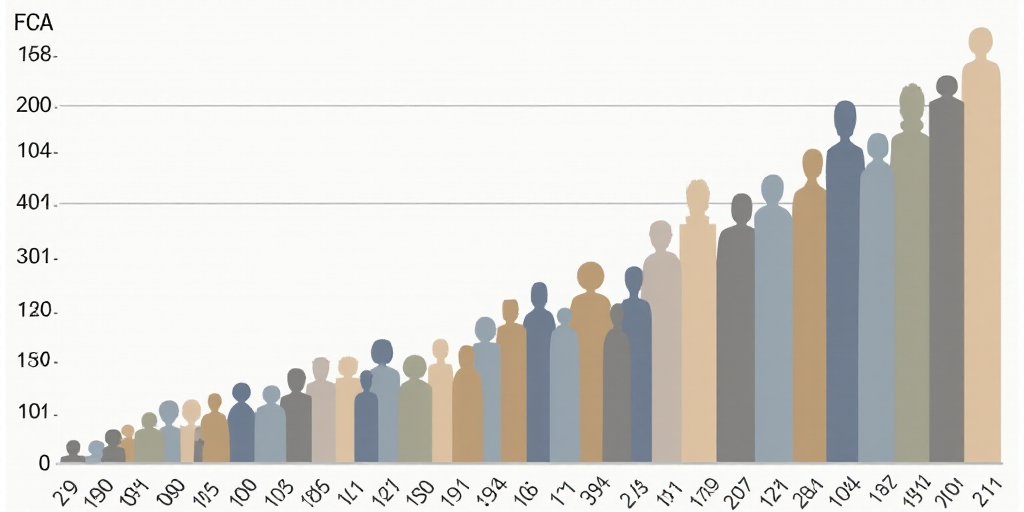
In Mexico, the average number of children per woman has decreased from 3.44 in 1990 to 1.89 in 2024, mirroring the regional trend.
Context and Relevance
Understanding fertility rates in Latin America is crucial for policymakers, as it impacts population growth, labor force dynamics, and social services. The decline in fertility rates has significant implications for the region’s economic development and social structures.
Key Questions and Answers
- What are fertility rates? Fertility rates measure the average number of children born to women during their reproductive years.
- Why are fertility rates important? Fertility rates influence population growth, labor force dynamics, and the demand for social services.
- What factors contribute to changes in fertility rates? Factors include family planning policies, access to contraception, socioeconomic development, and changing societal norms.
- How do declining fertility rates affect Latin America? Declining fertility rates can lead to an aging population, labor shortages, and shifts in economic structures. However, they can also result in reduced pressure on resources and increased investment opportunities.
- What role do public policies play in shaping fertility rates? Public policies on family planning, access to contraception, and reproductive rights can significantly influence fertility rates.




