
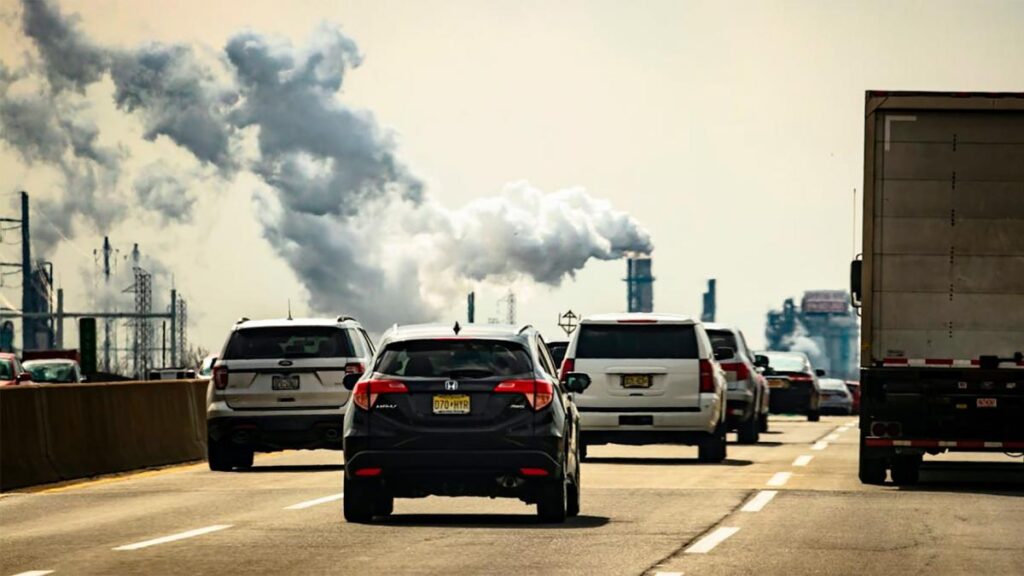
Climate Change: An Urgent Reality Affecting Mexico
Climate change is no longer a distant threat but an immediate and measurable reality. Recent international reports confirm that greenhouse gas emissions continue to rise at an alarming rate, with direct consequences for the planet and countries like Mexico, which face critical challenges in their path towards sustainability.
The World Meteorological Organization (WMO) warned that in 2023, concentrations of greenhouse gases reached unprecedented levels, solidifying a trend that ensures continued rising temperatures over the coming decades. The report highlights that never before in history has there been such an accelerated growth in the accumulation of carbon dioxide (CO₂) in the atmosphere: in just twenty years, the increase already exceeds 10%.
Mexico faces a climate challenge: In 2021, it generated 714 million tonnes of CO₂ equivalent, representing 1.4% of global emissions, with the combustion of fossil fuels, agriculture, and waste being the main sources.
Agricultural Emissions in Mexico
This scenario underscores the urgency for solutions that allow reducing greenhouse gas emissions and advancing towards a more sustainable development model.
Moreover, nitrogen fertilization is one of the main sources of óxido nitroso (N₂O) emissions in Mexican agriculture, a gas with a much higher global warming potential than CO₂.
According to a historical analysis conducted between 1980 and 2014, these agricultural practices contribute around 50.4% of the total sector emissions, measured in CO₂ equivalent units (Agricultural Sciences).
AGCLIMATE: Climate Innovation to Transform Agriculture
In this context, international initiatives like AGCLIMATE stand out. Led by the Finnish Meteorological Institute and involving research institutions and companies like Vaisala, recognized for its environmental measurement technology, the project aims to clearly reduce emissions from the agri-food sector through innovation, high-quality data, and effective climate actions. This approach could also make a difference in countries like ours.
AGCLIMATE’s Objectives
- Developing climate-smart agricultural practices
- Building a real-time monitoring system for carbon balance and N₂O emissions
- Integrating these metrics into farm-level and product carbon footprint calculations
- Promoting low-emission foods as a commercial opportunity for the sector
Alberto Cortés, Vaisala’s Director for Latin America and the Caribbean, emphasizes: “Reliable data turn into valuable tools for businesses and decision-making aligned with the climate.”
Key aspects include measuring CO₂ in greenhouses for improved productivity and environmental control, ensuring adequate ventilation in livestock facilities for animal welfare, and efficient water management based on rainfall and reservoir level monitoring to optimize irrigation and prevent water waste.
AGCLIMATE, running until December 2027, will cover three agricultural cycles and incorporate cultivation practices, life-cycle analysis, advanced monitoring, and international validation. The project’s outcomes will refine the climate performance of food production and assist businesses in adapting to future regulations and market standards.




