
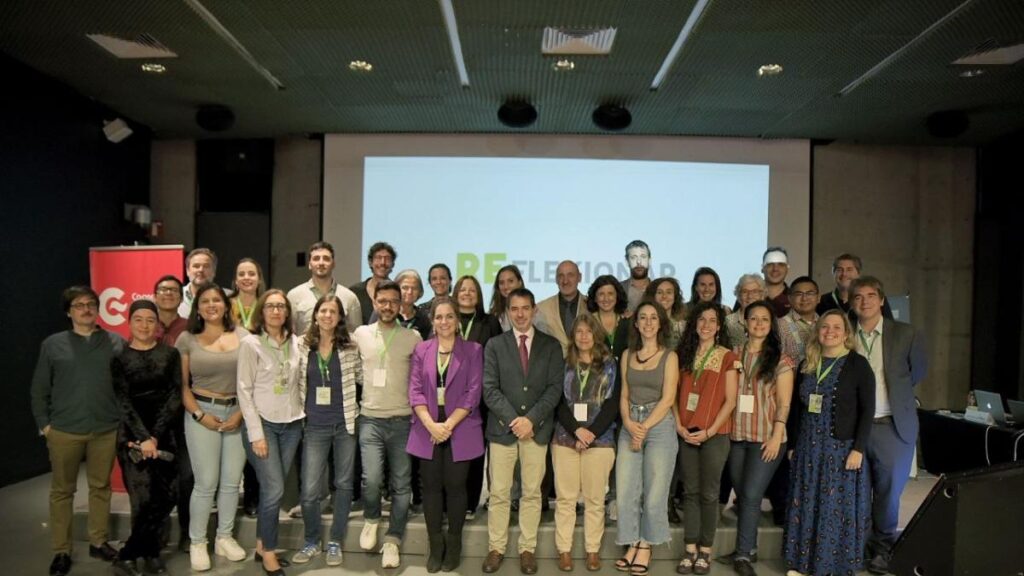
Introduction to RECEMX and the Mental Health Initiative
The Network of Spanish Scientists in Mexico (RECEMX) has launched the fifth edition of its Science Days, an event that this year addresses a pressing global issue increasingly visible within the academic community: mental health. In an interview with El Economista, María Salud Rubio Lozano, president of RECEMX, and Bianca Ugarte Plata, director of strategic linking at the network, discussed the details of this gathering aimed at fostering dialogue and providing concrete tools for a more supportive and sustainable scientific community.
The Urgency of Mental Health in the Academic World
By 2025, the focus on mental health was chosen due to a problem felt by the scientific community, exacerbated by high expectations, productivity as the supreme value, and the reality of migration for RECEMX members. Rubio Lozano explained that blending science with mental health is the goal of these days, creating a space to analyze, understand, and even cathartically address the challenges surrounding their work in an environment outside their homeland amidst high competition and workload.
Key Themes: From Academia to AI
The agenda for the fifth edition will feature panels and workspaces to address mental health from various angles, including academic pressures through productivity expectations, performance, and their impact on emotional well-being. Gender dimensions will also be explored, addressing specific challenges women face in science, as well as migration-related issues such as the “Ulysses syndrome” (migratory grief) and difficulties in establishing support networks outside their home countries.
A new section, TRANSFERENCIA, will analyze the psychosocial impact of Artificial Intelligence (AI) and digital health, featuring innovative projects from UNAM and AI specialists.
Migration and the Hidden Grief
Rubio Lozano emphasized that RECEMX members not only face scientific pressure but are also migrants. A central panel will address the deep emotional and identity costs researchers encounter while living and working outside their home countries, challenging the notion that mobility is merely a “privilege.”
Ugarte Plata explained that while science constantly promotes mobility as a stimulus and privilege, it overlooks the emotional cost and identity implications. She discussed migratory grief, highlighting that the short-term, medium-term, and long-term identity, attachment, and support network costs of mobility are often unrecognized. This leaves researchers with extensive experience in Mexico, like the organization’s president who has lived in Mexico for 30 years, in an identity limbo. For those who frequently move, there’s a limbo where their attachment to their home country no longer feels as strong as in the host country.
The panel will be crucial in dismantling the “don’t complain, it’s a privilege” mindset and center the conversation on the real psychological impact of being a transnational researcher.
Towards a Culture of Self-Care and Supportive Science
A cornerstone of the event is promoting self-care, an often neglected concept in the scientific environment. Rubio Lozano expressed the desire for new digital tools and AI to enhance researchers’ management capabilities. Ugarte Plata emphasized the importance of collaboration and humility in this process, encouraging researchers to embrace learning from others and acknowledging their lack of certain tools.
The ultimate goal of these Science Days is to foster a more supportive and sustainable scientific community. RECEMX has committed to creating a document and memorial reflecting the community’s sentiments, serving as a foundation for future actions on mental health and well-being. This exercise is deemed essential by the interviewees for placing the health and well-being of academic members at the forefront.
Key Questions and Answers
- What is RECEMX? The Network of Spanish Scientists in Mexico (RECEMX) is an organization established in 2017, part of RAICEX, representing a diverse and multidisciplinary community present in 21 Mexican states. It promotes bilateral scientific cooperation and knowledge dissemination.
- Why is mental health a priority for RECEMX? High expectations, productivity as the supreme value, and migration realities for its members have created a pressing need to address mental health within the scientific community.
- What topics will be covered during the Science Days? The event will explore mental health from various angles, including academic pressures, gender dimensions, migration challenges, and the psychosocial impact of AI and digital health.
- What is the significance of the “migration and hidden grief” panel? This panel aims to challenge the notion that mobility is a privilege and shed light on the unrecognized emotional and identity costs of being a transnational researcher.
- What are the goals of these Science Days? The primary objective is to promote a culture of self-care and support within the scientific community, ultimately fostering a more sustainable and empathetic environment for researchers.




