
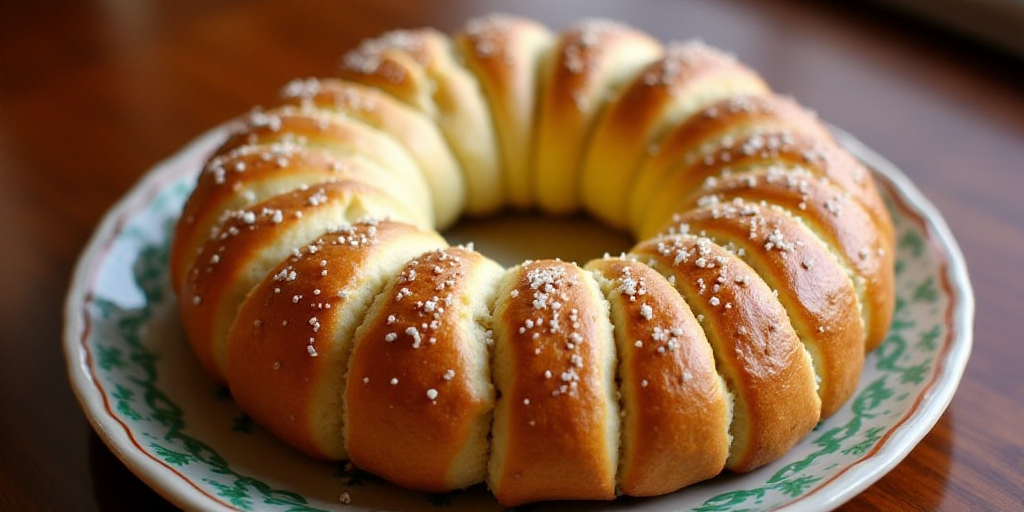
The Anticipation of the Rosca de Reyes
One of the most eagerly awaited dates by children and food lovers in Mexico is undoubtedly January 6th. Not only because toys are exchanged with the little ones in their homes, but also because the traditional serving of Rosca de Reyes arrives.
Beyond Ordinary Bread
As our colleagues at Bistronomie aptly put it, “It’s not just any bread.” Its presence activates a collective ritual made up of repeated gestures, nervous laughter, and future promises.
Sharing a Centuries-Old Story
Cutting the Rosca de Reyes is, above all, sharing a story that has been told for centuries through bread.
Acquiring the King’s Bread
The Rosca de Reyes can be purchased at your heart’s panadería or at some with greater national presence. Alternatively, you can find it at La Pilarica Karsapan, located in the historic center area. Prices will vary depending on size, ranging from 150 to 450 pesos.
Context and Relevance
The Rosca de Reyes, or King’s Bread, is a traditional Mexican bread consumed during the celebration of the Epiphany on January 6th. This custom is deeply rooted in Mexico’s cultural and religious heritage, symbolizing unity, sharing, and the magi’s journey to honor the newborn Jesus.
The bread itself is a sweet, round loaf, adorned with colorful gelatinous figurines representing the three wise men and dried fruits, typically oranges and cherries. Hidden within the bread is a small figurine of the Baby Jesus, signifying that whoever finds it in their portion is responsible for hosting the following year’s Rosca de Reyes gathering.
This tradition transcends mere consumption, as it fosters a sense of community and continuity. It connects present-day Mexicans with their ancestors who first celebrated this event, ensuring the preservation of cultural practices and values.
Impact on Society
The Rosca de Reyes celebration encourages social interaction and strengthens familial bonds. It provides an opportunity for people to gather, share stories, and indulge in a sweet treat. The act of cutting the bread and searching for the hidden figurine instills a sense of anticipation and excitement, especially among children.
Moreover, the Rosca de Reyes tradition supports local bakeries and businesses. As people seek out this specific bread for their celebrations, these establishments experience increased demand and revenue. This, in turn, contributes to the local economy and preserves artisanal baking skills.
Key Questions and Answers
- What is the Rosca de Reyes? The Rosca de Reyes, or King’s Bread, is a traditional Mexican bread consumed during the Epiphany celebration on January 6th. It is a round, sweet loaf decorated with colored gelatinous figurines and dried fruits, with a small figurine of the Baby Jesus hidden inside.
- Why is the Rosca de Reyes significant? The Rosca de Reyes symbolizes unity, sharing, and the magi’s journey to honor the newborn Jesus. It connects present-day Mexicans with their ancestors and fosters a sense of community and continuity.
- Where can I buy Rosca de Reyes? You can purchase Rosca de Reyes at local panaderías, or at establishments like La Pilarica Karsapan in the historic center area. Prices vary depending on size.
- What happens if I find the Baby Jesus figurine? If you find the hidden Baby Jesus figurine in your portion of Rosca de Reyes, you are responsible for hosting the following year’s celebration.




