
Overview
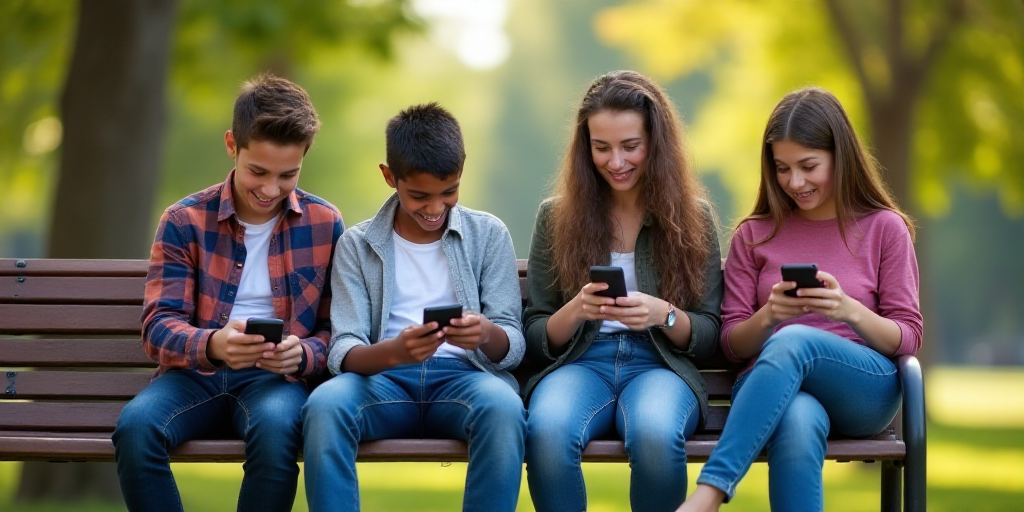
Spain and Greece have proposed banning social media usage for teenagers, reflecting a tougher stance by European countries against platforms they believe are designed for addiction and expose children to harmful content. Spain intends to prohibit social media use for minors under 16 years old, announced by Prime Minister Pedro Sánchez. Greece is expected to follow with a similar ban for minors under 15 years old, according to a high-ranking government source.
Background on the Issue
Governments and regulators worldwide are investigating the impact of screen time on children’s development and mental well-being. Concerns have grown as artificial intelligence (AI) content has surged online, with recent controversies involving non-consensual intimate images generated by AI, including those of minors.
Spain’s Proposed Legislation
Prime Minister Pedro Sánchez stated that Spain will introduce a law to hold social media executives personally accountable for hate speech and incitement to violence on their platforms. This legislation aims to criminalize algorithmic manipulation and the amplification of illegal content.
- Tracking hate speech online
- Implementing age verification systems that are not merely checkboxes
- Investigating potential legal infringements by Grok (Elon Musk’s chatbot), TikTok, and Instagram (Meta)
The Spanish government plans to initiate the legislative process next week, according to Sánchez. The ban will be enforced through amendments to an existing digital protection law for minors under debate in the Congress of Deputies.
An Ipsos survey from August 2023 revealed that 82% of Spaniards believe social media usage should be prohibited for minors under 14 years old both in and out of school, a 9% increase from 2024. This growing consensus supports the proposed ban.
International Context
France is working on a law to restrict social media access for minors under 15 years old, while the UK is considering similar measures but wants to observe Australia’s implementation first. The EU’s Digital Services Act, effective early 2024, mandates social media platforms to moderate content. Critics argue this creates tension between responsible governance and censorship concerns.
The recent surge in AI-generated online content has intensified the debate, with public outrage over Grok AI (Elon Musk’s chatbot) generating non-consensual intimate images, including those of minors. Some argue that proposed measures will censor criticism.
Key Questions and Answers
- What is the proposed ban about? Spain and Greece aim to restrict social media usage for teenagers under 16 and 15 years old, respectively, due to concerns about addiction, mental health, and exposure to harmful content.
- Why is this issue gaining traction? Growing concerns about the impact of screen time on children’s development and mental well-being, exacerbated by the rise of AI-generated content online.
- What specific measures are being proposed? Spain plans to hold social media executives accountable for hate speech and incitement to violence, implement age verification systems, and investigate potential legal infringements by specific platforms.
- What is the international context? Other countries like France and the UK are considering similar restrictions, while the EU’s Digital Services Act mandates content moderation from social media platforms.
- What are the criticisms? Some argue that proposed measures will censor criticism and infringe on freedom of speech.




