
Introduction
The film historian Enrique Figueroa argues that cinema has not only told stories but also shaped our modern viewing habits. The proliferation of screens has led to difficulties in deep concentration, as stated by Matt Damon during a podcast with Joe Rogan.
The Evolution of Cinema Viewing
On January 16, actors Matt Damon and Ben Affleck appeared on Joe Rogan’s podcast, discussing how cinema appreciation habits have changed and, consequently, the level of attention the audience pays to streamed films amidst home distractions and the immediacy of social media.
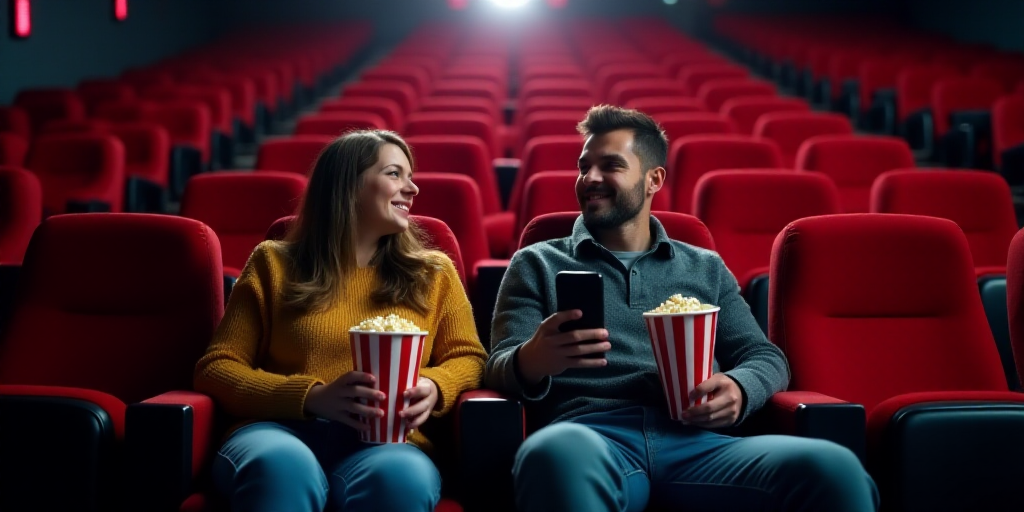
Damon explained the “second screen” phenomenon, which refers to viewers using their mobile devices simultaneously while watching TV. This behavior has only intensified since the early 2000s, especially among younger generations attracted to streaming platforms with extensive catalogs and original productions, some of which have won major film awards after limited theatrical runs.
The Evolving Audience
Has this phenomenon negatively impacted filmmaking? What does it mean for cinematic productions once the second-screen habit is firmly established?
Enrique Figueroa Anaya, a film enthusiast, historian of art, and industry insider in our country, shares his thoughts on the second-screen phenomenon. He provides historical context:
“The cinema spectator is a historical invention. It emerged at the end of the 19th century and became more successful than other inventions like the kinetoscope due to its ability to gather larger crowds. Since its inception, the spectator has been constantly evolving, transforming with cinemas clubs, drive-ins, air conditioning in theaters, and television.
“Cinema distinguishes itself through space fragmentation and emotional synchronization, among other factors, which we now know as cinematic language. However, its primary function is to manage attention,” Figueroa explains.
He continues, “This has led to an overexposure and saturation of film offerings. This saturation results in desensitization; we no longer engage with images but consume them instead.”
The Economy of Stimulation
Another factor changing cinema consumption habits, according to Figueroa, is the “economy of stimulation.”
“Streaming platforms operate on dopaminergic circuits, focusing on novelty, notifications, scrolling, and likes. This generates anticipation and small rewards, training our brains to seek constant novelty,” he says.
Despite these changes, Figueroa remains optimistic about the user’s ability to control their viewing experience at home, pausing and resuming content as needed.
“Cinema will always lean towards artistic tendencies and commercial ones. It has the vast potential for both. The cell phone hasn’t broken cinema experiences but rather revealed them,” he concludes.
Key Questions and Answers
- What is the second-screen phenomenon? It refers to viewers using their mobile devices while watching TV or movies.
- How has cinema evolved due to second-screen habits? Filmmakers now prioritize capturing attention quickly, often with big action sequences in the first few minutes to keep viewers engaged who might otherwise be distracted by their phones.
- What are the implications of the economy of stimulation on cinema? Streaming platforms use engagement tactics like novelty, notifications, and likes to keep users hooked, training their brains to crave constant new content.
- What is Enrique Figueroa Anaya’s perspective on these changes? He acknowledges the challenges but sees potential in users having more control over their viewing experiences at home.




