
The Blend of Indigenous Rituals and Catholic Liturgy
On November 1st each year, in Mexico, the Day of the Dead is celebrated with a special visit to the little ones who have passed away, known as the Day of Deceased Children. This date coincides with All Saints’ Day and was adopted by Mexican popular tradition to honor the souls of children no longer with us.
The primary reason lies in the fusion of indigenous rituals and Catholic liturgy: while the ecclesiastical calendar reserves November 1st for all saints, Mexican custom transformed it into a moment to welcome the souls of children who return, whereas November 2nd is primarily dedicated to adults who have passed away.
“Los Niños Difuntos”
In many Mexican communities, it is believed that on this day, the souls of deceased children—those who never had a name, were not baptized, or died very young—come for a brief time to mingle with their living relatives.
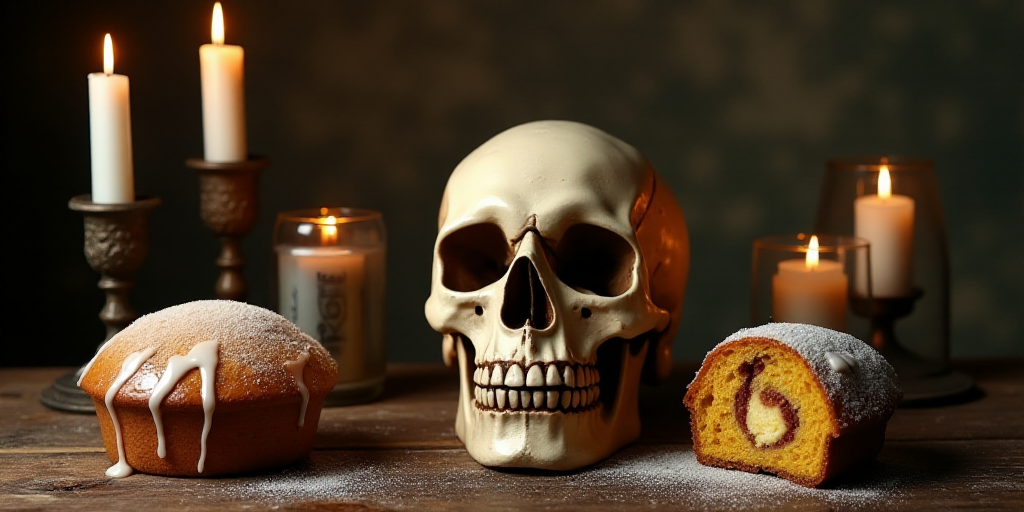
That’s why, in the ofrendas (altars), items cherished by the children are placed, such as toys, candies, photographs, and balloons, along with the traditional marigold (cempasúchil), candles, bread of the dead, and their favorite food.
Allocation of Dates
The distinction between dates (November 1st for children, November 2nd for adults) stems more from the syncretism between Catholicism and indigenous traditions than from a single pre-Hispanic origin.
The Catholic Church had already established November 1st as All Saints’ Day and November 2nd as the Day of the Faithful Departed, and in Mexico, this structure was adapted to incorporate the memory of deceased children on November 1st.
Key Questions and Answers
- What is the Day of the Dead? The Day of the Dead, or Día de Muertos, is a Mexican holiday to honor deceased loved ones.
- Why is November 1st dedicated to children? This date was transformed by Mexican custom from the Catholic All Saints’ Day to welcome the souls of children who return.
- What items are placed on altars for deceased children? Often, toys, candies, photographs, balloons, along with traditional items like marigolds, candles, bread of the dead, and favorite food are included.
- How did the allocation of dates for remembering deceased children come about? This practice stems from the syncretism of Catholicism and indigenous traditions, adapting the existing ecclesiastical calendar to include deceased children.




