
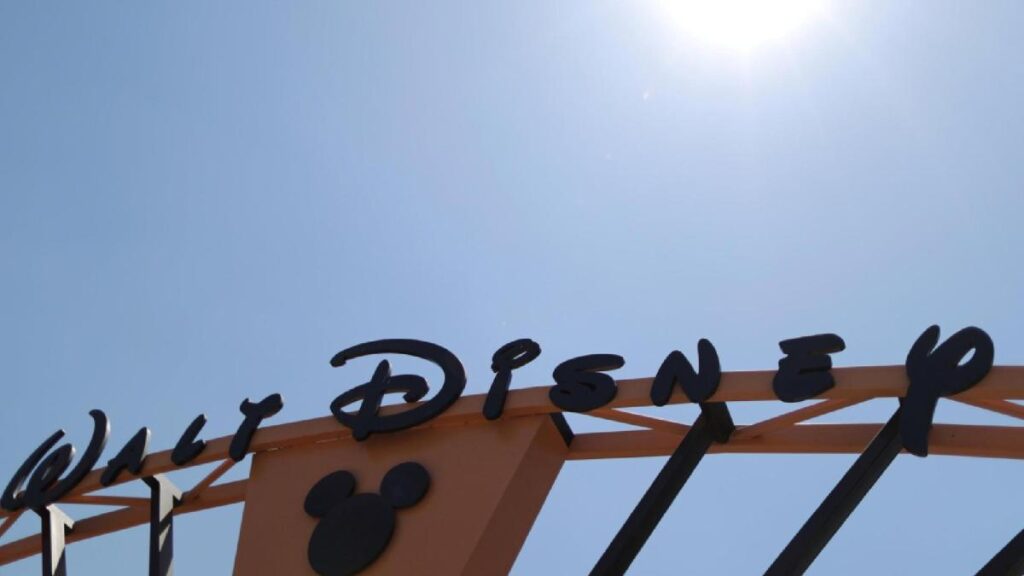
Background on Walt Disney and its Relevance
Walt Disney, a global leader in entertainment and media, has been experiencing a decline in its television business. The company’s stock plummeted 8% following a warning of a potential protracted dispute with YouTube TV over the distribution of its television channels. This news has raised concerns among investors about Disney’s already struggling television division prospects.
Who is Walt Disney?
Walt Disney, founded in 1923 by brothers Walt and Roy Disney, has grown into a multinational mass media and entertainment conglomerate. Known for its diverse portfolio, which includes film studios (Walt Disney Studios, Pixar, Marvel Studios, Lucasfilm), television networks (ABC), streaming services (Disney+, Hulu), and theme parks, Disney has a significant influence on the entertainment industry.
Why is this relevant?
Disney’s television business has been in decline, and the company’s streaming services have become increasingly crucial for its growth. The potential dispute with YouTube TV, a major cable TV provider with approximately 10 million subscribers, could further impact Disney’s revenue and its ability to attract advertisers.
Dispute with YouTube TV and its Impact
- Dispute Details: Disney’s channels disappeared from YouTube TV on October 30, following a disagreement over streaming rights between Alphabet’s YouTube TV and Disney.
- NBCUniversal Similar Situation: NBCUniversal also experienced a similar dispute with YouTube TV this year.
- Financial Implications: Analysts from Morgan Stanley estimate that a 14-day absence from YouTube TV would cost Disney around $60 million in revenue, highlighting the growing influence of YouTube TV and Google’s financial resources in media negotiations.
Financial Performance and Investor Concerns
Disney’s Q4 earnings report revealed that the company fell short of revenue expectations due to weak cable TV performance, despite strong growth in streaming and park businesses. The company’s adjusted earnings per share were $1.11, a 3% decrease from the previous year but exceeding LSEG’s average estimate by 6 cents.
- Theme Park Division: The theme park division’s profits increased due to the expansion of US cruise business and growth in Disneyland Paris.
- Streaming Business: Streaming profits rose by 39% to $352 million, with Disney adding 12.5 million subscribers to Disney+ and Hulu, reaching a total of 196 million.
- Declining Television Division: Traditional television unit profits fell 21% to $391 million, and ESPN’s revenues also decreased.
Dividend Increase and Share Repurchase Plan
In an effort to boost shareholder value, Disney announced plans to increase its dividend by 50% and double its share repurchase program for fiscal year 2026. The board declared a dividend of $1.50 per share, up from $1, and doubled its share repurchase plan to $7 billion.
Key Questions and Answers
- What is the main issue? Disney is preparing for a potentially prolonged dispute with YouTube TV over the distribution of its television channels.
- Why are investors concerned? The dispute could negatively impact Disney’s already struggling television business and its revenue, raising concerns about the company’s future prospects.
- What is Disney’s financial performance? Despite a 3% decrease in adjusted earnings per share, Disney’s theme park and streaming divisions showed growth. However, the company fell short of revenue expectations due to weak cable TV performance.
- What are Disney’s plans to boost shareholder value? Disney announced an increase in its dividend by 50% and a doubling of its share repurchase program for fiscal year 2026.




