
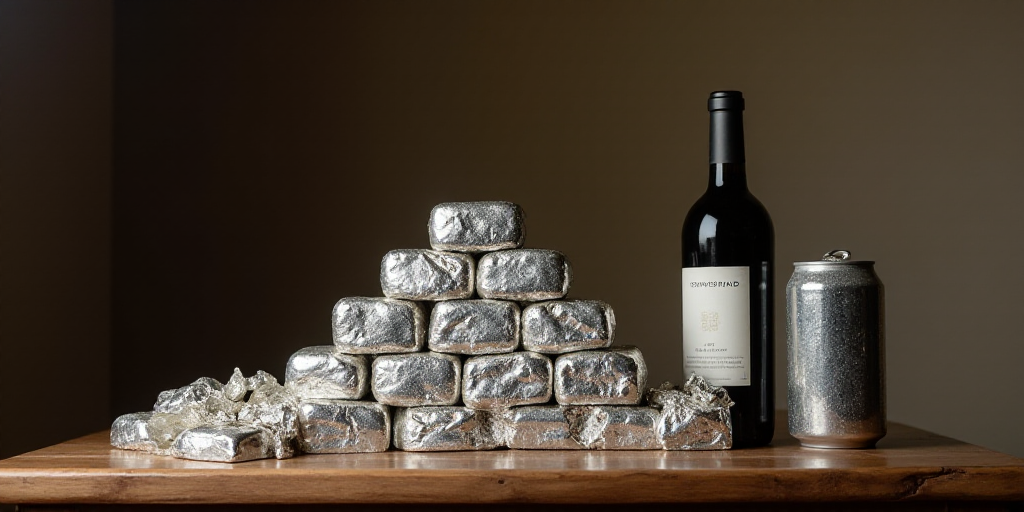
Who is Silver and Why It Matters
Silver, a precious metal like gold, has recently gained significant attention after surpassing $75 per ounce for the first time. This remarkable increase of over 150% in 2023 has outpaced gold’s rise of more than 70%. Silver’s newfound prominence stems from its growing industrial and investment demand, persistent supply shortages, recent designation as a critical mineral for the United States, and a wave of buying activity.
How is Silver Traded?
Physical Silver Market
The primary market for physical silver, including both silver and gold, is located in London. Here, banks and brokers manage buy and sell orders from clients worldwide. Trading occurs bilaterally between financial institutions, requiring investors to establish a relationship with one of these institutions for market access. The market relies on silver bars stored in heavily fortified vaults of major banks such as JPMorgan and HSBC. As of late November 2025, London’s fortified vaults held approximately 27.187 metric tons of silver.
Futures
Silver is also traded on futures exchanges, with the most significant ones being the Shanghai Futures Exchange in China and COMEX of CME Group in New York. Futures are contracts where the seller commits to deliver silver to the buyer at a later date. These futures are typically traded through intermediaries and rarely result in actual metal delivery, allowing both buyers and sellers to speculate on silver prices without the hassle of moving or storing the metal.
An advantage of futures contracts is that the holder does not need to pay for the full value of the silver but instead pays a fraction, known as margin.
Exchange-Traded Funds (ETFs)
Silver ETFs trade alongside stocks on exchanges like the NYSE and LSE. Each share of a fund represents a certain amount of silver stored in a fortified vault. Small investors can easily trade ETF shares through apps like Robinhood. If an ETF’s demand is strong enough to push its price above the underlying silver price, more silver is transferred to the vault for creating new shares, realigning prices.
The largest silver ETF is the iShares Silver Trust, managed by investment firm BlackRock, holding around 529 million ounces of silver valued at approximately $39.0 billion at current prices.
Bars and Coins
Small investors can also purchase silver bars and coins from retailers worldwide.
Silver Mining Companies
Investors can buy shares of companies that extract silver. Similar to ETFs, these stocks are easily traded on platforms like Robinhood. The share prices of these companies generally follow silver price trends, but other factors such as company management, debt levels, and performance also influence their value.
Key Questions and Answers
- What is the primary market for physical silver? The main market for physical silver, including both silver and gold, is located in London.
- What are futures contracts for silver? Futures contracts are agreements where the seller commits to deliver silver to the buyer at a later date. These contracts rarely result in actual metal delivery.
- What are Exchange-Traded Funds (ETFs) for silver? Silver ETFs trade on stock exchanges, with each share representing a certain amount of silver stored in fortified vaults.
- How can small investors participate in the silver market? Small investors can buy silver bars and coins, trade silver ETFs, or invest in silver mining companies.
- How do silver prices and stocks of mining companies relate? Silver prices generally influence the value of mining company stocks, but other factors like management quality and financial health also play a role.




