
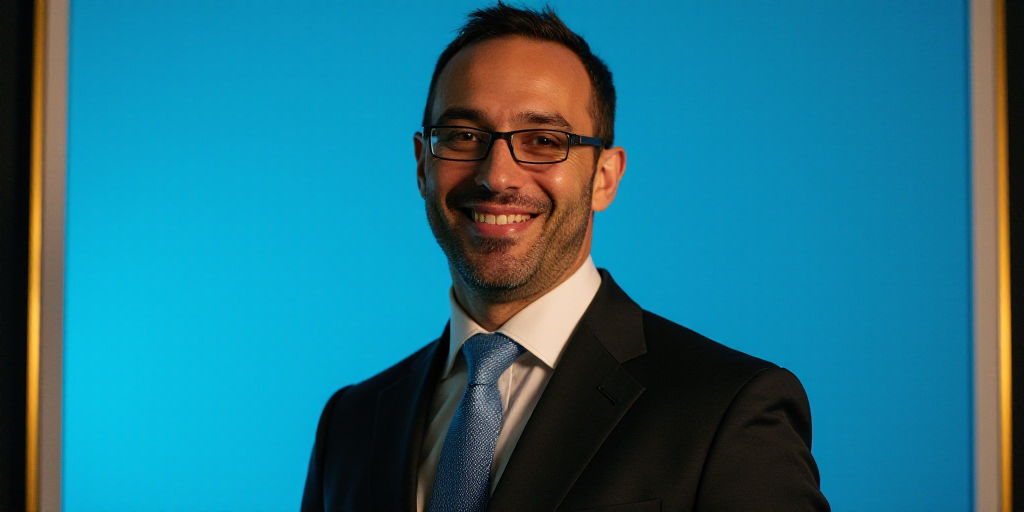
Background on the Federal Reserve Committee and Key Players
In its first meeting of the year, the Federal Reserve Committee decided to keep the interest rate on excess reserves unchanged. The decision was made with ten votes in favor and two against, both from governors appointed by President Donald Trump.
The committee acknowledged that economic activity is expanding at a robust pace, unemployment has stabilized, and inflation remains somewhat elevated.
Key Players: Kevin Warsh
Kevin Warsh, Trump’s designated successor as Federal Reserve president, has been appointed to take over in May, pending Senate confirmation. Warsh served as a Federal Reserve governor from 2006 to 2011, during which he dealt with the 2008 Great Recession. He is a Harvard Law School graduate with extensive experience in financial markets.
Market Reactions and Future Meetings
The markets responded positively to the new Federal Reserve president’s appointment. Gold and silver retreated from their record highs this year, while stocks declined and the US dollar strengthened. Since President Trump did not present Warsh to the press, except referencing his previous speeches, a clearer understanding of Warsh’s views will have to await his Senate confirmation hearings.
Key Questions and Answers
- Who is Kevin Warsh? Kevin Warsh is a former Federal Reserve governor (2006-2011) appointed by President Trump as his successor. He has experience dealing with the 2008 Great Recession and holds a law degree from Harvard.
- What is the significance of the Federal Reserve Committee’s decision? The committee decided to maintain interest rates, reflecting their recognition of a robustly expanding economy, stabilizing unemployment, and somewhat elevated inflation.
- How did the markets react to Warsh’s appointment? Markets responded positively, with gold and silver retreating from record highs, stocks declining, and the US dollar strengthening.
- When will Kevin Warsh take office? Warsh is set to assume the role in May, pending Senate confirmation.




